Arctic warming fuels 2 distinct climate regimes in Siberia that could wake up a methane 'sleeping giant'
New research finds that western Siberia is becoming wetter as the world warms, while eastern Siberia seems to be getting drier. And both these conditions are fueling a rise in methane emissions, spelling trouble for the climate.
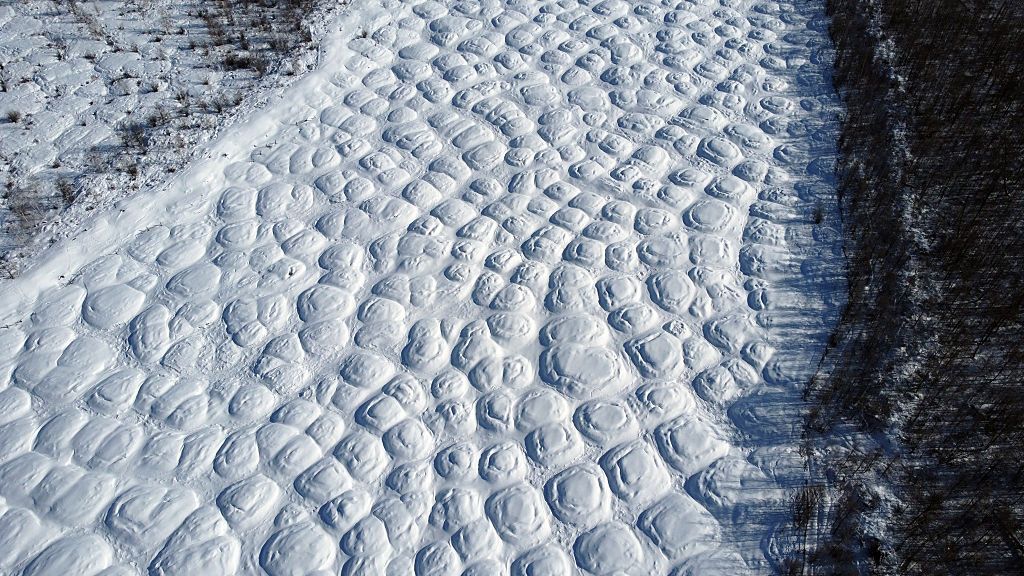
Two distinct climate regimes in Siberia, emerging due to Arctic warming, could trigger runaway methane emissions, according to new research. Western Siberia is becoming wetter, while eastern Siberia is drier and more prone to wildfires. The Yenisei River delineates the separate environmental states, with methane emissions from the region rising by 5% per year between 2010 and 2023.
Western Siberia releases methane through microbial activity in thawing soils, while eastern Siberia discharges it through biomass burning. The study, published in Science, found that annual methane emissions grew by about 13.2 million tons over the study period, mirroring the rate of increase in global wetland emissions. Siberia, which currently accounts for about 5% of global methane emissions, is becoming one of the fastest-growing natural methane sources.
The research, led by Paul Palmer from the University of Edinburgh, used satellite observations and modeling to estimate methane emissions, with uncertainties limited to roughly 10%. Arctic warming amplifies methane emissions through distinct pathways in western and eastern Siberia due to different climate patterns. Western Siberia is influenced by the Scandinavian pattern of atmospheric circulation, which transports warmth and moisture from the North Atlantic, leading to permafrost thaw and microbial methane production.
Eastern Siberia, influenced by the Arctic Oscillation, experiences persistent high-pressure systems that intensify heat waves and promote wildfires, further releasing methane. The study predicts that additional warming could unleash millions of tons of greenhouse gases stored in Siberian forests and permafrost, accelerating the warming trend.
Written by urgent.news from Live Science's reporting — not their text. Machine-written — may contain errors; check the original before relying on it.