Antioch raises $32M to move robot testing into simulation
Simulation software startup Antioch Inc. today announced $32 million in new funding for product development, engineering hires and deeper simulation capabilities aimed at its customers — robotics, autonomy and perception teams. Antioch is going after the way autonomous machines get tested today. Every change to a robot, a drone or an industrial machine still has […] The post Antioch raises $32M…
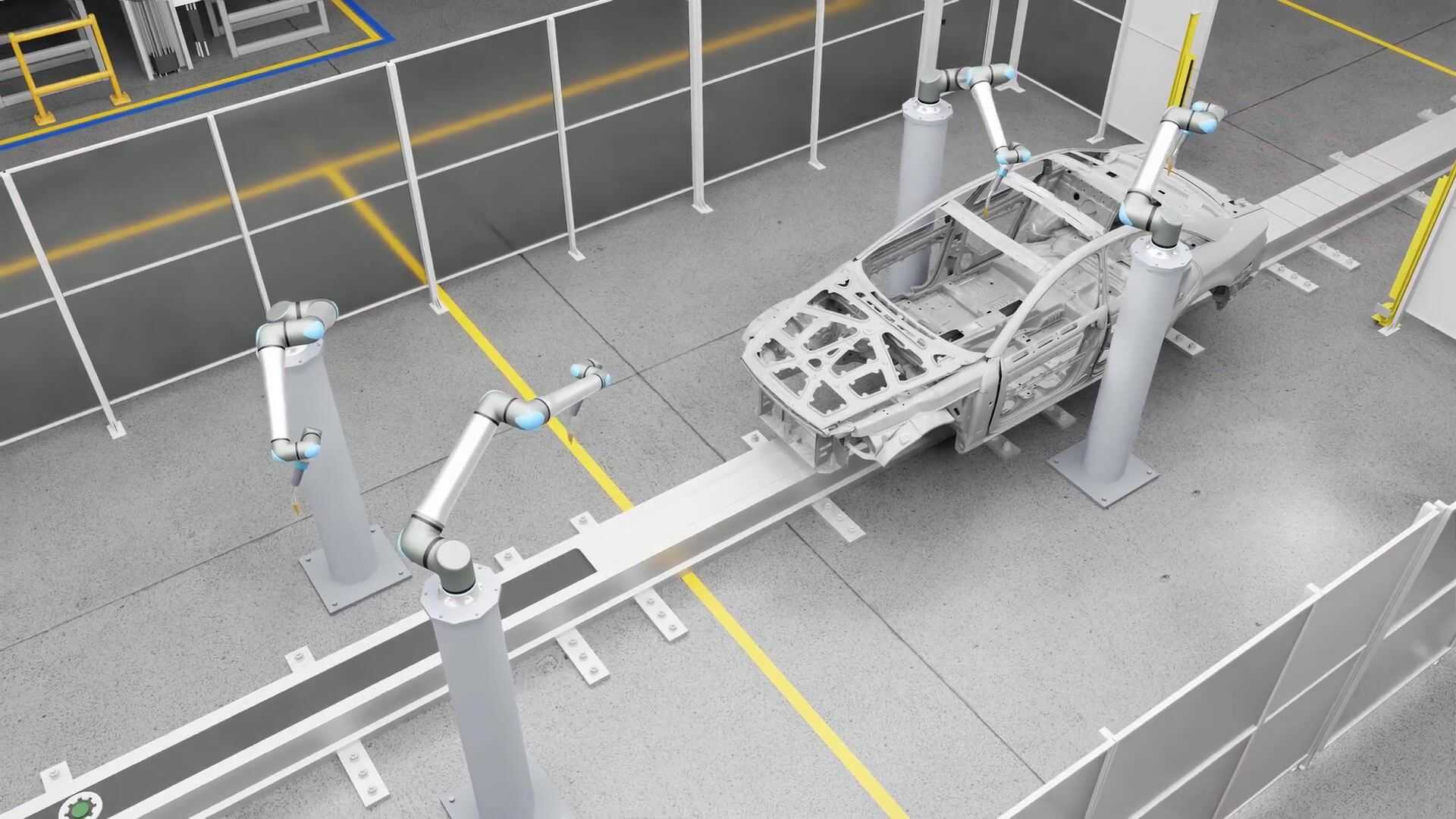
Antioch Inc., a simulation software startup, has secured $32 million in new funding to enhance its capabilities for testing autonomous machines. The company's software calibrates a simulation to a customer's hardware and runs it on cloud infrastructure, allowing a team that could previously afford only one physical experiment to run thousands of simulated evaluations in parallel. This approach enables faster, safer, and more reliable deployment of autonomous systems.
Co-founder and CEO Harry Mellsop emphasized the importance of high-fidelity simulation in testing complex systems, stating that Antioch's software enables a new level of confidence that wasn't previously possible. Notable investors in Antioch include Greylock Partners, A* Capital, Category Ventures, BoxGroup Ventures, and Icehouse Ventures Ltd. Individual backers include Palantir Technologies Inc. Chief Technology Officer Shyam Sankar, Foxglove Inc. CEO Adrian Macneil, and Nvidia executive Ian Andrews.
Antioch's partnerships with Nvidia Corp. and Nebius Group N.V. further strengthen its capabilities. Nebius supplies cloud infrastructure, while Nvidia provides access to its open physical artificial intelligence stack, including Omniverse libraries and robotics frameworks. The startup's co-founders previously worked on Autopilot software at Tesla Inc. and started Antioch in May 2025.
With a $44.75 million investment backing, Antioch is poised to change the way autonomous systems are developed and validated by leveraging simulation technology.
Written by urgent.news from SiliconANGLE's reporting — not their text. Machine-written — may contain errors; check the original before relying on it.