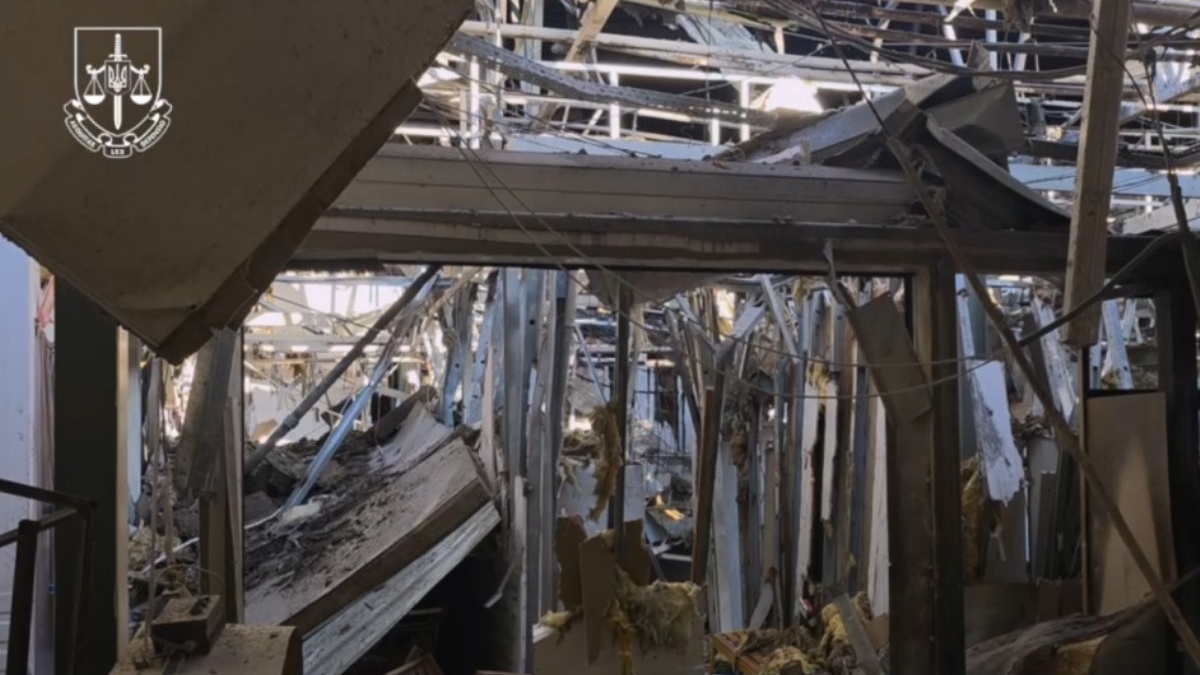
America is losing its war against wildfire
Wildland firefighting is increasingly facing an intractable reality: We’re stuck in a vicious cycle. A doom loop.
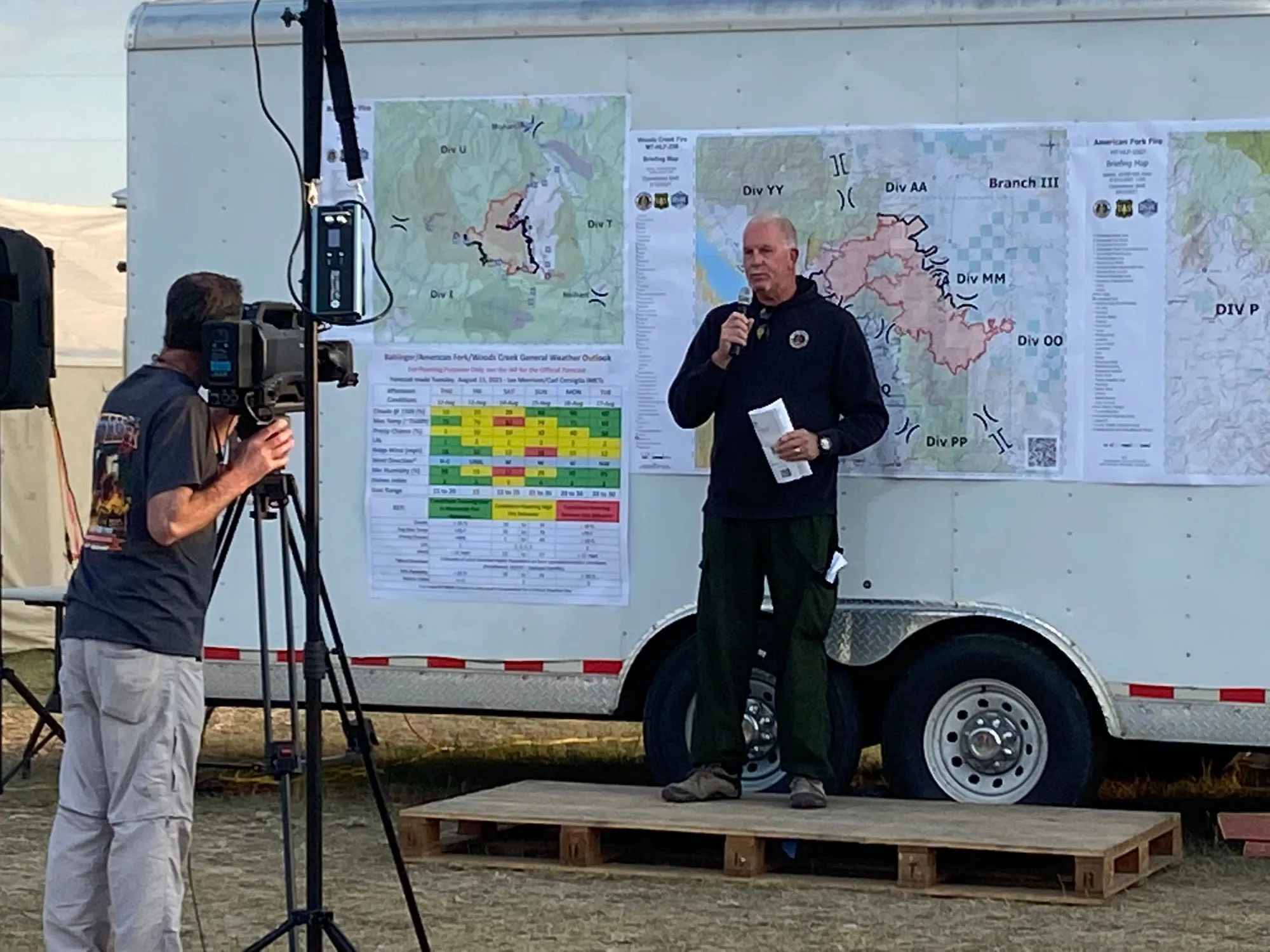
The United States is grappling with an escalating wildfire crisis, leading many to question the effectiveness of traditional firefighting tactics. Dan Dallas, an incident commander for the U.S. Forest Service, has witnessed firsthand the limitations of the "full suppression" approach, which involves aggressively trying to eliminate every fire before it grows out of control.
Dallas noted that even when firefighters are successful in containing a blaze, they are merely "deferring risk" to another location. Instead of extinguishing fires, the strategy ends up leaving behind fuel that could ignite future megafires, which are characterized by their size, severity, and impact.
The government has spent 10 times more on wildfire suppression in the past 30 years compared to the previous decade. In 2026 alone, over 53,000 wildfires have ravaged more than 8 million acres of land – 3 million acres more than the average over the past decade. The current conditions, including a severe drought and record-breaking temperatures, are exacerbating the situation.
The 2013 "Wildland Fire Management Futures" report by the U.S. Forest Service warned that the existing fire suppression approach would fail across various plausible future conditions. Unless the nation changes its strategy, the futures panel concluded, much of the West will eventually transform into grass or shrublands, leading to a significant loss of biodiversity.
Written by urgent.news from Grist's reporting — not their text. Machine-written — may contain errors; check the original before relying on it.