Airports Reopen in Indonesia After Volcanic Eruption of Anak Krakatau
Indonesia reopened all eight airports closed by volcanic ash from Anak Krakatau on Tuesday, Sept. 8, restoring air operations after an eruption disrupted 2,961 flights and affected about 341,000 passengers. Jakarta’s Soekarno-Hatta International Airport resumed operations shortly after midnight, followed by seven other airports in western Indonesia. Authorities tested runways and airport areas…
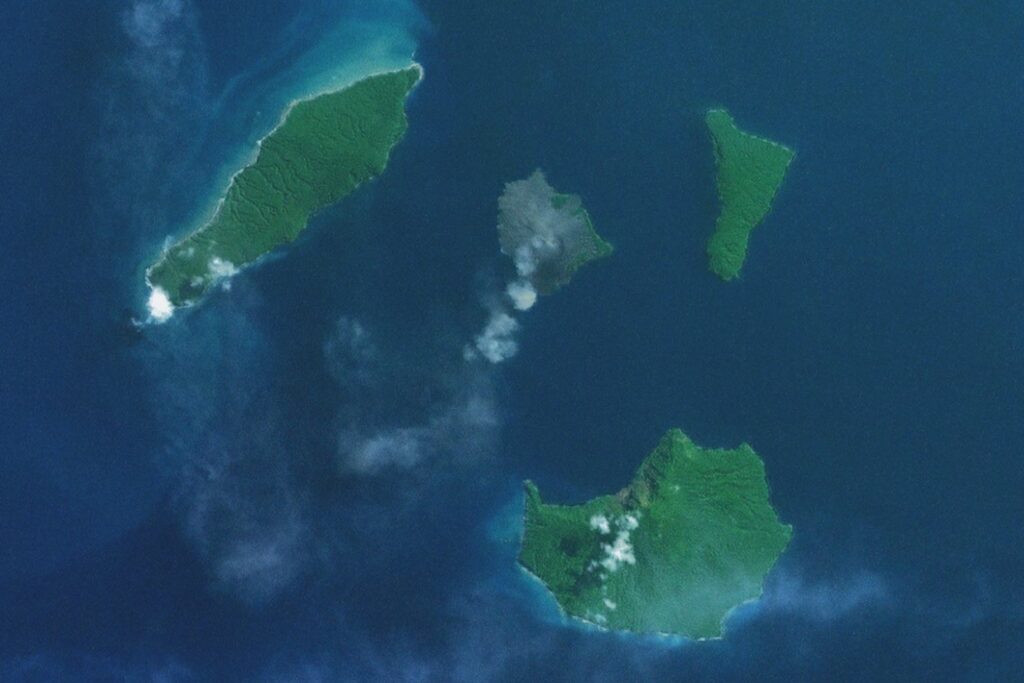
Indonesia has reopened all eight airports that were closed due to volcanic ash from the ongoing eruption of Anak Krakatau, restoring air operations after a disruption that affected 2,961 flights and 341,000 passengers. The airports began operating again on Tuesday, September 8, with Jakarta’s Soekarno-Hatta International Airport resuming flights shortly after midnight. Prior to reopening, authorities tested runways and surrounding areas for volcanic ash, confirming that all airports were free from ash exposure.
The volcanic eruption began on September 4 at 11:07 p.m. local time, with continuous activity lasting around 25 hours before ceasing at 12:04 a.m. on September 5. The eruption sent ash into the atmosphere over parts of Java and Sumatra, posing a hazard to aircraft engines and leading to the closure of eight airports, including Soekarno-Hatta, the country’s main international gateway. This disruption involved 2,339 domestic and 622 international flights.
Airlines still face inspections of aircraft affected by the ash, as about 178 planes were grounded at Soekarno-Hatta during the closure and required checks before returning to service. The volcanic ash initially halted air traffic across western Indonesia, but winds shifted, causing the ash to reach up to 7,000 feet and move south-southwest at 5 to 10 knots. Indonesia's meteorological agency used ground tests, satellite imagery, and aviation weather data to ensure that the airports were safe for resumed operations.
Anak Krakatau, located between Java and Sumatra in the Indonesian province of Lampung, has continued to show activity following the main eruption. The Geological Agency has maintained the volcano at Level III, the second-highest alert level, with an exclusion zone of 3 kilometers around its active center. Authorities continue to monitor the potential for additional eruptions, including the possibility of incandescent material, heavy ashfall, and lava flows.
While there has been no tsunami associated with the current eruption, monitoring stations along the Sunda Strait have detected no significant sea-level anomalies linked to the activity.
Written by urgent.news from Colombia One's reporting — not their text. Machine-written — may contain errors; check the original before relying on it.