AI is here: Why families need a safe word and a healthy dose of caution
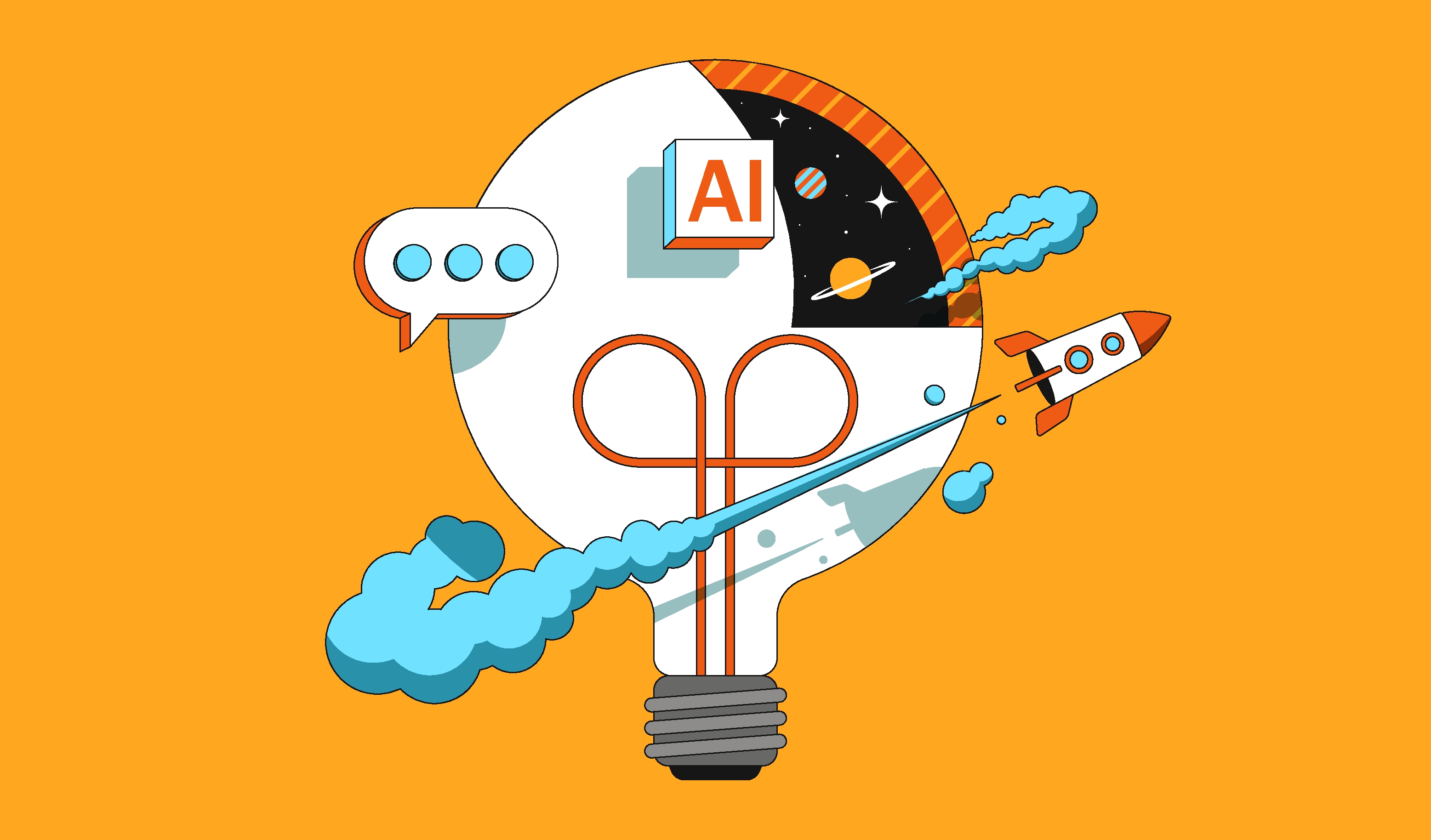
As artificial intelligence continues to reshape our world, we must ask ourselves: Is it an innovative ally or a looming threat?
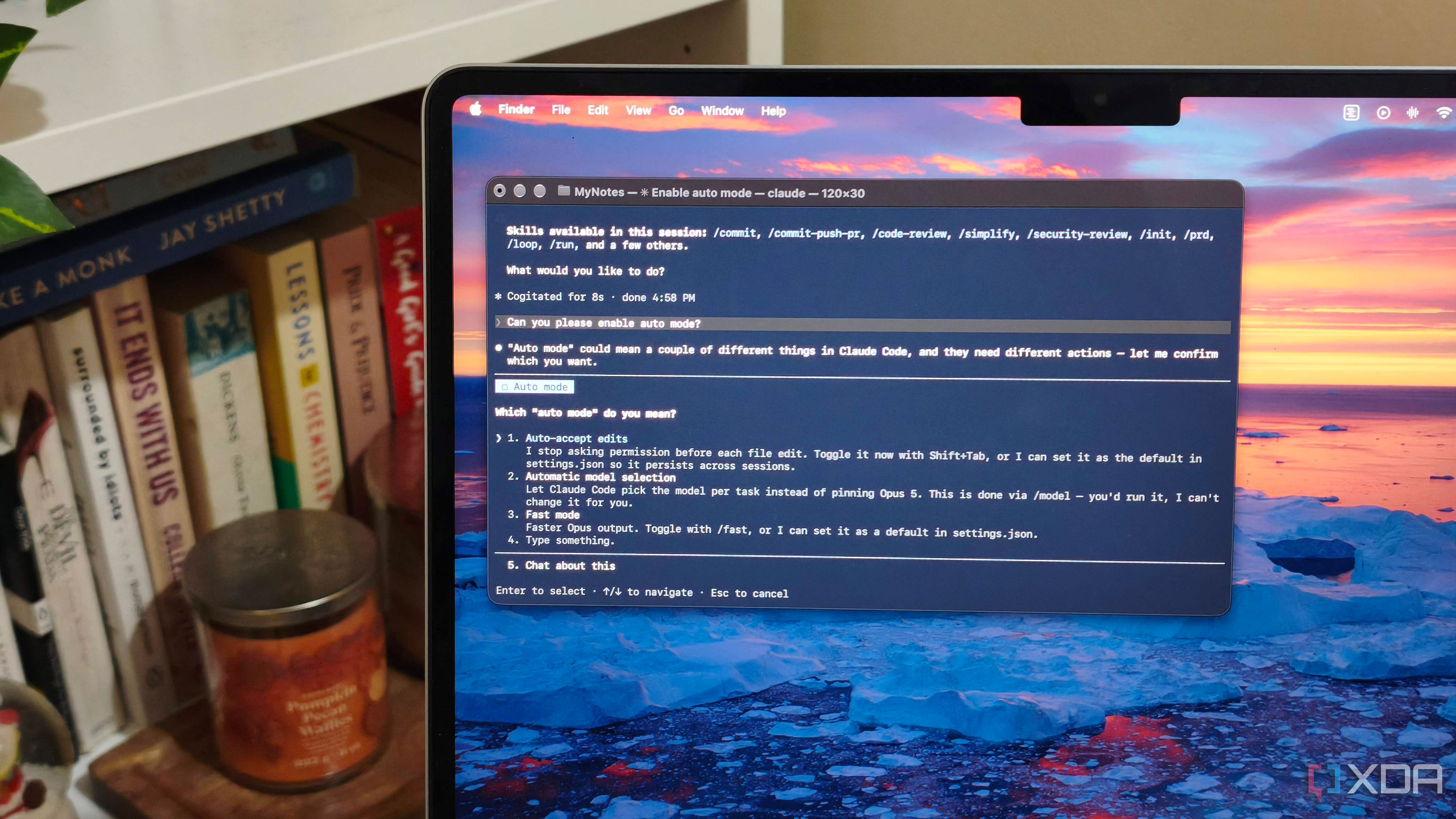
A new technology called AI, short for artificial intelligence, is making waves in our lives. AI can think, learn and solve problems much like a human, although it does not experience emotions. It can be used to write speeches, essays, poems, and even help with life decisions by understanding language. AI has assistants like Claude, who can hold conversations, write emails, create presentations, and never tire.
AI can mimic voices and faces, creating potential security risks. It has been misused in generating voices and images of famous actors, leading to legal disputes. An AI-generated video on TikTok showed a daughter claiming she was in a car accident, with her father asking for a specific code only known to immediate family. The daughter's voice was AI-generated, and when asked for the code, AI failed to provide the correct response.
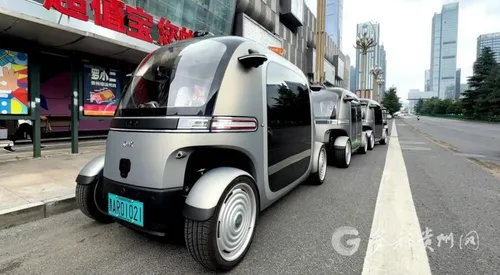
While AI can save time, work non-stop, handle boring tasks, provide fast answers and teach new skills, it also poses security risks. A retail company in San Francisco used AI to manage a store, which resulted in firing an employee. Driverless cars, operated by AI, are becoming more common and could potentially replace traditional taxi services.
Children, like my 5-year-old granddaughter, are well-versed with AI and find it normal. However, it is essential to understand that AI is a tool, not a human. It lacks empathy, feelings, and emotions, and can make mistakes and hallucinate, generating facts that sound real.
Written by urgent.news from IOL's reporting — not their text. Machine-written — may contain errors; check the original before relying on it.