60 years on, global literacy reaches 88%; but 739 million still can’t read
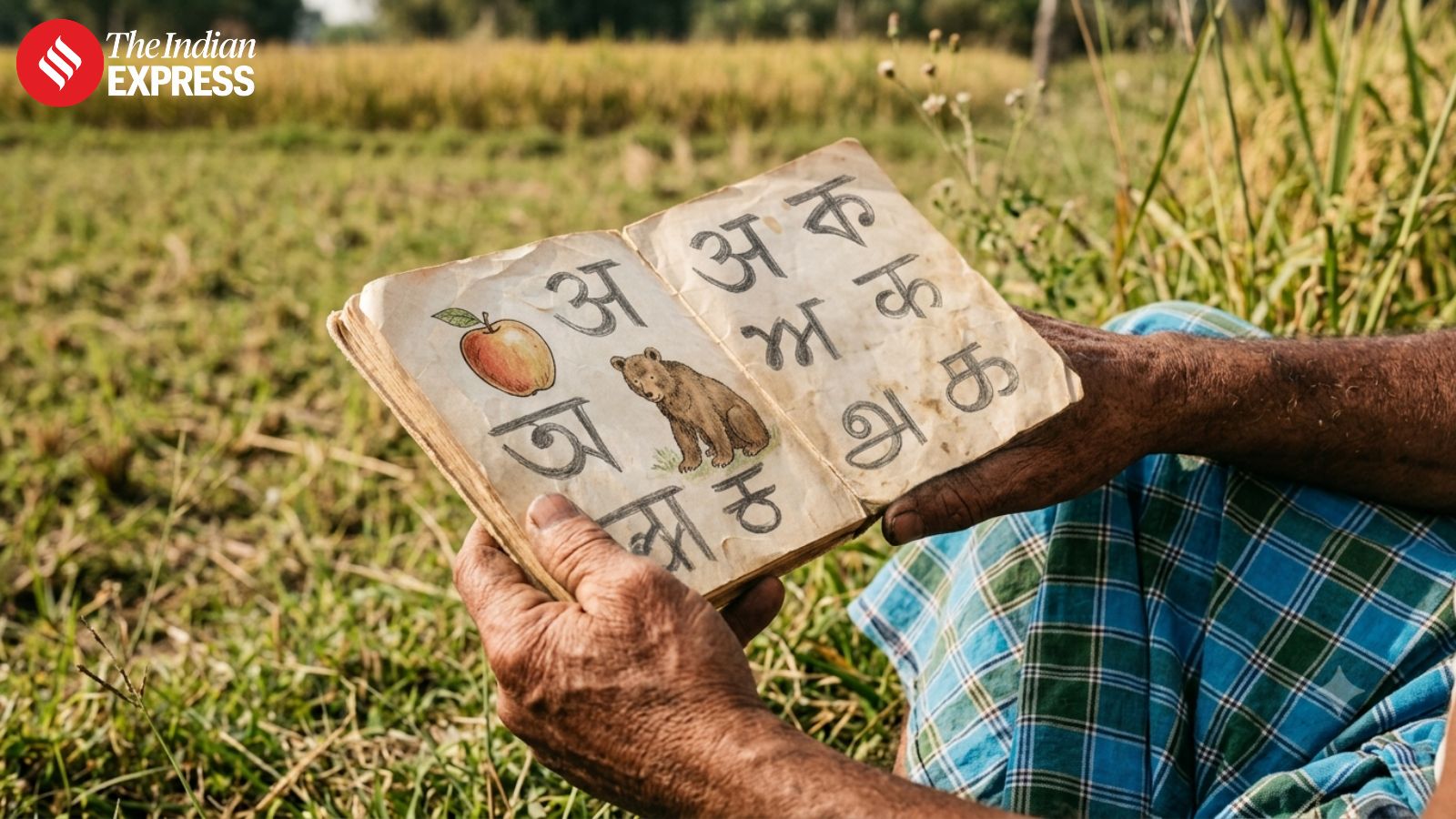
Sixty years after UNESCO first declared International Literacy Day on September 8, 1967, the world has made remarkable strides in literacy. In 1950, approximately 56% of adults were literate, and by 1980, that figure climbed to around 70%. However, today, at least 739 million adults still lack basic literacy skills, highlighting the unfinished task. This year's theme, "Literacy for people, the planet and prosperity," emphasizes literacy's role in inclusion, sustainable development, and economic opportunity.
The latest data from the UNESCO Institute for Statistics reveal that the global adult literacy rate stands at about 88%, while 93% of young people aged 15 to 24 are literate. However, literacy rates vary significantly by region. Europe and North America boast an impressive 98.7% adult literacy rate, while Central and Southern Asia lag behind at 76.5%. Sub-Saharan Africa presents another challenge, with an adult literacy rate of 68.5%, despite an increase from 59% in 1995-2004 to 2015-2024.
Gender disparities persist, with almost two-thirds of the estimated 739 million adults lacking basic literacy being women. This underscores that literacy is more than just the ability to read and write; it's also about inclusion, quality education, and addressing socioeconomic factors like poverty and gender. UNESCO's ongoing efforts aim to expand and make literacy meaningful for the world's most disadvantaged populations.
Written by urgent.news from The Indian Express's reporting — not their text. Machine-written — may contain errors; check the original before relying on it.