5 000 more healthcare workers needed to tackle Ebola in DRC, WHO says
Congo's Ebola outbreak has spread across six provinces, placing severe strain on treatment centres and frontline healthcare staff.
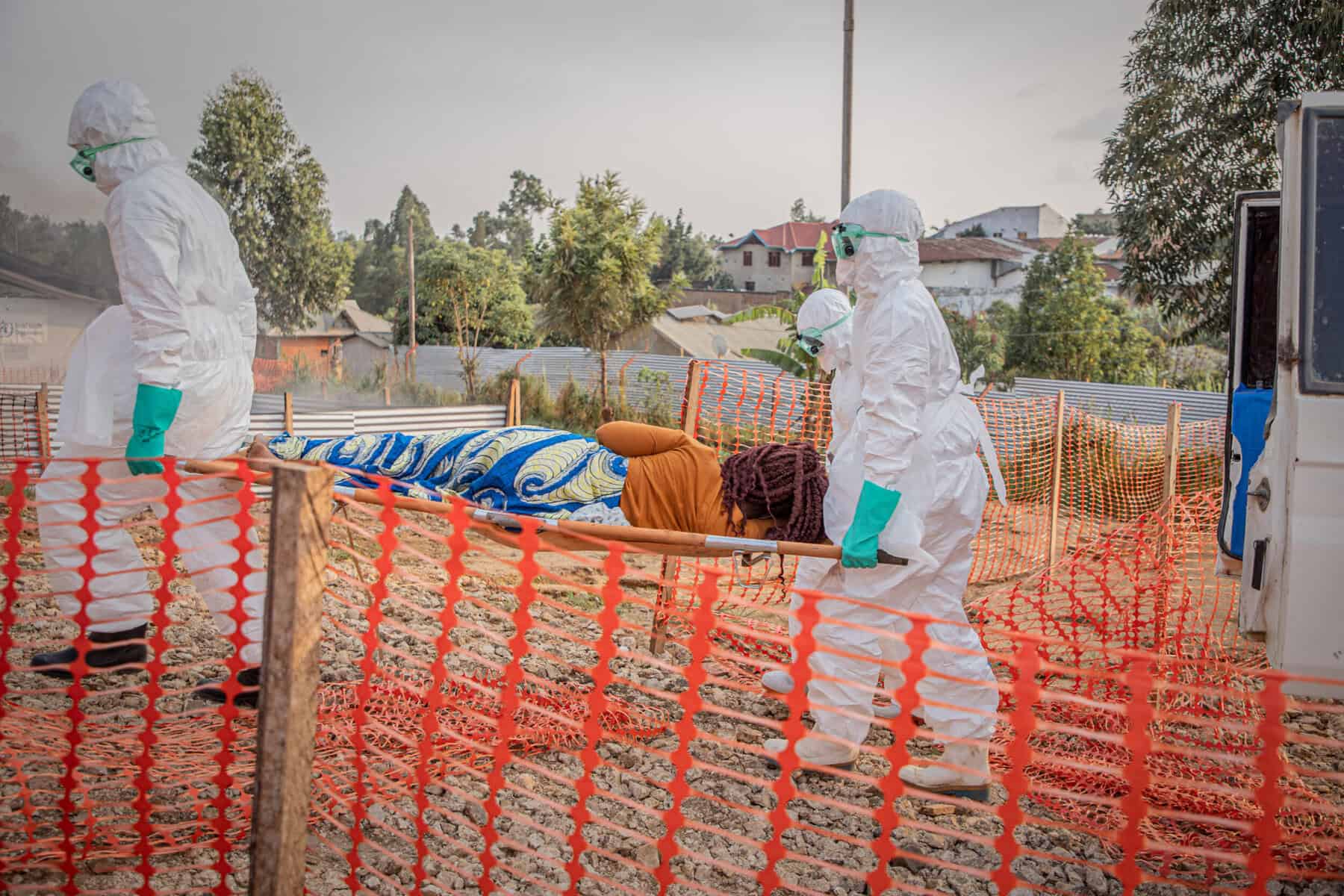
The World Health Organization (WHO) has called for 5,000 additional healthcare workers to assist in combating the Ebola virus outbreak in the Democratic Republic of Congo (DRC). The outbreak, first identified in mid-May, has expanded to six provinces in the east and northeast regions of the conflict-ridden country. As of May 15, the virus has resulted in 3,175 deaths among over 6,600 confirmed cases, according to official Congolese data reported by the WHO.
The Ebola virus spreads through contact with bodily fluids and can lead to fatal internal and external bleeding and organ failure. The WHO aims to establish 3,000 beds for patients in Ebola treatment centers across the DRC. Given that three medical staff members are required per patient, this objective necessitates the training of 9,000 healthcare workers.
Senior technical official Luca Fontana of the United Nations' health agency stated that while over 900 beds have been constructed within the first two months of the response, an additional 1,400 beds have been set up across 59 treatment centers. However, an estimated 1,600 more beds will be required to keep up with the rapidly increasing demand.
Currently, nearly 4,000 healthcare workers are actively working in treatment centers, indicating the urgent need for 5,000 more personnel.
Fontana emphasized that the Congolese health ministry is actively seeking qualified medical professionals from other regions to supplement the workforce in the affected provinces. The challenge lies in identifying these individuals swiftly enough to meet the growing demand. Each fully staffed and functional treatment center saves lives and enhances the chances of controlling the outbreak.
The current Ebola epidemic is attributed to the Bundibugyo strain, which has no approved vaccine or treatment as of yet. Ongoing research is exploring various treatments and vaccines. The outbreak has primarily affected areas in the north and east of the DRC, where the state's presence is weak, health infrastructure is inadequate, and armed groups have operated for decades.
The strain's limited containment options exacerbate the difficulties faced by healthcare workers in managing the outbreak. Fontana highlighted that while initial patients were admitted to treatment centers primarily from Bunia, the capital of Ituri province, sick individuals are now arriving from villages far removed from the epicenter.
This shift signifies the outbreak's spread, necessitating an adapted response from the WHO. Historically, Ebola has claimed over 15,000 lives in Africa over the past 50 years, with the previous worst outbreak in the DRC during 2018-2020, resulting in nearly 2,300 reported infections and fatalities.
Written by urgent.news from The Citizen's reporting — not their text. Machine-written — may contain errors; check the original before relying on it.
This story
This is one outlet's version. Read the fullest account.