1 in 4 building fires now linked to solar: here’s how to reduce the risk
As solar systems age, components need maintenance and replacement.
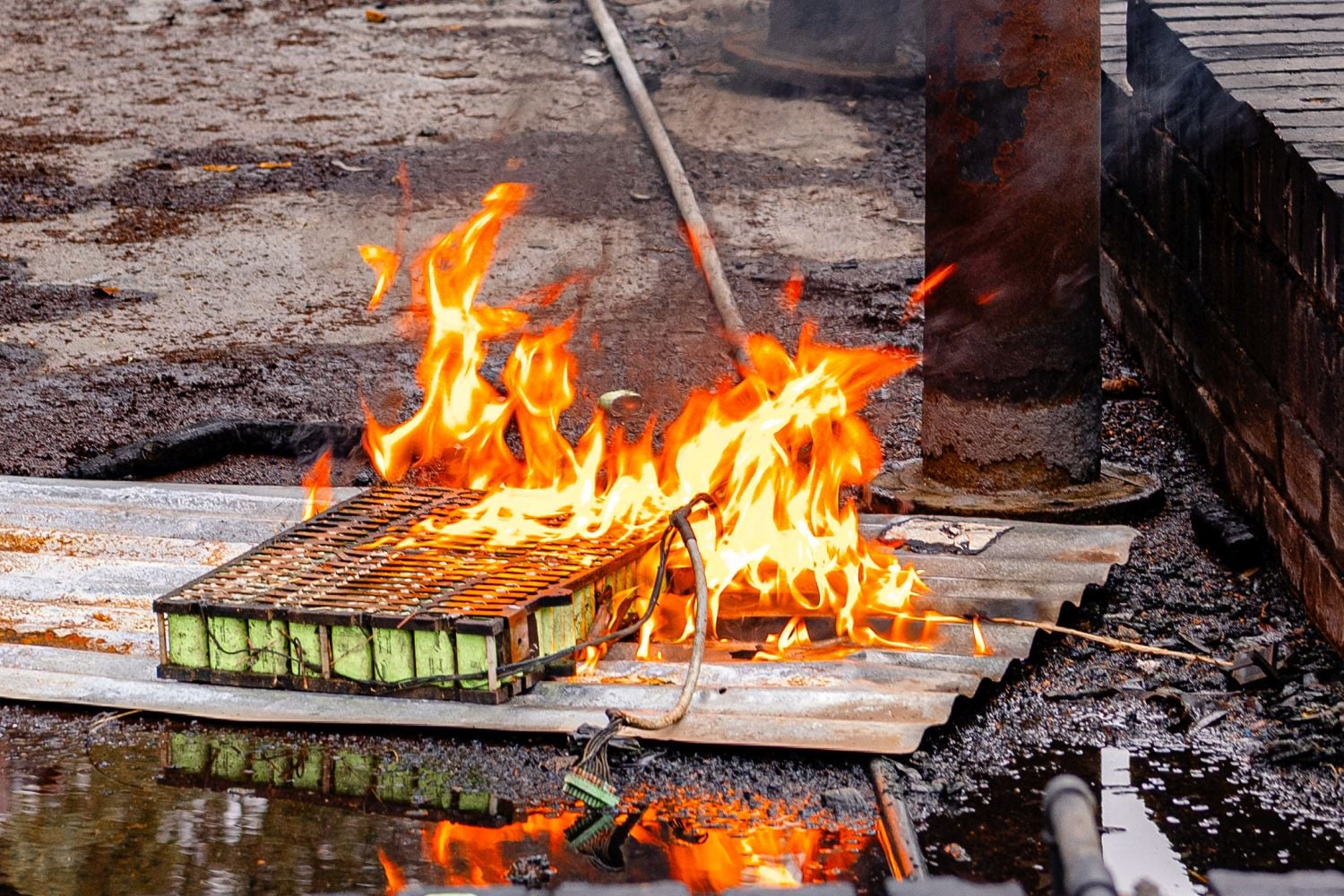
In South Africa, the number of building fires linked to solar power systems is rising, with one in four fires now attributed to solar-related equipment. This trend underscores the need for proper installation, regular maintenance, and strict safety measures. Experts warn that cutting corners during solar system installation could lead to more severe consequences.
The data comes from Fire Force, a collaboration between Discovery Insure and private firefighting and rescue service Fire Ops SA. Lithium-ion battery modules, containing around 180 cells, pose a significant risk. Should one cell overheat and enter thermal runaway, the heat can rapidly spread to neighboring cells, causing a fire to engulf the battery.
Saip Hossain, Head of Technical Marketing at Discovery Insure, emphasized that solar systems aren't "set it and forget it" installations. As these systems age, their components require maintenance and replacement to minimize fire risks. Discovery Insure and Fire Ops SA recently conducted a live demonstration in Modderfontein, Gauteng, illustrating the consequences of a lithium-ion battery experiencing thermal runaway, a rapid and uncontrollable temperature increase that can result in an intense fire.
De Wet Engelbrecht, CEO and Deputy Fire Chief of Fire Ops SA, reported a notable surge in solar-related structural fires over the past few years, with a quarter of these incidents linked to solar systems. Fires can originate from various points within a solar system, including aging or malfunctioning batteries, faulty inverters, loose or deteriorating wiring and connections, and subpar installation practices.
As lithium-ion batteries deteriorate, the risk of fires escalates, necessitating specialized protocols for extinguishing these fires.
Early smoke detection can provide crucial early warning, enabling occupants to evacuate safely and allowing professional firefighters to respond promptly. However, lithium-ion battery fires are particularly challenging to control. They generate intense heat, toxic gases, and are prone to reigniting even after seemingly contained. Expertise and specialized equipment are essential to manage these fires.
Engelbrecht stressed that homeowners should avoid attempting to tackle lithium-ion battery fires themselves. These incidents demand specialist knowledge and equipment, with the primary focus being on evacuating safely and seeking professional assistance as swiftly as possible. The first 15 to 20 minutes are critical; they can dictate whether the fire is contained or spreads, potentially affecting other areas like the roof and adding more combustible materials to the blaze.
To mitigate the risk of solar-related fires, homeowners should prioritize two key aspects: preventing fires from igniting and ensuring rapid detection if a fire occurs. First, engage qualified installers and electricians with recognized credentials and ensure a valid electrical Certificate of Compliance is obtained post-installation.
Regular inspections and servicing of the solar system, including its wiring, connections, batteries, and inverter, should occur at least annually. Any warning signs such as swelling batteries, excessive heat, unusual odors or noises, error messages, or unexplained system faults should be addressed by a qualified professional.
When selecting the installation location, proper ventilation is essential for batteries and inverters, and they should be kept away from vehicles, fuel, and other flammable materials. A qualified installer should advise on the safest location for the specific system. Lastly, batteries, inverters, and other components have limited lifespans, so homeowners should adhere to the manufacturer's recommendations for maintenance and replacement, replacing batteries before their end-of-life and promptly replacing them if swelling is observed.
Written by urgent.news from The Citizen's reporting — not their text. Machine-written — may contain errors; check the original before relying on it.