Your food may be safe. Its packaging is another story.
This story was originally published by Inside Climate News and is reproduced here as part of the Climate Desk collaboration. Most people decide if it’s safe to eat an old tub of yogurt in the fridge or canned tuna in the back of the cupboard by checking its sell-by date. But no label indicates that […]
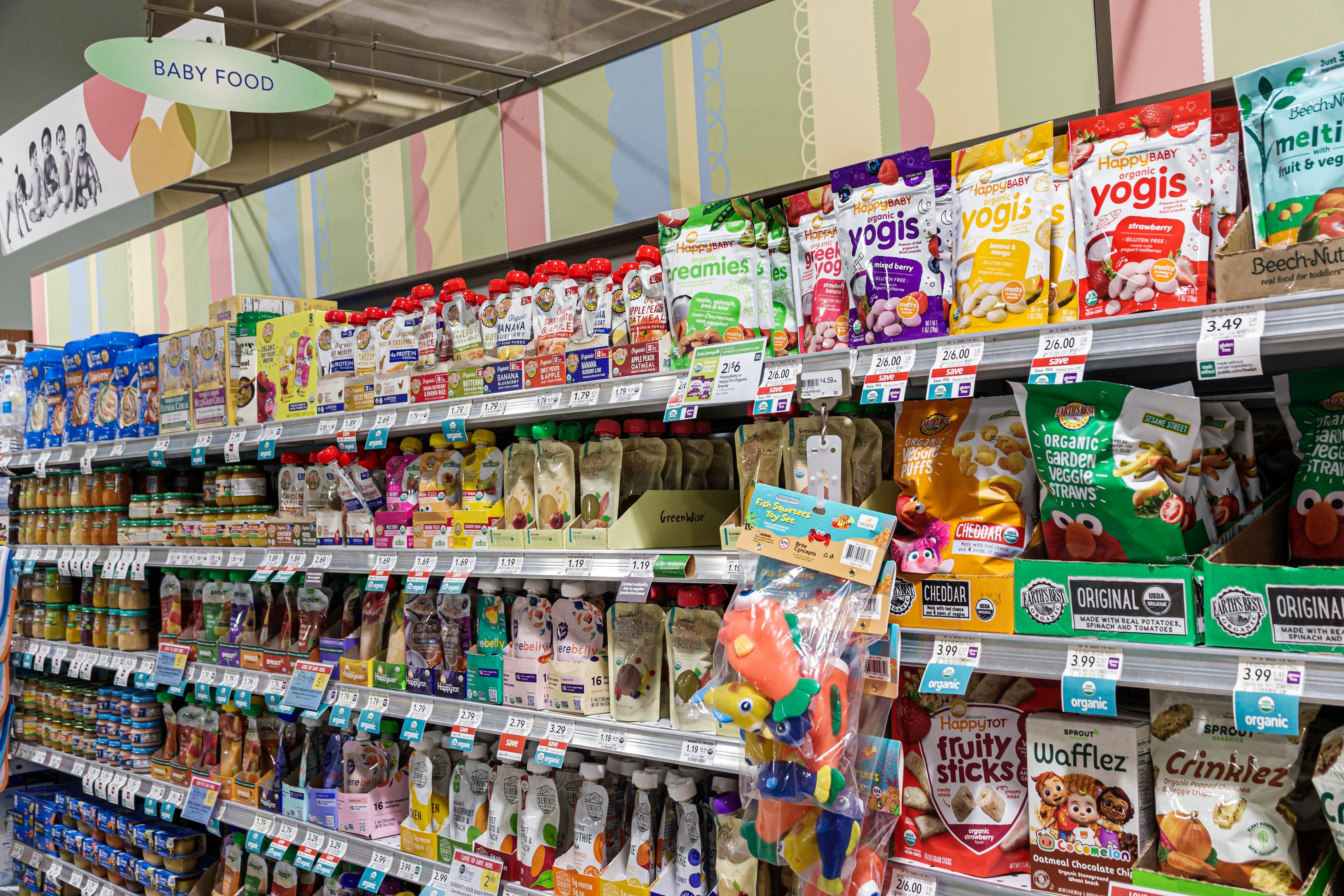
Most consumers determine whether a tub of yogurt or a can of tuna is safe to eat by checking its expiration date. However, no label indicates that chemicals such as pesticides, phthalates, PFAS, and other hazardous substances could be seeping from the packaging into the food. A recent peer-reviewed study analyzed over 15,000 chemicals that come into contact with food and found that 1,222 pose serious health risks, including cancer and reproductive harm.
The majority of these chemicals—87 percent—lack enough accessible information to estimate their risks.
Jane Muncke, a co-author of the study and managing director at the Food Packaging Forum Foundation, emphasizes that the lack of publicly available information on the safety of chemicals that can contaminate food is "the elephant in the room." She notes that consumers generally trust that regulators have conducted safety testing before allowing chemicals to be used in products like food packaging. However, the study reveals that this is not the case, and it raises concerns about the adequacy of current regulations.
Maricel Maffini, an independent chemical safety and regulation expert, agrees with Muncke's assessment. While the study focused on chemicals that are widely accepted by industry and regulators as reliable, she believes there is much more information missing that could raise further concerns. In previous work, Muncke and her team identified over 15,000 chemicals used in food processing or packaging from various sources, including government lists and studies.
To prioritize the analysis, the researchers analyzed this extensive list to identify the most problematic chemicals. They ranked the 1,222 chemicals into four tiers based on the available evidence of human exposure from food-contact materials. Tier 1, consisting of the highest priority chemicals, includes PFAS "forever chemicals," styrene, phthalates, and bisphenol A. These chemicals have been found to leach into food and detected in human samples, such as breast milk and blood.
The study highlights the need for regulatory changes to protect consumers from harmful chemicals in food-contact materials. Muncke suggests that regulators should introduce a "mixture allocation factor" to account for the combined effects of multiple chemicals in a single exposure. Chemicals should be regulated in groups, and if sufficient evidence suggests that individual chemicals in a group are hazardous, all members of that group should be phased out of the market or not approved until proven safe.
Additionally, Muncke calls for modifying rules for material safety to ensure that any leaching chemicals are safe under different use conditions. She also recommends expanding screening of toxicity to include chronic disease outcomes like diabetes, infertility, and harm to the immune and nervous systems. Finally, the study emphasizes the importance of determining if inert materials, such as glass or stainless steel, can leach into food. If they do not leach, they should not be a priority for in-depth chemical analysis.
Written by urgent.news from Vox's reporting — not their text. Machine-written — may contain errors; check the original before relying on it.