UN warns wildfires, heatwaves threaten air quality and health
Wildfires and heatwaves are posing a growing threat to air quality and public health, with toxic smoke and microscopic pollutants potentially undermining efforts to tackle air pollution and climate change, the World Meteorological Organization (WMO) said
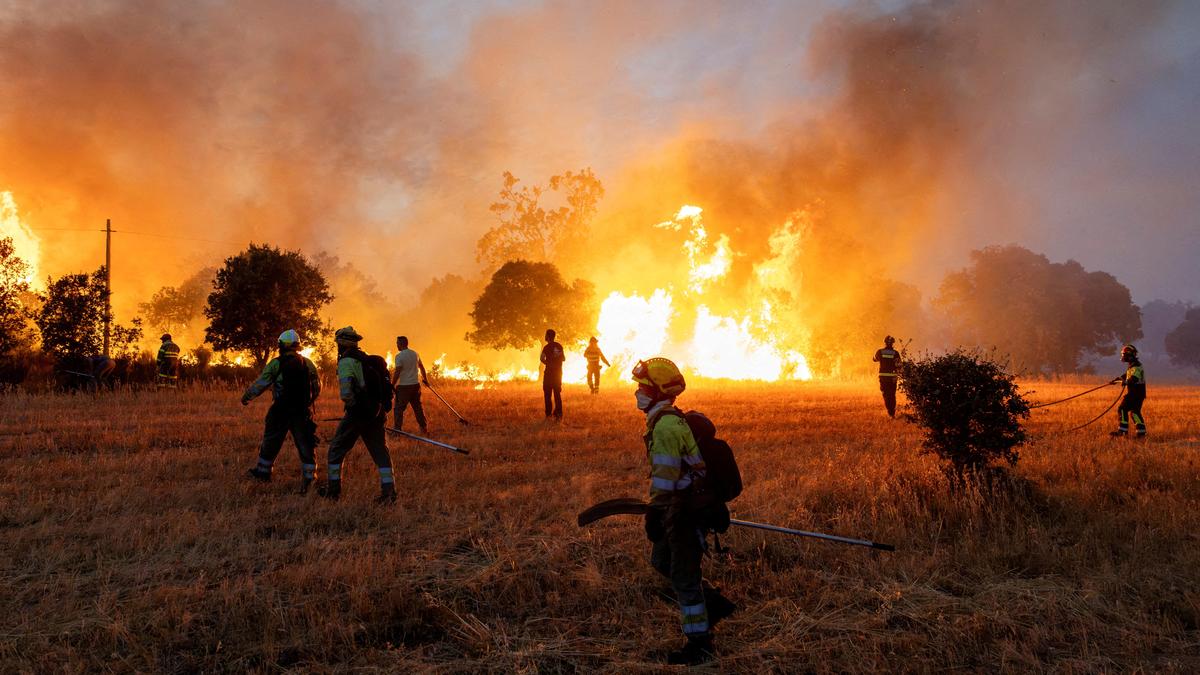
Wildfires and heatwaves are putting international air quality and health efforts at risk, warns the World Meteorological Organization (WMO). The UN weather and climate agency highlights the connection between air pollution and climate change, which leads to more frequent and intense heatwaves and wildfires. Extreme wildfires are growing more common, causing significant health issues due to the highly toxic smoke they produce.
Regulations in Europe and North America have reduced certain types of particulate matter, but exposure to smoke from fires has increased. Particles known as PM2.5 can penetrate deeply into the lungs and bloodstream, causing harm.
The WMO urges for improved monitoring of various air pollutants, such as aerosol particles, black carbon, microplastics, and ground-level ozone. These substances are not being monitored adequately, despite their potential to harm ecosystems. Experts from the Global Atmosphere Watch network explain that wildfire smoke is far more dangerous than emissions from vehicles, as the microparticles are carried by the wind and can negatively impact both people and wildlife far from the fire's immediate vicinity.
The WMO emphasizes that air quality and climate change cannot be addressed separately. In areas with powerful wildfires, fine particle pollution is often found. These microparticles can travel great distances via wind, affecting health far from the fire's location. Conventional risk models may underestimate mortality caused by wildfire smoke by up to 93 percent.
A study cited by the WMO Bulletin states that extreme fire-smoke events have tripled globally since the 1990s, leading to nearly 100,000 additional deaths per year between 2010 and 2018, though this figure may be an underestimate.
Additionally, ground-level ozone, which intensifies during heatwaves, poses a serious health risk. Increased exposure to ozone pollution could result in tens of thousands of premature deaths, primarily due to respiratory diseases. Another growing concern is aerosol particles, which can travel to oceans and continents far from their origin and alter atmospheric processes. The report highlights the importance of monitoring the airborne transport of microplastics as plastic production and mismanaged waste continue to rise.
Written by urgent.news from Gulf News's reporting — not their text. Machine-written — may contain errors; check the original before relying on it.
This story
This is one outlet's version. Read the fullest account.