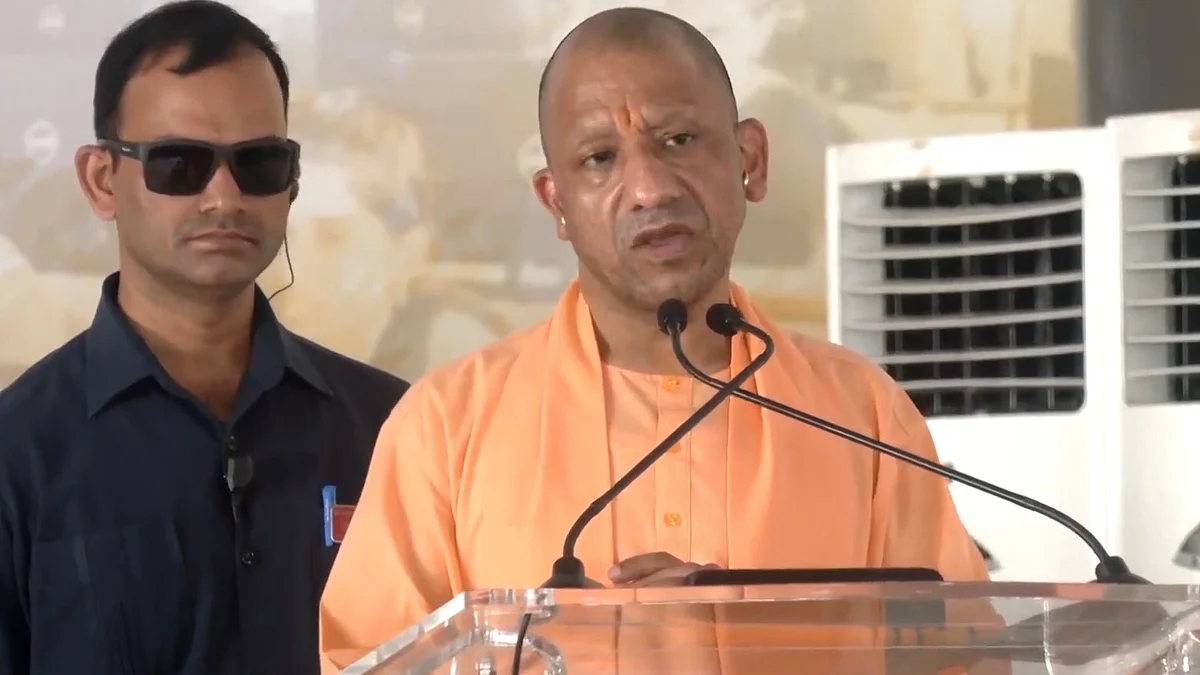
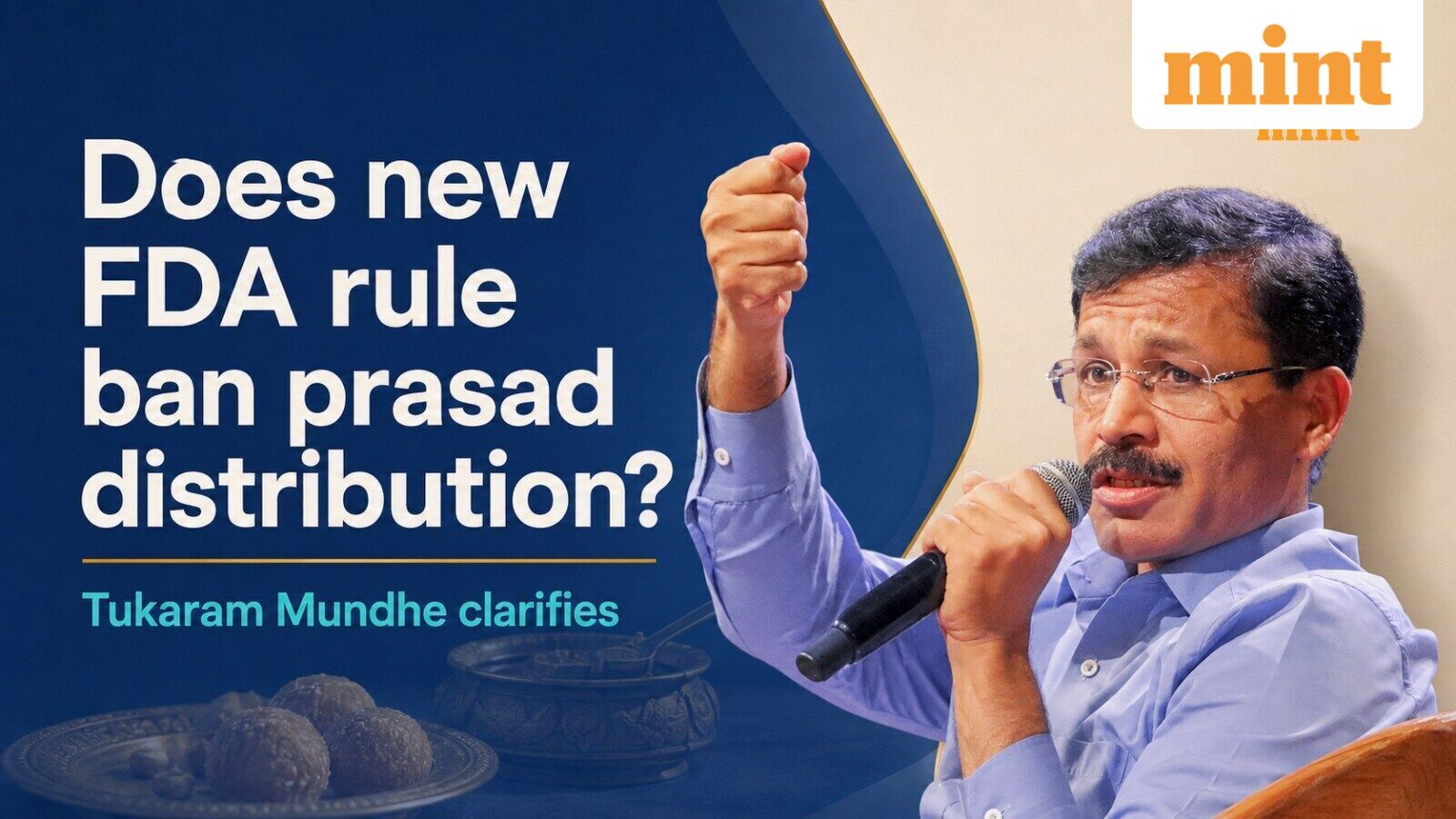
Tukaram Mundhe clarifies his new order - Maharashtra FDA chief explains his food safety directive
The FDA's directive aims to prevent illness by ensuring food safety during festivals, without regulating celebrations. It maintains longstanding food safety laws and applies uniformly across all communities and traditions, FDA chief Tukaram Mundhe said.
After months of relentless scrutiny, Maharashtra's Food and Drug Administration (FDA) has unveiled a comprehensive "Festival Enforcement Calendar" to systematically target food adulteration during religious and festive occasions throughout the state. This groundbreaking initiative marks the first of its kind in Maharashtra, allocating specific measures and checkpoints based on festival scale and geographical reach.
The FDA's enforcement plan groups festivals into three tiers, outlining detailed guidelines for each, including the foods to be inspected, potential adulterants, sampling procedures, and enforcement actions. The regulatory body's cycle commences 21 days prior to the festival and spans up to 30 days post-celebration.
Pre-festival preparations commence with the identification of risk areas, intelligence gathering, squad formation, and ensuring the availability of testing kits, reagents, and lab capacity. A mere 14 days before the event, FDA officers will undergo inspections of manufacturing units, mills, markets, cold storage facilities, godowns, and wholesale markets, extending to night and early-morning transportation checks.
During the festival, FDA officials will maintain vigilance, conducting market surveillance, inspections, and on-the-spot testing. Post-festival, they will review laboratory reports, initiate prosecutions, and manage the disposal of seized food items. The FDA has categorized 11 high-risk food categories, such as milk and dairy products, meat, sweets, fasting foods, edible oil, fruits, dry fruits, gram flour, water and ice, bakery products, e-commerce-sold food, and imported food.
Special attention will be paid to fasting foods like bhagar, kuttu, singhada flour, sago, and rajgira, which will undergo mycotoxin testing. Milk and dairy products will be scrutinized during their early-morning movement, while meat outlets, cold chains, and slaughterhouses will face intensified inspections during Eid. Frying oil will be tested for total polar compounds (TPC) both before and during major festivals, with any exceeding a 25% TPC threshold facing destruction.
Sweet shops will be examined for unauthorized colors and adulterated silver leaf, while individuals using newspapers or printed paper for food wrapping will face FDA action. Special emphasis will be placed on bakeries, restaurants, and quick-commerce warehouses, ensuring food served collectively at mahaprasad, iftar, annachhatra, langar, and bhandara is also subjected to stringent checks. Organizers must utilize licensed caterers and provide FDA with advance notice.
Written by urgent.news from The Indian Express's reporting — not their text. Machine-written — may contain errors; check the original before relying on it.
This story
This is one outlet's version. Read the fullest account.
- ‘Regulates food safety, not festivals’: FDA chief Tukaram Mundhe clarifies new order timesofindia.indiatimes.com
- What data says about Tukaram Mundhe’s 100-day stint as FDA Commissioner thehindu.com
- Tukaram Mundhe news: Action's immediate impact? Ganpati mandals seek Maharashtra FDA clarity on ‘mahaprasad’ SOPs livemint.com
- ‘When a label lies, consumer pays price’: Tukaram Mundhe after FDA busts PepsiCo, Nestle, Coca-Cola products hindustantimes.com
- Tukaram Mundhe crackdown | Who will FDA target next? Maharashtra food safety body rolls out calendar for festivals indianexpress.com