Trump braces for midterms, crucial union vote as Labor Day shows 75,000 lost manufacturing jobs
Even as tariffs favor domestic producers, automation is limiting hiring gains—testing whether the president's blue-collar coalition holds through November.
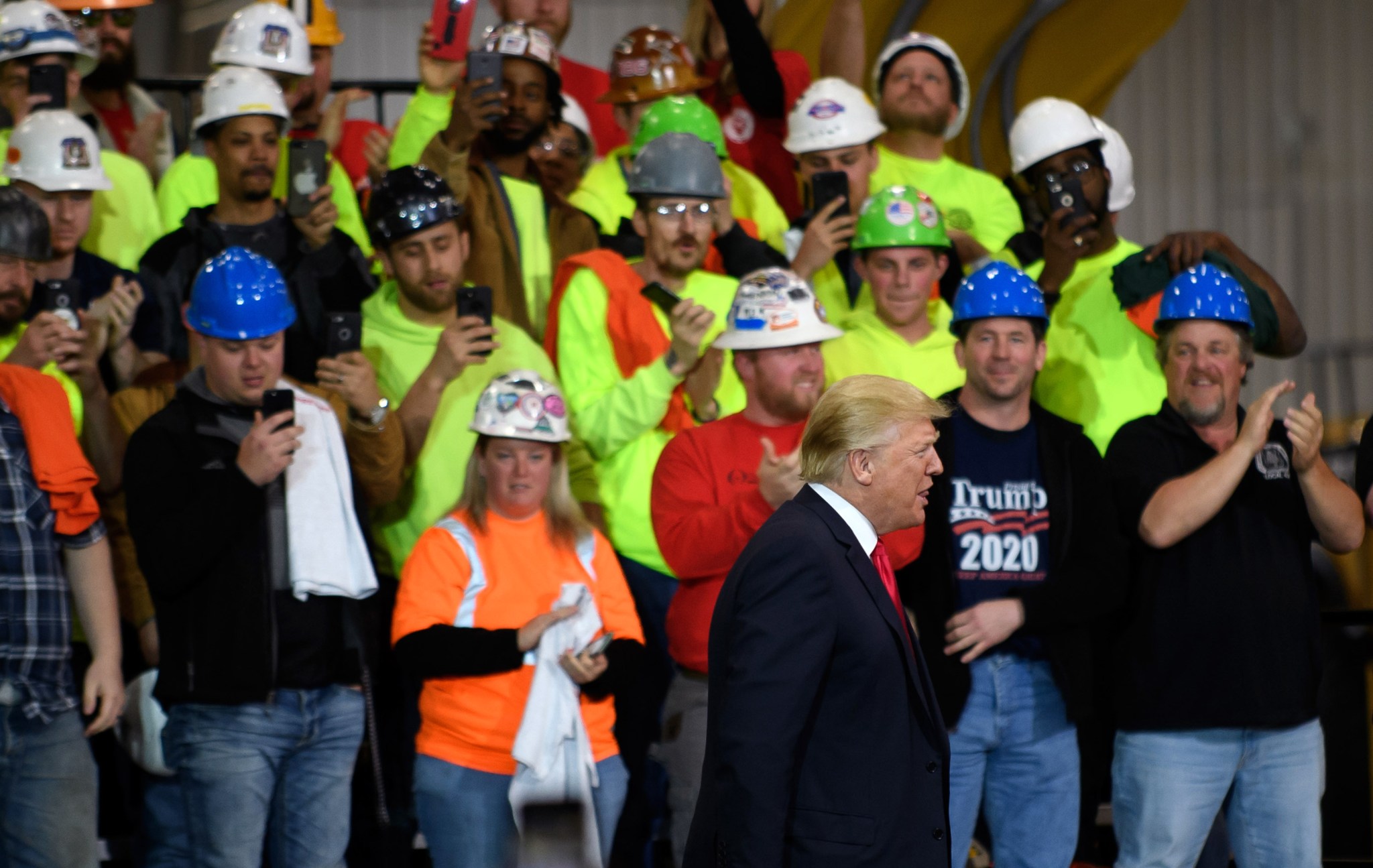
As union workers and their families gather for Labor Day, they may reflect on Ronald Reagan's question, "Are you better off now than you were four years ago?" The economic situation for all workers, unionized and otherwise, is facing challenges. Higher prices for essential goods like food and gasoline weigh heavily on the American public.
For union workers, the economic outlook is particularly grim, with threats from artificial intelligence and robotics, and promises of new corporate investments in plants yet to materialize. Another blow comes from federal job cuts during President Trump's second term, which have affected many previously represented by labor unions.
As labor studies scholars, we believe that weariness and wariness will accompany blue-collar voters to the polls in November. The candidates who propose practical solutions to turn the economy around and show empathy for Americans struggling financially are likely to garner the support of union voters. The union vote has historically leaned Democratic, but the level of support has decreased since the 1970s.
In swing states like Michigan, Pennsylvania, and Nevada, where the union membership rate exceeds the national average, union votes could play a crucial role in closely contested House and Senate races.
The percentage of U.S. workers represented by unions has declined significantly over the past four decades, from 20.1% in 1983 to 10.0% in 2025. Public sector workers have a much higher union membership rate (32.9%) compared to private sector workers (5.9%). In close elections, the volatility of these voting blocs can significantly influence the outcome.
President Trump has promised to reduce consumer prices, bring back manufacturing jobs, and respect workers' rights. However, recent polls suggest that his performance on these issues among union households is declining.
The U.S. economy has lost 75,000 manufacturing jobs since January 2025, a 0.6% decline. Although tariffs may help some American manufacturers by erasing the advantages of low-cost overseas labor, the real issue is that any potential job growth in manufacturing is likely to be automated, reducing the need for workers. Recent remarks by Moody's financial analyst Mark Zandi indicate that increased manufacturing output does not necessarily translate into significant job creation.
Furthermore, President Trump has not proposed a clear plan to lower inflation. Food prices in July 2026 were up 3.0% from the previous year, slightly above the historical average.
Generational anger from older blue-collar workers, many of whom were former union members, is another factor that could impact the voting booth. These individuals, primarily from New England, the Great Lakes, Ohio, and western Pennsylvania, are still resentful over the industrial collapse of the 1970s and 1980s. While it is unclear whether unionized industrial workers will support their public sector counterparts, the deep-seated resentment could manifest in the voting booth in a significant way.
Written by urgent.news from Fortune's reporting — not their text. Machine-written — may contain errors; check the original before relying on it.