'Truly scared': Blazes outpace firefighters in Indonesian Borneo
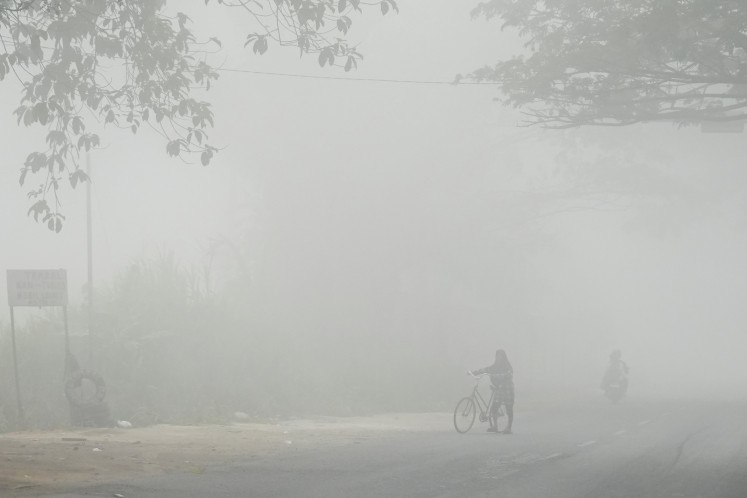
Toiling around the clock, haggard Indonesian firefighters on the island of Borneo cannot keep up with the blazes devouring landscapes and shrouding communities in a cloying haze.

In Pontianak, Indonesian firefighters on Borneo island are struggling to keep up with the blazes that are consuming landscapes and causing a thick haze to envelop communities. The blazes are fueled by the El Nino climate phenomenon, which has caused drought conditions, as well as decades of forest degradation and slash-and-burn practices.
Fire chief Sampe Ritonga of Sintang regency says his team only has two 6,000-litre fire engines, and they often have to find additional water sources due to low river levels. Locals have gathered to offer drinking water to the firefighters, who are working long shifts with little sleep. In Pontianak, people have been breathing in foul air for weeks, with PM2.5 pollution levels exceeding 500 micrograms per cubic metre – 100 times the safe limit set by the World Health Organization.
Schools have been closed, and there has been a surge in respiratory ailments. The governor of West Kalimantan province, Ria Norsan, says the province is doing its best, but is requesting assistance and grants to improve firefighting efforts. Environmental campaigners blame the fires on rampant deforestation and peatland destruction, which make the peat more flammable.
They are calling for the Indonesian government to declare the fires a national disaster to mobilize resources and protect health, wildlife, and the environment.
Written by urgent.news from New Straits Times's reporting — not their text. Machine-written — may contain errors; check the original before relying on it.
This story
This is one outlet's version. Read the fullest account.