The untapped role of Queen Mothers in African economic development
I am not writing this piece to complain. I am writing it because I believe there is a specific and achievable path forward, and because as an Nkosuohemaa I am now part of the constituency that must argue for it.
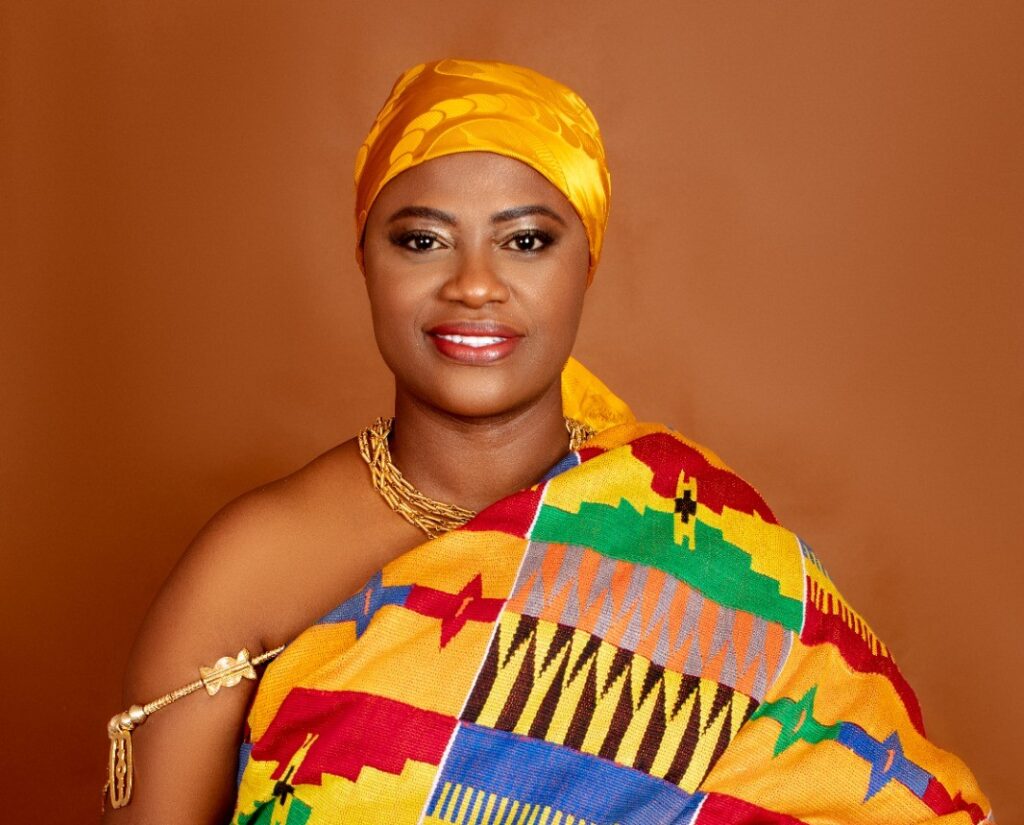
The untapped potential of Queen Mothers in African economic development can be observed in Ghana, where the office of Nkosuohemaa provides a unique developmental mandate to queen mothers. This office, filled with a rich history, has women like Yaa Asantewaa, Queen Mother of Ejisu, who led the final Asante war against the British Empire and, despite exile, demonstrated the influence women hold in maintaining political order.
Today, the country, shaped by strong female leadership, still designs its economic future in a manner that overlooks the contributions of women. Examples of successful women in Ghana, such as Esther Ocloo, Susanna Al-Hassan, Justice Annie Jiagge, Dr. Letitia Obeng, and Nana Konadu Agyeman-Rawlings, highlight their accomplishments in various fields, including finance, politics, and social initiatives.
These women have built on the foundation established by the historic figure, Yaa Asantewaa, and have made significant strides in areas like credit accessibility, education, and women's empowerment. Their legacy extends beyond the traditional roles expected of them, as seen in the current Vice President of Ghana, Naana Jane Opoku-Agyemang, who carries forward this unbroken tradition of female leadership.
The development sector in Ghana has often failed to recognize and utilize this wealth of experience and influence, despite the proven effectiveness of the queen mother model in managing commerce and community governance.
Written by urgent.news from MyJoyOnline Ghana's reporting — not their text. Machine-written — may contain errors; check the original before relying on it.