The floating PC case trend is about more than good looks
Floating PC cases are becoming increasingly common, while other manufacturers are finding new ways to improve airflow beneath the graphics card.
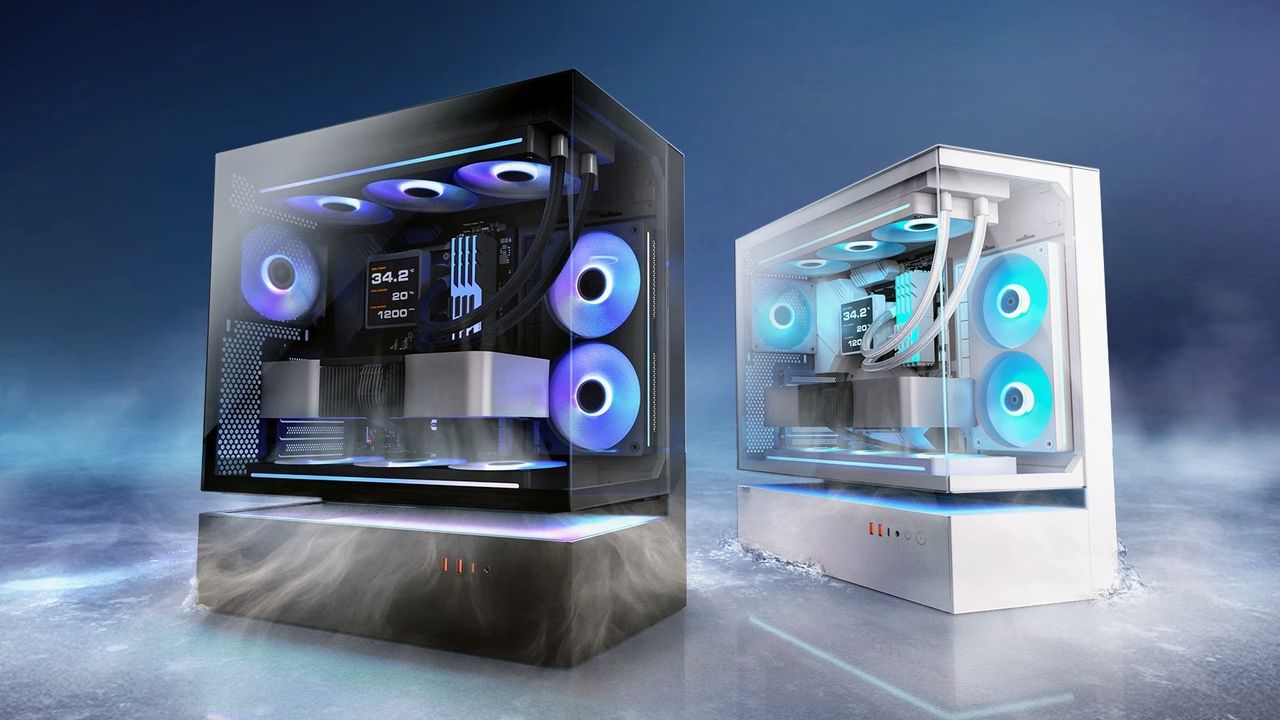
The trend of floating PC cases extends beyond mere aesthetics, as manufacturers are increasingly designing them with practical benefits in mind. These innovative cases intentionally create a gap underneath the main chassis, either through recessed sections or raised bases, resulting in a visually striking "floating" appearance. One prominent example is the Cougar CFV235, which separates the power supply unit (PSU) cabin from the main component chamber, leaving an open area that contributes to both the case's aesthetics and ventilation.
Another notable design is the DarkFlash Floatron F1, which suspends the main chassis above an extended base that draws air in through the bottom and sides. This design has garnered attention for its unique 270-degree airflow, allowing air to enter from multiple directions. Although some may find the Floatron F1 visually unappealing, its practical benefits cannot be overlooked.
As the popularity of panoramic or glass cases continues to rise, manufacturers are finding new ways to optimize airflow within these builds. By opening up the lower part of the PC case, they can provide better cooling for crucial components like the graphics card, which tends to generate the most heat. Some designs even separate the PSU's airflow from the main component chamber, ensuring optimal performance.
While the floating style may not be for everyone, those who prefer ready-made systems can still find suitable options. Our guide to the best gaming PCs offers recommendations for systems that incorporate these innovative designs. Ultimately, the floating PC case trend showcases manufacturers' commitment to improving airflow and cooling efficiency, even if it means deviating from traditional design conventions.
Written by urgent.news from TechRadar's reporting — not their text. Machine-written — may contain errors; check the original before relying on it.