Saudi Arabia preparing to grant IAEA more intrusive powers, Grossi says
VIENNA: A planned U.S.-Saudi atomic deal does not include Riyadh signing the Additional Protocol that gives the U.N. nuclear watchdog sweeping inspection powers, but something close to it on some points is in the works, the agency’s chief said on Monday. The U.S. and Saudi Arabia reached an agreement on civil nuclear power cooperation in July that would let Riyadh enrich uranium and build nuclear…
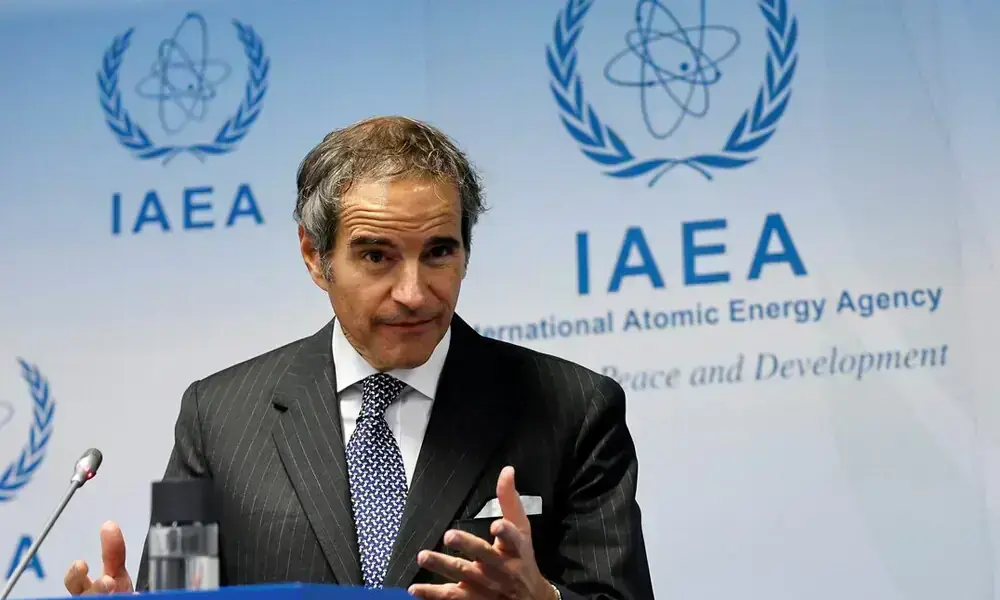
VIENNA: The International Atomic Energy Agency (IAEA) chief, Rafael Grossi, revealed on Monday that a planned U.S.-Saudi agreement on nuclear cooperation does not entail Riyadh signing the Additional Protocol. This protocol would grant the IAEA extensive inspection powers. However, certain aspects of the protocol are being considered in the agreement.
The U.S. and Saudi Arabia signed a deal in July, allowing Riyadh to enrich uranium and construct nuclear reactors using American technology. Critics, including the Arms Control Association, argue the deal lacks the Additional Protocol, which could enable the IAEA to conduct surprise inspections at undisclosed locations. Iran previously adhered to the protocol from 2016 to 2021 under a nuclear deal with major powers that ended following the U.S. withdrawal in 2018.
Grossi acknowledged that the Additional Protocol would be the "ideal arrangement," but Saudi Arabia is working to incorporate provisions into their bilateral agreement that would grant the IAEA enhanced verification and monitoring capabilities. These measures would target sensitive activities like uranium enrichment, uranium conversion, and reprocessing, which can separate plutonium from spent reactor fuel. Once finalized, the agreement will be submitted to the IAEA's 35-member Board of Governors.
Written by urgent.news from Business Recorder's reporting — not their text. Machine-written — may contain errors; check the original before relying on it.
This story
This is one outlet's version. Read the fullest account.
- Saudi Arabia preparing to grant IAEA more intrusive powers, Grossi says al-monitor.com
- Saudi Arabia makes major change to job application rules arabianbusiness.com
- Chinese tech firms deepen ties in Saudi Arabia semafor.com