SA’s internet costs climb, but other bills rise faster
Internet costs are outpacing headline inflation, the Competition Commission warns – although petrol, taxis and bonds are climbing far faster.
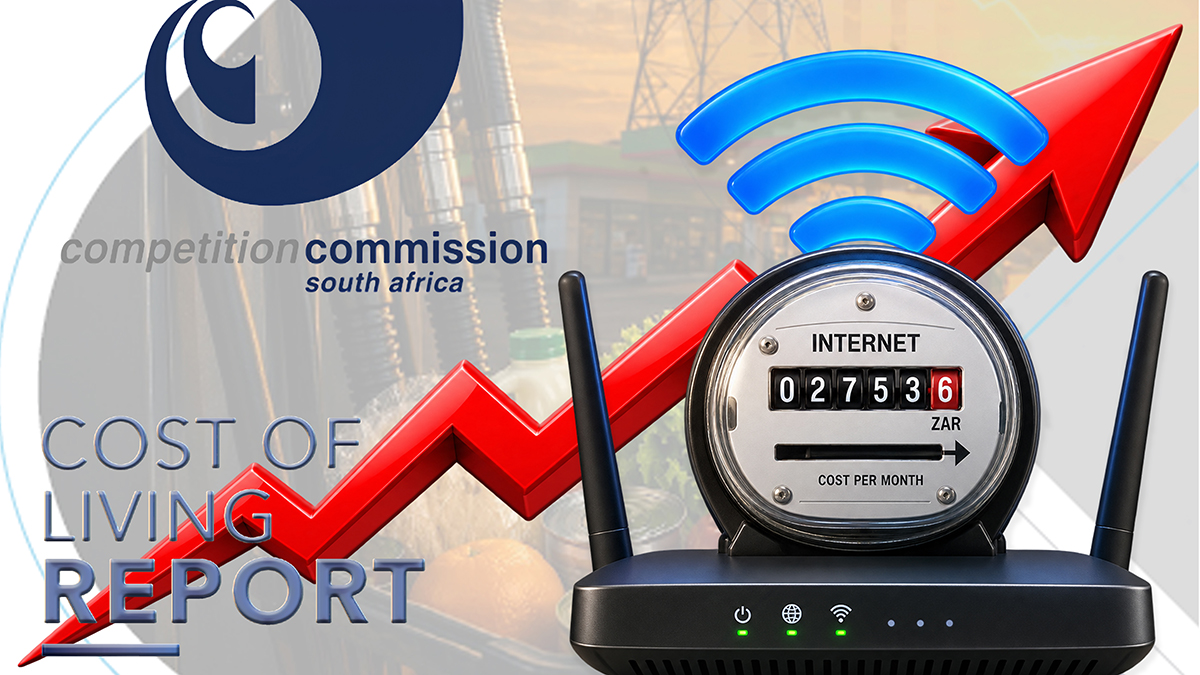
South Africa's internet charges have risen, but the increase is less severe than the escalation of other monthly expenses. A report from the Competition Commission sheds light on these financial burdens. While internet connectivity, deemed an essential service by the commission, has experienced a price hike of 4.1% for wireless services and 3.5% for wired services, these hikes are outpacing the overall inflation rate.
The commission's latest Cost of Living report highlights this concern, stating that internet service inflation has risen faster than headline inflation, which stood at 3.8% for the first half of the year. This is troubling given the integral role that internet services play in the economy, facilitating access to employment, education, healthcare, financial services, and government programs.
Comparatively, inflation affecting everyday items like petrol, minibus taxi fares, and bond repayments has surged significantly more. Petrol prices jumped by 26%, minibus taxi fares increased by 13%, and bond repayments rose by 9.6% over the same period. Electricity and water tariffs also saw notable hikes of 8.1% and 10.1% respectively, due to factors such as aging infrastructure and the costs associated with maintaining and expanding these networks.
Other household costs, such as public primary and secondary school fees, have also climbed. Public primary school fees increased by 6% and secondary school fees rose by 5.7% between 2025 and 2026. The report further notes that the combined effect of these price increases is eroding purchasing power, leaving households struggling to meet basic needs.
The DebtBusters Money-Stress Tracker for May and June 2026 reveals that financial stress has risen, particularly among lower-income and younger demographics, with many spending more than 40% of their income on debt repayments. The report concludes that the persistent rise in living costs is placing immense pressure on households.
Written by urgent.news from ITWeb's reporting — not their text. Machine-written — may contain errors; check the original before relying on it.