Rise and fall and rise again of Umno-PAS relations
History has shown that there are no guarantees that an alliance between the two parties would not eventually fall apart.
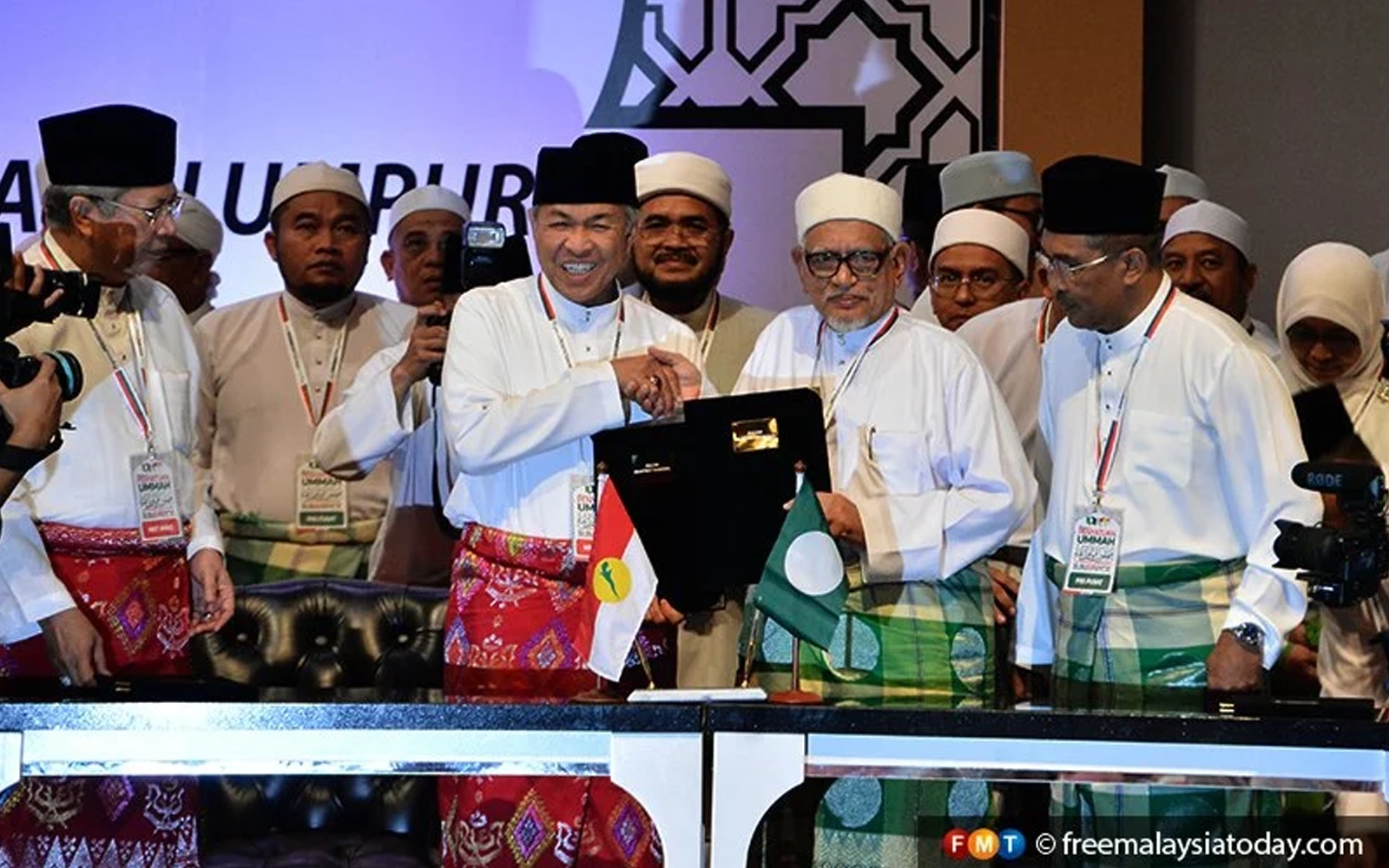
The relationship between Umno and PAS has undergone a series of rises and falls over the decades. Originally, the two parties collaborated when PAS was integrated with Barisan Nasional in 1973. However, this alliance eventually led to friction, culminating in an emergency declaration in Kelantan in 1977.
In the wake of the 2018 general election, Umno and PAS formalized a renewed alliance known as Muafakat Nasional. However, this partnership reached an impasse when PAS decided to form Perikatan Nasional alongside Bersatu, a move that was met with strong opposition from Umno.
Despite efforts from top leaders to push for a renewed alliance or partnerships under the Rumah Bangsa initiative, both factions concede that such reunification lacks sustainability if it remains merely seasonal and transactional for electoral gains. Throughout history, alliances between Umno and PAS have not always been sustainable, as they often shift between working together and confronting each other based on changing power dynamics and political survival.
Historically, the two parties have competed for the same voter base in rural, Malay-majority constituencies, leading to hierarchical friction in determining parliamentary and state assembly seats. Additionally, establishing the supreme leadership hierarchy, particularly concerning the premiership, has been a contentious issue. If PAS secures a larger parliamentary bloc than Umno, power struggles could destabilize the alliance.
Furthermore, Umno leaders remain cautious and skeptical of PAS's calls for unity due to past breaches of trust.
Ideological differences also contribute to the tension between the two parties. Umno typically leans towards technocracy, economic development, and state-centric pragmatic policies, while PAS prioritizes Islamism and an electoral doctrine rooted in a single ethnic demographic. This divergence frequently leads to socio-political debates during policy formulation.
Umno loyalists and analysts face a strategic dilemma regarding proposed alliances with PAS. Historically, Umno's political hegemony relied on capturing non-Malay swing votes, particularly in straight-fight scenarios against PAS. Closer alignment with PAS risks alienating non-Malay voters, as seen in the electoral marginalization of Gerakan after integrating into PN.
Additionally, Umno fears being integrated or subverted by PAS due to PAS's superior grassroots machinery and larger parliamentary presence, which could lead to Umno being relegated to a junior partner status. While Umno and PAS can forge new alignments based on countering common political enemies, the sustainability of such cooperation remains fragile.
Written by urgent.news from Free Malaysia Today's reporting — not their text. Machine-written — may contain errors; check the original before relying on it.
Also reported by 1 other outlet
- Rise and fall and rise again of Umno-PAS relations freemalaysiatoday.com