Plastics Companies Are Writing Lesson Plans. What Could Go Wrong?
The science curriculum the industry is offering to schools casts plastics as safe, recyclable, and a source of good jobs. Critics say it’s propaganda.
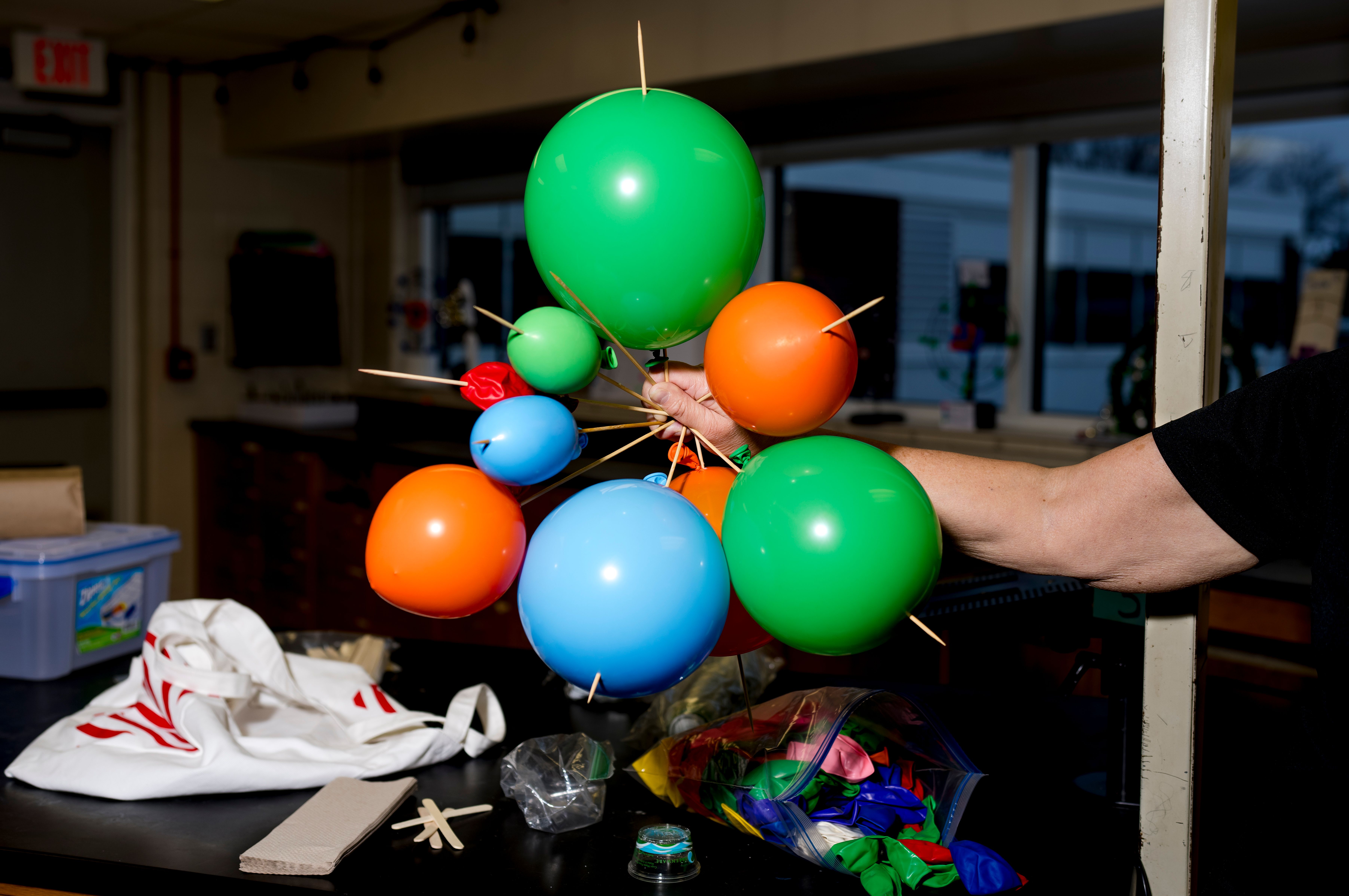
In the United States, 54 million K-12 students are preparing to return to school this fall, only to find that the curriculum has expanded to include a new subject: plastics. A new report from the Plastic Pollution Coalition has revealed how the plastics industry has been inserting its agenda into classrooms across the country, through lesson plans, worksheets, hands-on experiments, and a traveling program called "PlastiVan."
According to the report, the materials offered by the industry tend to emphasize the necessity and importance of plastics while downplaying their negative impacts on human health and the environment. These resources are typically provided to teachers for free or at a low cost, and they often highlight the role plastics play in modern life, such as the "plastic scavenger hunt" activity organized by the Society of Plastics Engineers (SPE) and the "Your Bottle Means Jobs" video produced by the American Association of Chemistry Teachers, an initiative linked to the Dow Chemical Company.
While these materials claim to support STEM learning objectives, they promote industry talking points and emphasize the affordability and safety of plastics. Some acknowledge plastic pollution as an issue but blame it on consumer behavior and propose recycling as the primary solution. However, the report points out that only 9% of all plastics are recycled globally, and recycling cannot keep up with the projected growth in plastic production.
Wendy Johnson, a science education specialist at the National Center for Science Education, criticized the industry's materials, stating that they don't adhere to good pedagogy and instead promote ideological perspectives about the economy. The report reveals that plastics propaganda has been present in schools since the 2000s, with examples of industry lobbying to add sections on shopping bag advantages in high school textbooks.
The PlastiVan initiative, which has been ongoing since 2011, has reportedly reached over 132,000 students.
The Plastic Pollution Coalition urges stricter school policies against the use of industry-sponsored learning materials, particularly in schools near petrochemical facilities. However, the report received no response from the involved parties, including the Shell plastics production complex in Beaver County, Pennsylvania, which had invested in plastics-related curricula and recycling programs.
Written by urgent.news from Wired's reporting — not their text. Machine-written — may contain errors; check the original before relying on it.