Philippine peso hits record low, UAE dirham rate reaches 17.02 amid oil price pressure
Dubai: Filipinos sending money home from the UAE are getting more pesos for every dirham after the Philippine currency fell to a fresh record low on Monday. One dirham stood at 17.02 pesos at 10 am, up from 16.99 on Sunday and the highest level recorded so far this month. Get updated faster and for FREE: Download the Gulf News app now…
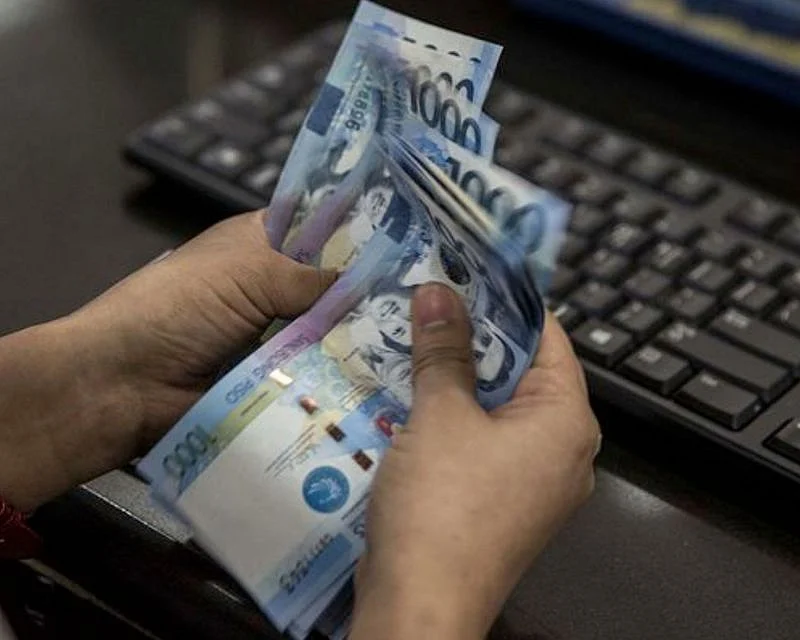
Dubai - The Philippine peso has hit a record low, with one dirham now equaling 17.02 pesos, according to Monday's exchange rate. This marks the lowest point for the currency in recent months, up from 16.99 on Sunday. The significant increase comes as a result of the Philippine peso's ongoing decline, which has been attributed to higher oil prices and a stronger US dollar.
The Philippine currency has weakened by approximately 6.2% against the dollar this year, making it the worst-performing emerging-market currency in Asia. Its decline has accelerated recently, breaking previous records due to rising oil prices and the impact of a stronger US dollar.
The Philippines is particularly vulnerable to energy price fluctuations due to its heavy reliance on imported oil and limited manufacturing and commodity exports. As crude prices rise, the country needs more dollars to pay for energy imports, increasing demand for the US currency and putting pressure on the peso.
Foreign reserves have also fallen by around 9% to $103 billion, leaving the central bank with limited resources to support the currency. President Ferdinand Marcos Jr. and Bangko Sentral ng Pilipinas Governor Eli Remolona have stated that depleting reserves to defend the peso is not sustainable. Instead, efforts are focused on preventing large fluctuations in the currency rather than pushing it below 60 pesos to the dollar.
Inflation has added to the challenges faced by the Philippine peso. Consumer prices in the country rose by 6.1% in August, more than double the central bank's 3% target, while the economy expanded by only 2.3% in the second quarter. The Bangko Sentral ng Pilipinas has raised interest rates three times in a row to combat inflation, while expectations of another US interest rate increase are further putting pressure on emerging-market currencies like the peso.
Written by urgent.news from Gulf News's reporting — not their text. Machine-written — may contain errors; check the original before relying on it.