Palm oil prices rise as Indonesian forest fires put supply at risk
Some harvesting has been disrupted as farm workers join firefighting efforts, while smoke and reduced sunlight affect palm fruit growth.
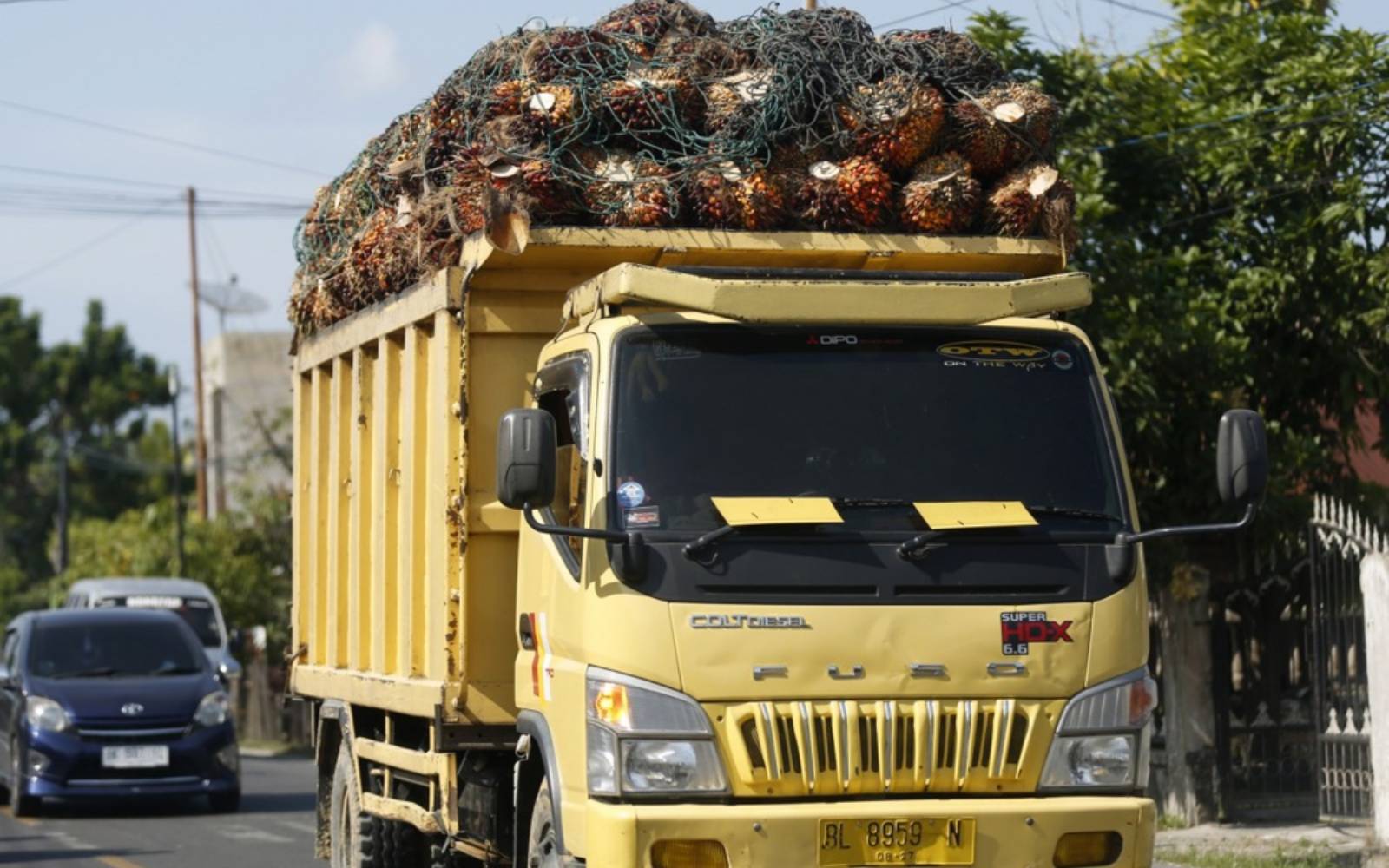
Palm oil prices surged to a record high as Indonesian forest fires threatened the supply of the key commodity. The steep rise in futures prices was driven by concerns over the impact of the smoke and haze on harvesting and palm fruit growth. Traders in Kuala Lumpur noted a 0.9% increase in benchmark futures, pushing the price to RM4,975 per tonne.
The haze has disrupted farming activities, forcing workers into firefighting duties and affecting the natural growth of palm trees. The price surge was also attributed to higher crude and vegetable oil prices, with the commodity benefiting from the increased competitiveness of biofuels. While forest fires are a common occurrence in Southeast Asia, this year’s severe El Nino weather pattern is exacerbating the situation.
Over 202,000 hectares of forest have been burned on Indonesia's Borneo and Sumatra islands, and the cross-border haze has reached pollution levels in nearby countries such as Singapore, Malaysia, and the Philippines. However, the onset of rainy season in October may bring some relief to the fire and haze crisis.
Written by urgent.news from Free Malaysia Today's reporting — not their text. Machine-written — may contain errors; check the original before relying on it.
This story
This is one outlet's version. Read the fullest account.
- Palm oil prices rise as Indonesian forest fires put supply at risk freemalaysiatoday.com
- Palm Oil Climbs as Indonesian Forest Fires Puts Supply at Risk bloomberg.com