Okinawa man convinced he won 700 million yen by scammers, saved by convenience store staff
To serve and protect. Convenience store workers really don’t get enough credit. Often working for minimum wage, they have a wide array of duties, including sales, banking, postal services, and photocopier technical support, to name a few. But they’re also on the front lines of protecting people from increasingly rampant fraud in Japan. The reason […]
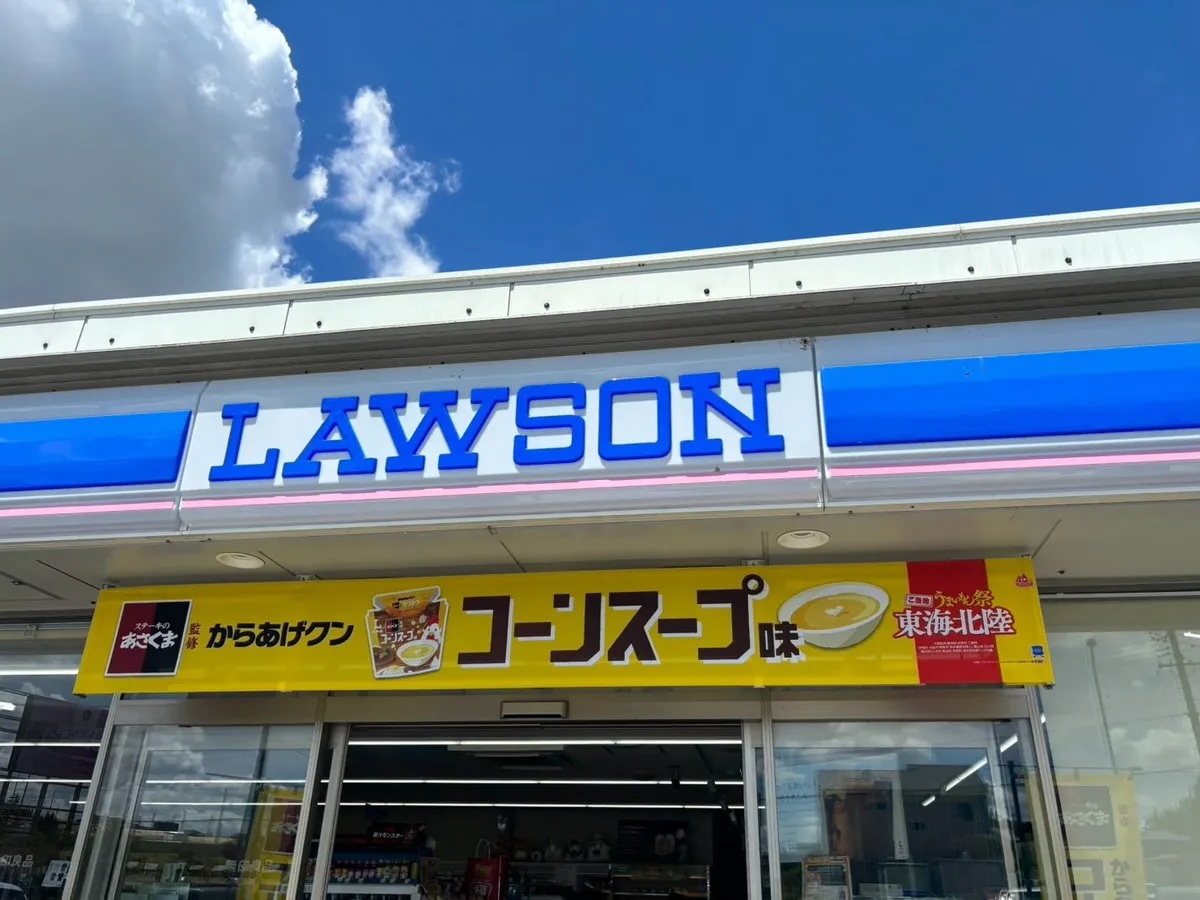
On July 22nd, at a Lawson convenience store in Tomigusuku, Okinawa, an elderly customer was reportedly convinced by scammers that he won 700 million yen. The woman behind the counter, Yoshie Sawada, and another clerk, Naomi Takaesu, noticed the man seemed unusually disoriented. The fraudster asked to purchase a prepaid e-currency card worth 3,000 yen to cover a "handling fee."
The store staff immediately recognized the message as a scam and tried to dissuade the customer, but he stubbornly insisted he was a winner. The two employees kept him in the store and called the police, who later explained the situation to him. For their quick thinking and sense of justice, Sawada and Takaesu were awarded letters of appreciation by the Tomigusuku Police Department.
This incident highlights the growing prevalence of "special fraud" in Japan, where scammers use prepaid cards sold at convenience stores for payment. Store staff often serve as the first line of defense against these scams, as they are familiar with the technology and can spot suspicious behavior. While some readers sympathized with the victim, others shared their own experiences with attempted scams, demonstrating how widespread the issue has become.
The police chief praised the store staff's "cool-headedness and sense of justice," noting that their actions prevented significant financial loss. The story also raises questions about the viability of lottery or lottery-like schemes that promise large sums of money, such as the 700 million yen in this case.
Written by urgent.news from SoraNews24's reporting — not their text. Machine-written — may contain errors; check the original before relying on it.