Oil Prices Surge as UK Growth Data Takes Centre Stage: Sterling Update
Here’s the latest currency news from our partner Moneycorp, to help you find out what your money is worth. Source
Oil prices have soared once more following the United States' strike on three Iranian crude oil tankers, in response to the IRGC's firing of ballistic missiles at two American warships. This escalation has pushed Brent crude oil to its highest level since the peace accord was abandoned in July. Admiral Brad Cooper, head of Central Command, emphasized that the US aims to impose the maximum economic penalty on Iran.
However, such actions increase the danger of attacks on shipping in the Strait of Hormuz by the Iranian regime, and the potential for strikes on refining facilities across the Middle East.
The US envoy recently concluded talks in Russia and Ukraine, but neither side seems willing to agree to a ceasefire. Ukrainian President Volodymyr Zelensky forewarned that another winter of war is likely. This ongoing conflict may bolster oil prices as the supply continues to be constrained.
The latest employment report from REC/KPMG revealed that the labor market is showing signs of improvement, with permanent job placements increasing and temporary placements hitting their strongest growth in over three years. However, there are concerns over Jaguar Land Rover (JLR) as discussions between the UK government and JLR may lead to a reduction in its workforce by up to 4,000 employees, as it tries to cut costs.
JLR is facing significant revenue pressure due to reduced demand following the 2025 cyberattack, a misguided advertising campaign, and growing competition from Chinese electric vehicle manufacturers.
The upcoming focus is on UK monthly GDP, industrial production, index of services, and construction output data. The combination of the World Cup and warm weather might provide some relief to activity, but the risk of negative impact remains higher. Meanwhile, US payrolls data has been robust, leaving financial markets with a dilemma.
Other indicators suggest the labor market is weak, but the USD rallied after Friday's employment report. Yields have also risen, indicating that the US Treasury's efforts to lower yields on the longer end of the curve have not been successful.
The primary release this week is the August CPI inflation figure, scheduled for release on Friday at 13:30 BST. The risk is that the headline rate remains elevated at 3.4% year-over-year, while the core rate drops to 2.4%. If this occurs, it could complicate the decision faced by US policymakers. Raising interest rates in response to headline inflation could risk only a limited transmission into core or secondary inflation effects.
Alternatively, keeping rates unchanged might jeopardize the Federal Reserve's credibility if secondary inflation effects materialize.
The US dollar is under pressure, especially against the Japanese yen, with the currency pair finally aligning with economic realities as the yen has become significantly undervalued in terms of purchasing power parity. The AfD party secured victory in Saxony-Anhalt, winning 43.8% of the vote according to preliminary results. While they are short of an outright majority, a rainbow coalition among the remaining parties may prove extremely difficult.
This outcome could create political turmoil in Germany, with the largest governing party polling just over 17% of the vote. German industrial production data for July also fell short of expectations, declining 1.1% month-over-month, despite a surge in factory orders over the past three months. This weakness may be temporary, but it signals that German economic conditions remain fragile, particularly due to ongoing challenges within the automotive sector.
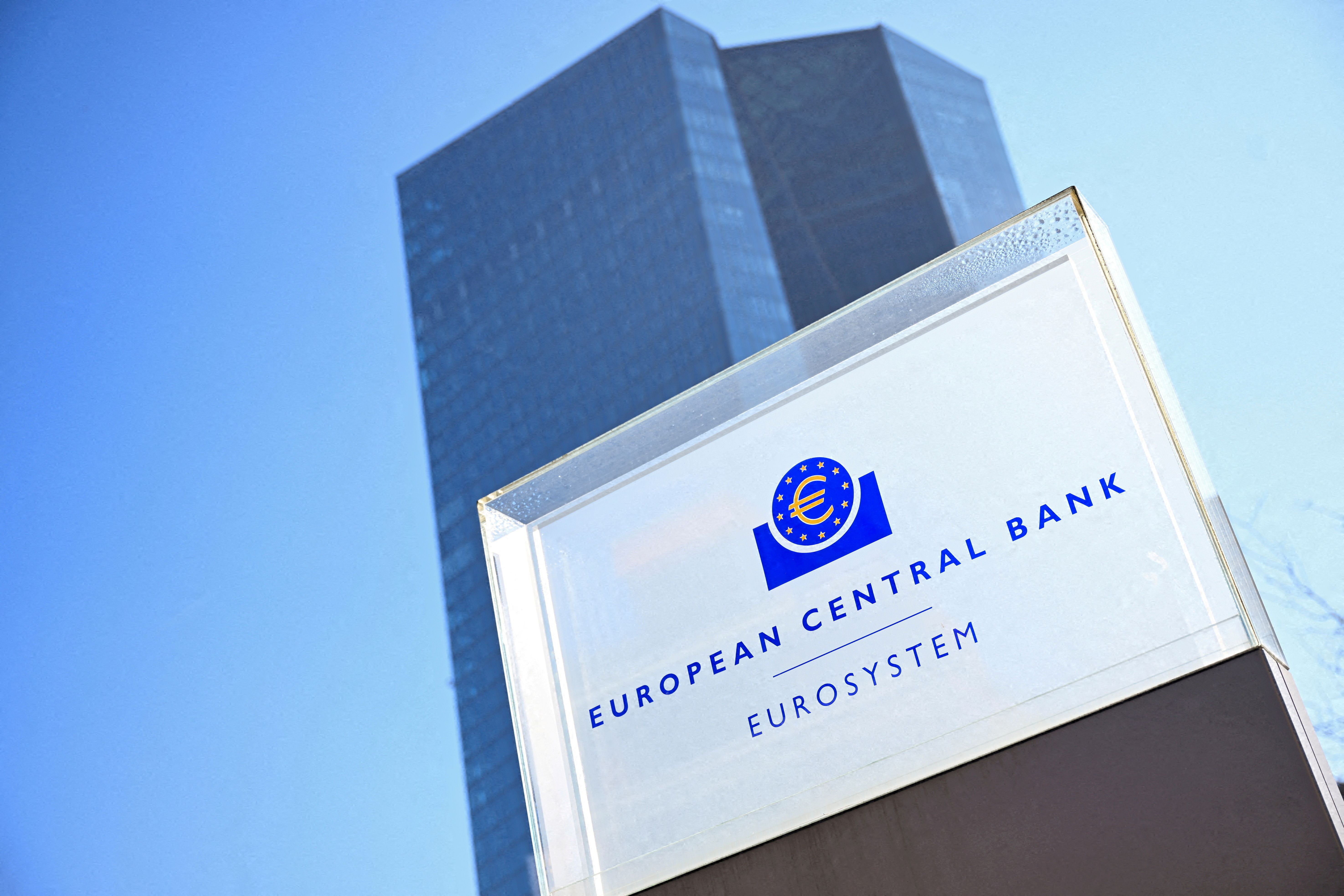
In a surprising turn, the European Central Bank (ECB) is expected to raise all official interest rates by 25 basis points during their meeting this week. The focus may be on officials' assessment of the discrepancy between headline and core CPI rates, and whether tariff-related pressures and trade uncertainty could result in weaker GDP outcomes toward the end of the year.
If the ECB signals support for further tightening, the euro could strengthen. However, risks still favor a weaker growth scenario, which could negatively impact the currency in the medium to long term.
Written by urgent.news from FrenchEntree's reporting — not their text. Machine-written — may contain errors; check the original before relying on it.