Nepal’s US$2.5 billion flood bill puts UN climate fund to its biggest test yet
Nepal is seeking financial aid following the catastrophic flood that killed hundreds of people and caused billions of dollars in economic losses, tapping a global financial mechanism established to address the impacts of climate change in developing countries. Kathmandu has formally requested the UN-backed Fund for responding to Loss and Damage to “respond rapidly, directly and effectively” amid…
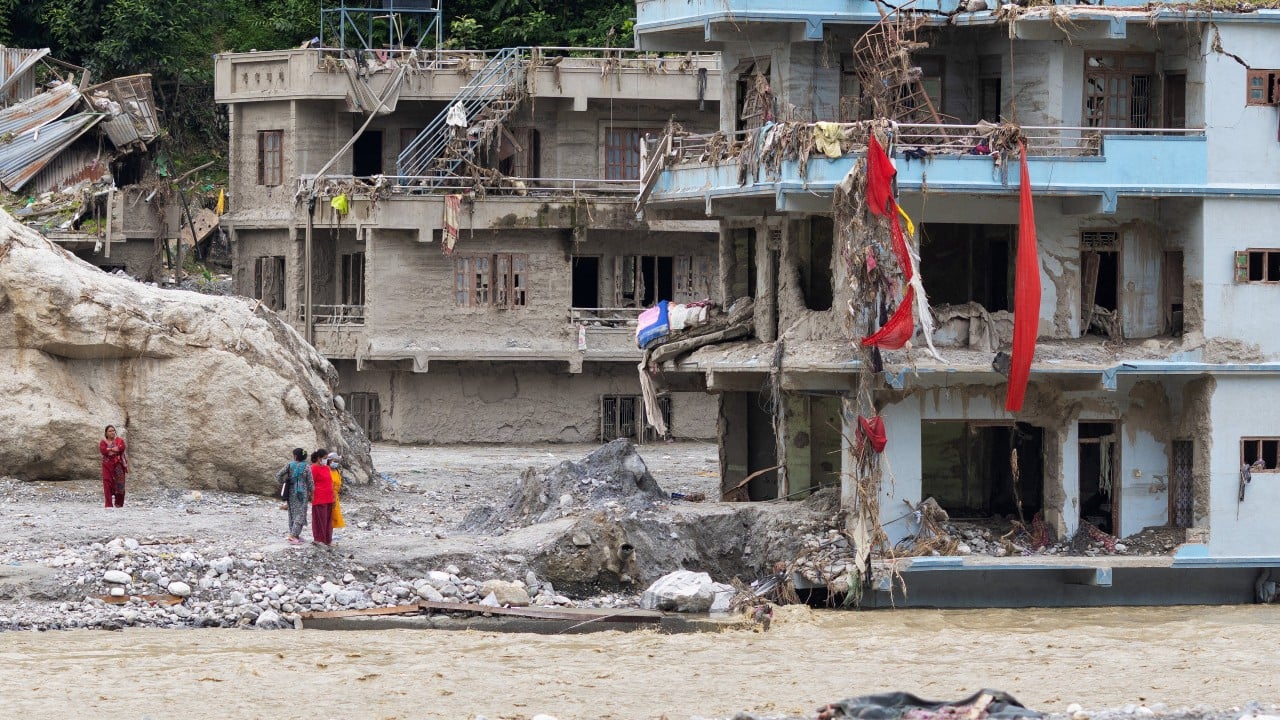
Nepal is requesting US$2.5 billion in financial aid to help recover from a devastating flood following a rock-ice avalanche along the border with China. The disaster, which struck on August 26, has killed over 1,300 people and left thousands more missing. The nation has formally asked the United Nations-backed Fund for responding to Loss and Damage to swiftly provide assistance.
The fund, operational since 2022, relies on contributions from governments, primarily to aid developing nations. While Nepal contributes just 0.01 percent of global greenhouse gas emissions, it is ranked the sixth most affected country due to extreme weather impacts. Activists and analysts emphasize the need for climate reparations, but experts caution that the fund does not involve legal liability or forced compensation.
Instead, it focuses on rehabilitation, recovery, and reconstruction following a climate event. Nepal estimates economic losses at 400 billion rupees (US$2.5 billion), with recovery costs nearing US$5 billion, nearly one-tenth of the country's economy. The hardest-hit areas are in northern and central districts of Rasuwa, Dhading, and Nuwakot.
Nepalese officials must establish a link between the disaster and climate change, as well as provide a detailed loss assessment to support their claim. The 2022 UN Climate Change Conference (Cop27) and the 2023 UN Climate Change Conference (Cop28) laid the groundwork for the fund, with at least 50 percent of its initial funding allocated to small island developing states and least developed countries.
Written by urgent.news from South China Morning Post's reporting — not their text. Machine-written — may contain errors; check the original before relying on it.