‘My HbA1c is 10.6%. How do I reduce it naturally?’
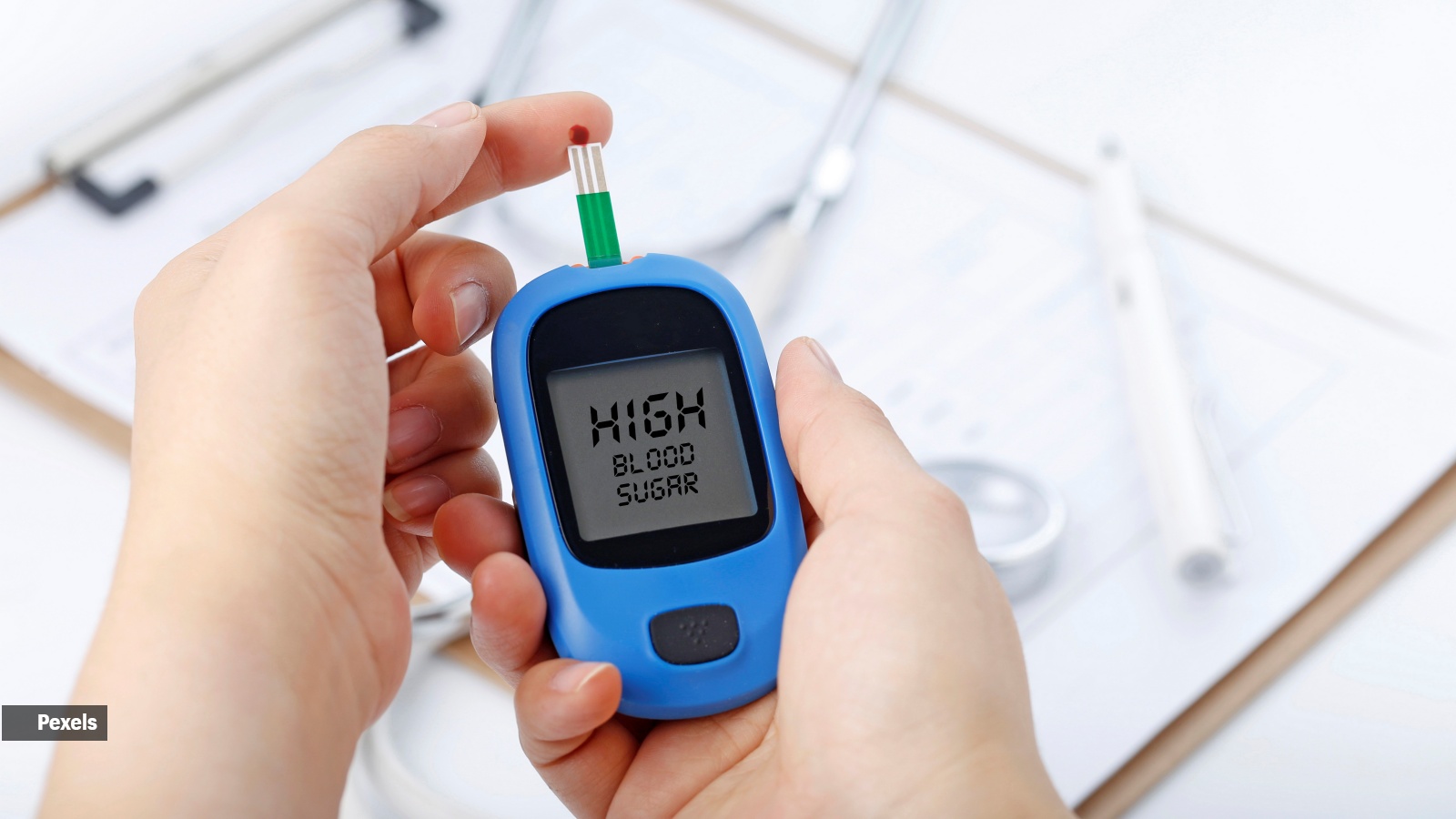
An HbA1c reading of 10.6% signals that blood sugar levels have been consistently elevated over the past few months. For those already taking diabetes medication, it raises questions about whether dietary adjustments, increased exercise or natural remedies could help lower the number further. A Quora user asked, "My HbA1c is 10.6.
What natural methods can I use in addition to medication?" To explore this, we spoke to Dr. Rajiv Kovil, a Diabetes & Obesity Specialist, to understand what lifestyle changes could make a tangible difference when the HbA1c is this high.
An HbA1c of 10.6% signifies markedly poor blood sugar control, equivalent to an average glucose level of approximately 258 mg/dL over two to three months. While HbA1c measures overall glucose exposure, it doesn't indicate if high blood sugar has already caused damage to organs. Given this elevated level, ongoing treatment requires a thorough reassessment, including monitoring fasting and post-meal glucose levels, medication adherence, diet, weight, body composition, physical activity, sleep, and other factors contributing to high blood sugar.
"Medication and lifestyle interventions go hand in hand, not in place of each other," Dr. Kovil emphasizes. To complement medication, he recommends reviewing eating patterns, particularly meals in the evening. Having an earlier, lighter dinner, avoiding late-night snacking, and aiming for consistent, quality sleep can improve metabolic health. Structuring meals around protein, vegetables, and fibre while reducing refined carbohydrates, sugary beverages, and processed foods is also advised.
Dr. Kovil suggests a "carb-last" strategy: consume protein and vegetables first, followed by carbohydrates towards the end of the meal. Regular exercise, combining aerobic activities with resistance training, can enhance fitness and muscle mass while improving overall metabolic function. Even a short, 10–15-minute walk after meals may help regulate post-meal blood sugar spikes.
For those with excess weight, losing weight in tandem with stress management and maintaining regular sleep patterns can further support diabetes management.
While lifestyle changes hold promise, they may not suffice alone for an HbA1c of 10.6%. "A review of medication and potential intensification by a healthcare provider may be necessary," Dr. Kovil advises. Furthermore, individuals with such high HbA1c levels should undergo a broader health assessment, including kidney function, retina health, blood pressure, cholesterol, liver function, and body composition.
Assessing cardiovascular risk and addressing conditions like neuropathy are also crucial. Ultimately, the goal extends beyond just reducing HbA1c—it's about mitigating the long-term risks of diabetes-related complications while enhancing overall fitness, sleep quality, and quality of life. Dr Kovil stresses, "Treat the person with diabetes, not just the HbA1c."
Written by urgent.news from The Indian Express - Lifestyle's reporting — not their text. Machine-written — may contain errors; check the original before relying on it.
This story
This is one outlet's version. Read the fullest account.
- ‘My HbA1c is 10.6%. How do I reduce it naturally?’ indianexpress.com