Long shadow of West Asia War | Why ‘made in Surat’ garments could be 30% costlier this Diwali
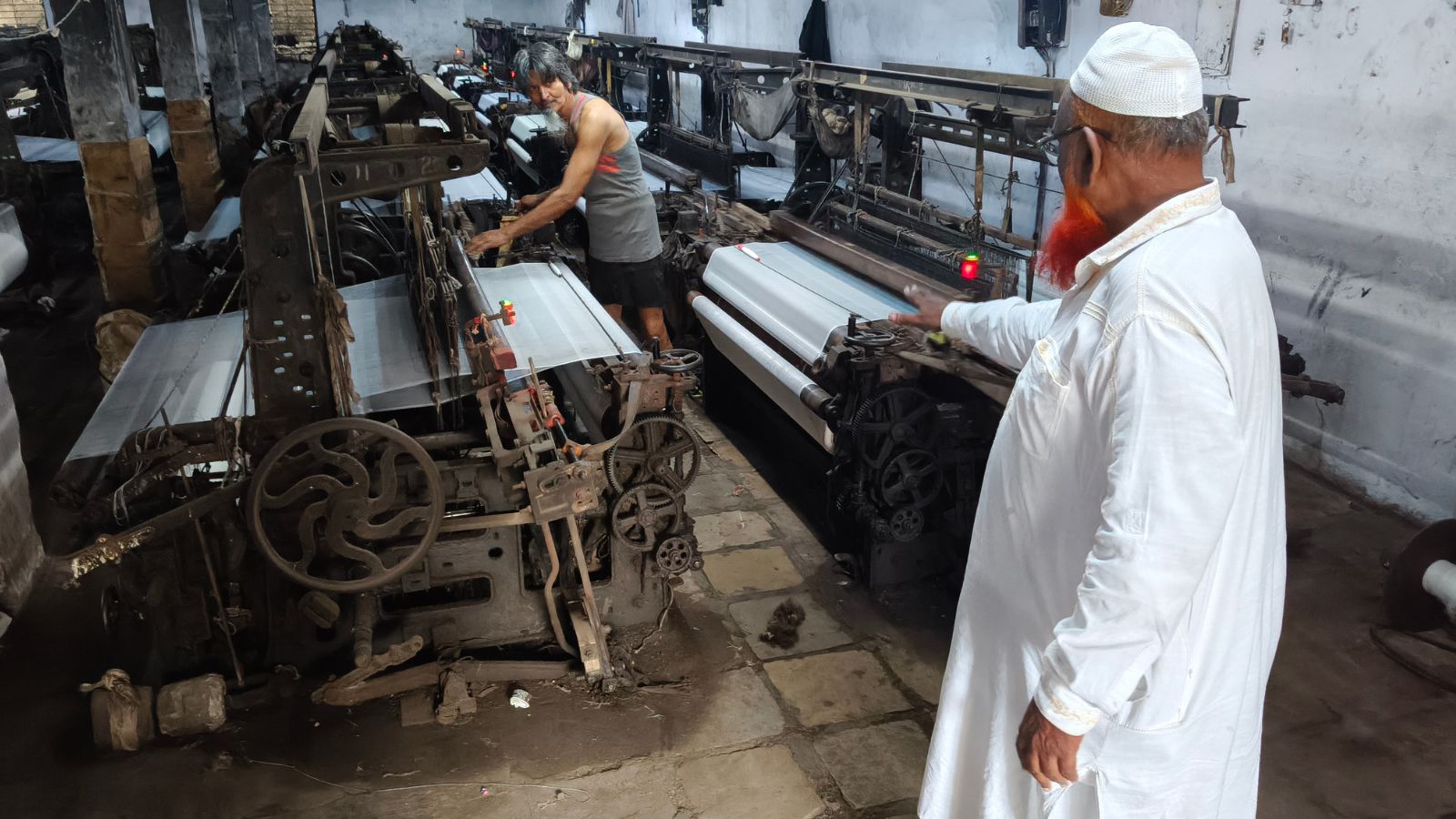
In Surat's Udhna suburb, an industrial hub for powerloom units, textile weaver Kesarali Peerzada has operated a factory called Mallika Textiles for over a quarter of a century. His facility features 48 powerloom machines, machines for spinning yarn into thread and a warping machine, employing 25 workers. The surge in operational expenses, Peerzada explains, stems from the West Asia conflict and the subsequent Liquefied Petroleum Gas (LPG) shortage, which led workers to return to their home states in Bihar, Uttar Pradesh, Jharkhand, Odisha, and West Bengal.
At the height of the crisis, Udhna railway station was filled with migrants, numbering over 20,000 people, who spent nights on the platform with their belongings. Peerzada, a commerce graduate, noted that while crude oil prices have slightly decreased, partially-oriented yarn (POY) prices remained unchanged, currently at Rs 180 per kilogram compared to the previous Rs 140-150 range.
This lack of regulation in yarn pricing, controlled by a conglomerate of large players, further exacerbates the issue. Additionally, DGVCL (Dakshin Gujarat Vij Company Limited), the state power distribution company, increased tariffs from Rs 7.30 to Rs 9.15 per unit. Traders, processing the grey fabric, have resisted paying higher rates, causing grey fabric bales to drop slightly from Rs 13 to Rs 12.80 per metre.
Verma, a worker who migrated from Uttar Pradesh to Surat, earns Rs 1.95 per metre after his return, reflecting the impact of the LPG shortage on his income.
Written by urgent.news from The Indian Express's reporting — not their text. Machine-written — may contain errors; check the original before relying on it.