Japan must reckon with how it views foreign workers
Japan will substantially raise its fees for residence permits next month. Depending on the period of stay applied for, renewing or changing one’s residency status could cost as much as ¥75,000 (US$480). The application fee for permanent residency will rise to ¥200,000 from ¥10,000. The government is also tightening the requirements for permanent residency. Applicants are already expected to be…
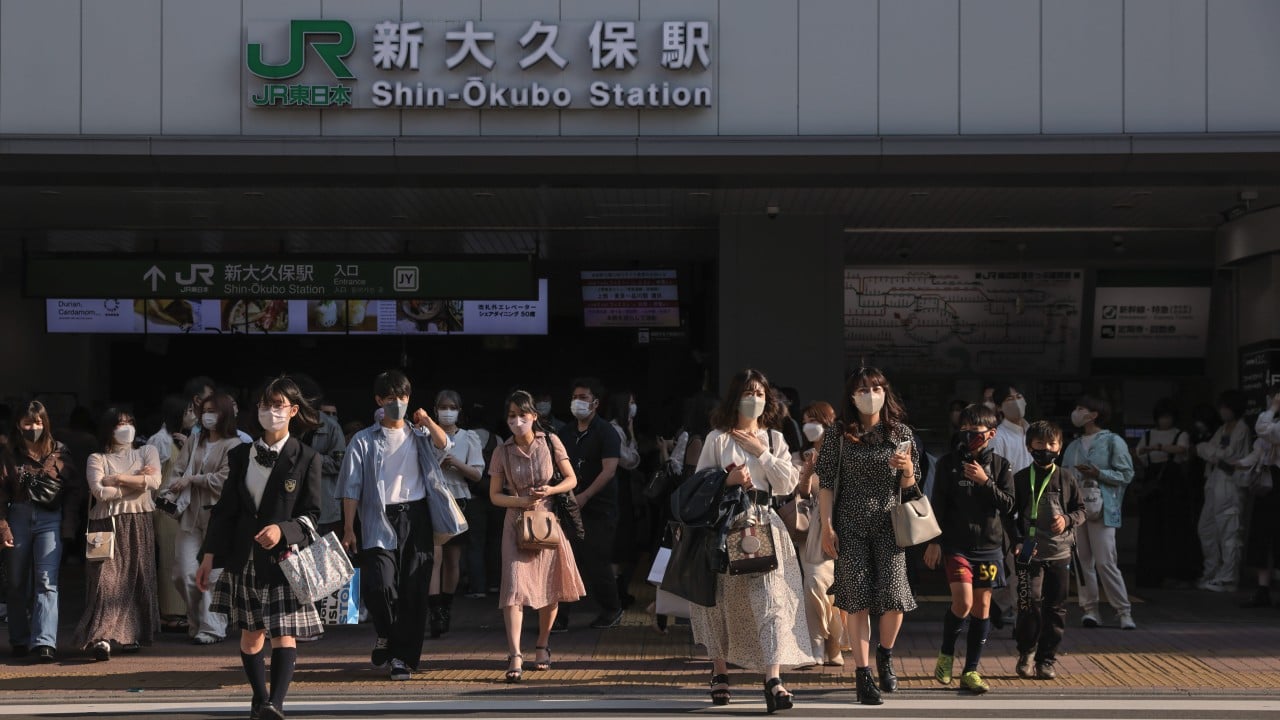
Japan will increase fees for residence permits and tighten criteria for permanent residency later this month, signaling a shift in how the country views foreign workers. The fees, which already range from ¥10,000 to ¥200,000 depending on the length of stay, could impose a significant financial burden on foreign workers. These workers, who now make up over half of new labor force additions, could face higher costs and stricter requirements to stay in Japan.
The changes may disproportionately impact low-income workers and those in unstable employment, as well as smaller businesses that may need to cover the costs. While the government claims the revenue will help fund immigration administration and measures supporting integration, recent opinion polls suggest a growing public reluctance towards foreign workers.
Japan's foreign labor policy faces a fundamental question: are foreign workers merely temporary contributors to address demographic decline and labor shortages, or are they intended to become permanent members of society?
Written by urgent.news from South China Morning Post's reporting — not their text. Machine-written — may contain errors; check the original before relying on it.