It Is Not Coal That’s Missing, It Is The Train That Carries It
Recent reports of a coal inventory shortage affecting thermal plants, especially in Punjab, have caused enough distress. Coal stocks at thermal generators have fallen to nearly 27 million tonnes, enough for up to nine days of normal operations, below the recommended 19-day requirement. As of last week, the number of power stations facing critically low fuel reserves has grown to 58 from 46 in…
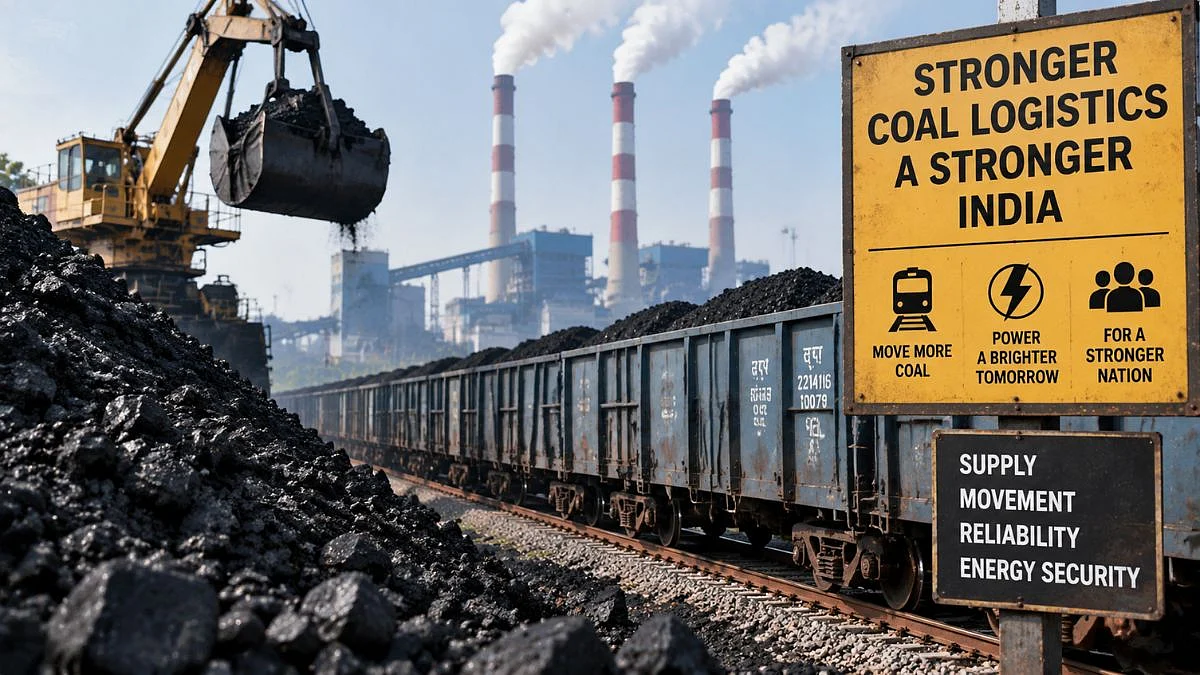
Reports of a coal inventory shortage impacting thermal power plants, particularly in Punjab, have raised significant concerns. Coal reserves at thermal generators have dwindled to approximately 27 million tonnes, sufficient for just nine days of normal operations, falling short of the recommended 19-day threshold. As recently as last week, 58 power stations were reported to be facing critically low fuel reserves, up from 46 in August.
While coal supply challenges have been acknowledged, the Ministry of Coal and Coal India claim that pithead stocks are adequate and that rail shipments are being increased to alleviate the deficit. The heart of the issue lies in the logistics of coal distribution. Despite coal production and inventory figures that appear promising - with Coal India holding 76 million tonnes in reserves and production increasing by 6.7 percent year-on-year - the power sector is receiving only half the trains it requires, indicating that the problem lies in transportation rather than mining.
This recurring issue has been a concern for the past five years, with monsoons frequently cited as the cause of dwindling stocks. However, the failure to plan for severe monsoon conditions has consistently been overlooked. The Coal Ministry is currently providing supplies in excess of contracted amounts and is transporting coal via road at a premium, a reactive measure rather than a planned strategy.
Other underlying issues remain unresolved. In April and July, power demand surged nearly 10 percent, peaking at a record 171 billion units in July alone. Despite rainfall being 12 percent below average, thermal plants were forced to operate at higher capacities, leading to increased maintenance requirements. The Power Ministry has now requested a deferral of maintenance due to the ongoing crisis, risking potential breakdowns and exacerbating the situation.
The coal transport infrastructure needs urgent expansion, particularly to accommodate peak monsoon dispatches. Meanwhile, road transport should be established as a contracted option with fixed pricing. The gravity of the situation is palpable, but the government cannot afford a catastrophic failure such as a power grid collapse.
Written by urgent.news from Free Press Journal's reporting — not their text. Machine-written — may contain errors; check the original before relying on it.