Iran threatens ‘more intense’ response as clashes with US escalate
TEHRAN, Sept 7 — Iran’s top negotiator yesterday threatened a more forceful response to any further US attac...
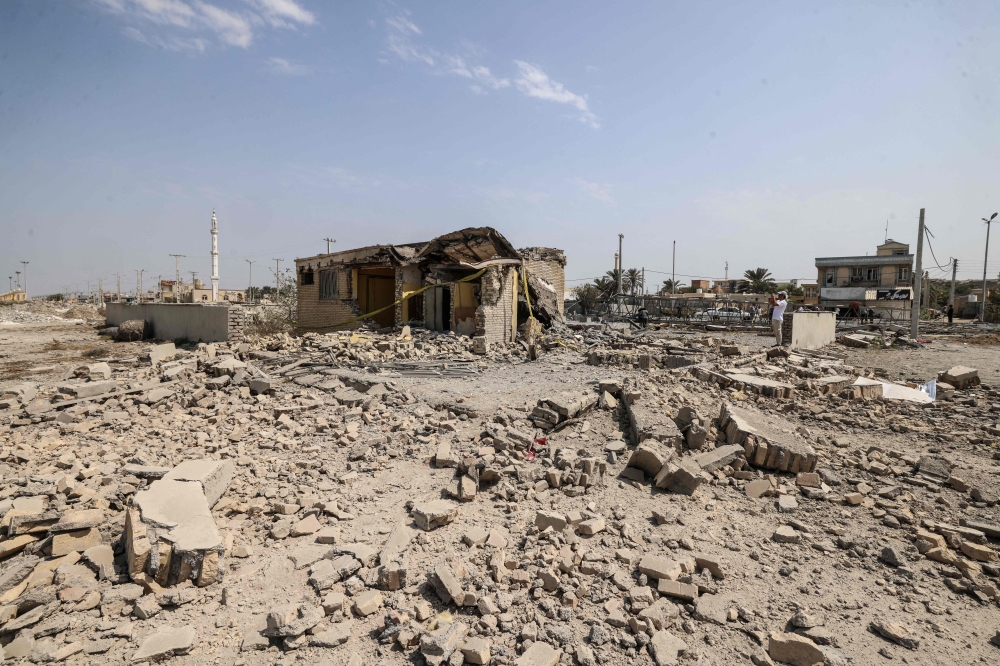
TEHRAN, September 7 — Iran’s chief negotiator has warned of a more intense response to any future US attacks, following a recent escalation in clashes between the two nations. The confrontations, which originated from US raids last week, come amid a prolonged stalemate in the six-month-long conflict. Tehran has enforced its control over the vital Strait of Hormuz, while Washington persists in its counter-blockade of Iranian ports and economic sanctions aimed at forcing Iran into submission.
Iranian parliament speaker Mohammad Bagher Ghalibaf, who has served as chief negotiator in the efforts to end the war, declared on Sunday that the "era of proportionate responses has come to an end." He stated that any aggression against Iran's interests and security would now face a "faster, more intense, and more painful response."
In addition, Iran's top security chief announced the establishment of a "prohibited zone" near the Strait of Hormuz in the coming days. This zone, which would begin from the US Navy's blockade line and encompass parts of the Persian Gulf, would result in any vessel entering it being added to Iran's sanctions list. On Saturday, US Central Command reported that Iran had unsuccessfully attempted to shoot down two American warships, including an aircraft carrier and a destroyer.
In retaliation, the US targeted three oil tankers associated with Iran's Revolutionary Guards (IRGC), which the military described as part of a multibillion-dollar network funding the IRGC and its proxies. Iran swiftly responded by claiming to have targeted three oil tankers and three vessels linked to the United States in other areas, warning ships not to use unauthorized routes in the Strait of Hormuz.
However, US Central Command dismissed these claims as "a complete lie." US officials have attempted to minimize the significance of the six-month conflict, with Vice President JD Vance describing it as "small potatoes" for the United States. Iranian officials, however, have remained steadfast, and US Energy Secretary Chris Wright suggested that Iran is attempting to "cling on to power" as its nuclear program nears an end and its military capabilities diminish.
Written by urgent.news from Malay Mail's reporting — not their text. Machine-written — may contain errors; check the original before relying on it.