How to Read the Room
Everyone gets told to read the room. Almost no one gets taught how, writes Pamela Meyer.
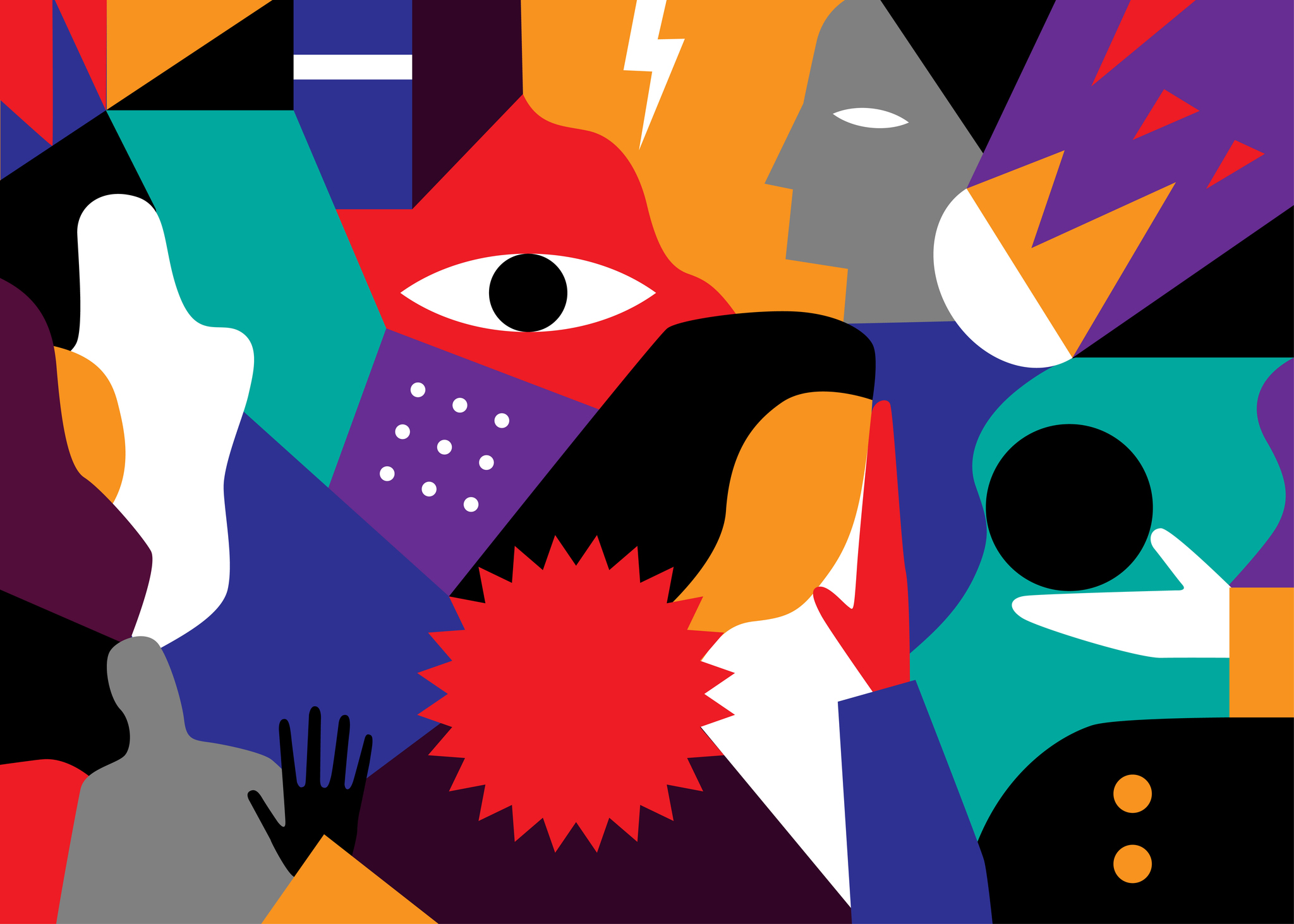
Every room holds a hidden conversation beneath what is immediately visible. This underlying vibe, temperature, and unspoken behavior provide instant data, but only when you can interpret it. Scientists across neurology, psychology, anthropology, and linguistics have long sought to understand the intricacies of human interactions to decipher these subtle cues.
Over the past decade, I have been teaching others how to spot these invisible signals, identify power dynamics, detect decision-making factors, spot individuals who have already made up their minds, and discern who is lying. These are essential skills for reading a room, and they are all learnable. To improve your ability to do this, follow these science-based methods: Clear your mind to get an accurate read.
Your mood significantly impacts your judgment, and cognitive load can distort your perception. Research shows that happy individuals tend to predict positive outcomes and underestimate potential risks. Conversely, stressed minds may perceive hostility in neutral situations. According to Australian psychologist Joseph Forgas, emotion and strain limit the cues we can perceive and process, leading to misinterpretations.
When your mind is overwhelmed with personal stressors, you may misread neutral interactions as insults or dismissive behavior. Before attempting to understand others' behavior, assess whether your own mental state is influencing your perception. Manage what you transmit. Group dynamics and atmosphere play a crucial role in shaping behavior.
Yale neuroscientists found that watching emotionally charged content can synchronize the emotional states of strangers within 850 milliseconds. This synchronization is strongest during positive moments, suggesting that positive emotions are more easily transmitted unconsciously. Your emotional state can also influence those around you, potentially causing others to behave more nervously or interrupt more frequently when you appear anxious or angry.
In contrast, a calm demeanor can help restore equilibrium and promote rational thought. To optimize group intelligence, observe the dynamics within the room. Are certain individuals dominating the conversation? Are others being overshadowed or ignored? Effective communication, open-mindedness, and equal participation are key indicators of a strong group.
Watch for patterns in body language rather than relying on single gestures. While common assumptions may exist about behaviors like avoiding eye contact or fidgeting, these gestures should be evaluated in context. For example, a person who taps their foot or plays with a pen might simply be exhibiting a normal nervous tic. The true meaning emerges when their behavior changes from their usual baseline, particularly under specific circumstances.
Instead of asking "What does this gesture mean?" ask "What does this gesture mean in this situation, from this individual, and under these conditions?" By observing these subtle cues and understanding the context, you can gain a deeper understanding of the room's dynamics and improve your interpersonal skills. This skill, combining social observation and emotional intelligence, can lead to more effective communication and open up new opportunities.
Written by urgent.news from Time's reporting — not their text. Machine-written — may contain errors; check the original before relying on it.