How generative AI helps SenseTime turn a profit even as Chinese peers struggle
Chinese artificial intelligence pioneer SenseTime is carving a unique path to profitability by steering away from a blind chase for model size, focusing instead on helping clients complete enterprise tasks, executives from the firm told the South China Morning Post. Speaking after the firm reported a net profit of 617.3 million yuan (US$92.0 million) for the first half of 2026 last week,…
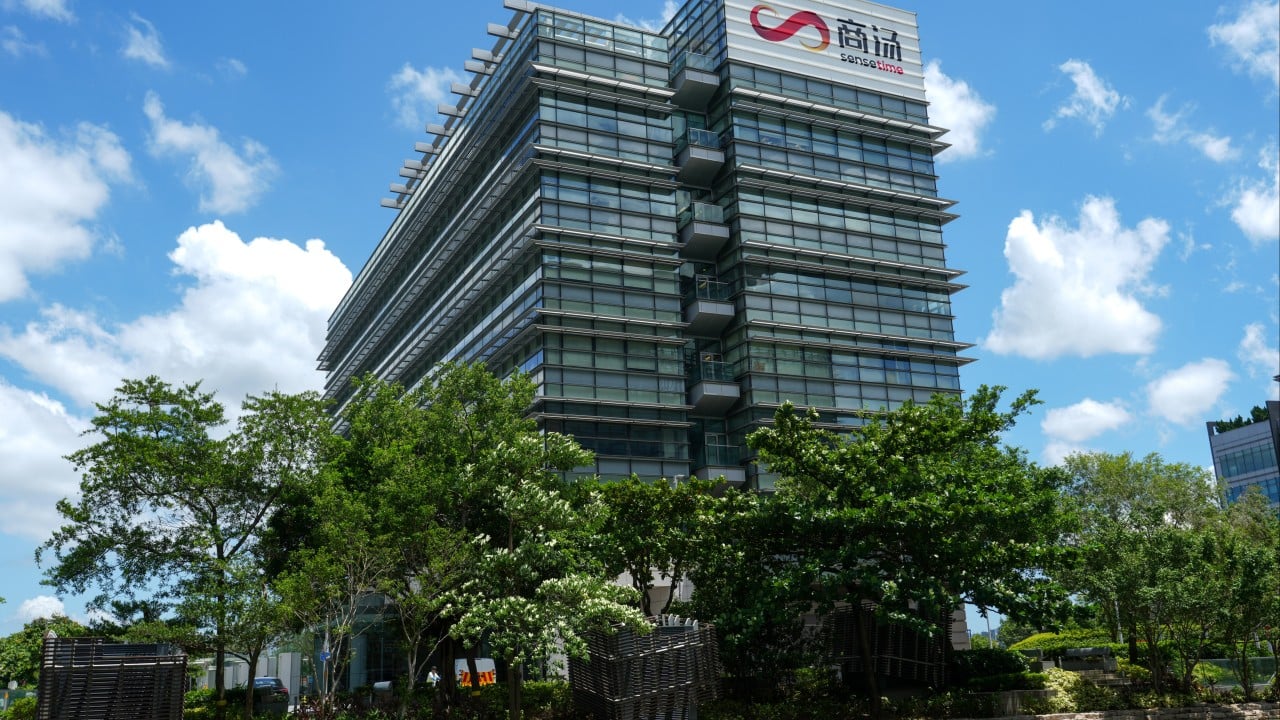
SenseTime, a leading Chinese artificial intelligence company, has turned a profit in the first half of 2026 despite many of its domestic peers still struggling financially. CEO Xu Li and CFO Wang Zheng revealed at a recent press conference how the company's focus on AI productivity tools and solo entrepreneurs has contributed to its sustainable business model.
Revenue rose 23.4% year-on-year to 2.91 billion yuan, marking SenseTime's first-ever first-half profit under International Financial Reporting Standards since listing in Hong Kong in 2021. This performance stands in stark contrast to other Chinese AI companies, MiniMax and Z.ai (also known as Zhipu AI), which both reported triple-digit revenue growth but remain loss-making.
The turnaround is largely attributed to the rapid monetisation of generative AI, which contributed nearly 80% of total group sales at 2.33 billion yuan. Recurring revenue surged 124.4% year-on-year to 1.14 billion yuan, representing nearly 40% of sales. SenseTime's AI agents are now penetrating frontline business units and solo entrepreneurs, aligning with an industry shift from charging for raw computing power to pricing for finished tasks.
Gross profit margin for the first half exceeded expectations at over 41%, and CFO Wang expressed confidence that the financial improvement would be sustainable. SenseTime has served a daily average of 2.4 trillion tokens in July and is building what it describes as the city's largest domestic AI computing centre in the Hong Kong Science Park, targeting 40,000 petaflops of compute capacity by 2030.
The company is also expanding its infrastructure using a flexible mix of asset-heavy and asset-light models, with an investment strategy that may become slightly more aggressive given "quite ideal" returns on compute. Despite short-term market anxiety, CEO Xu dismissed these concerns and reiterated the company's focus on breaking through limits in model intelligence rather than simply expanding parameter scale.
Written by urgent.news from SCMP Business's reporting — not their text. Machine-written — may contain errors; check the original before relying on it.