Hong Kong’s yuan pool is growing. Can it turn liquidity into global demand?
Hong Kong’s top financial regulators have urged local banks to make greater use of the city’s growing pool of offshore yuan liquidity, while also flagging the need to prepare for a coming wave of autonomous AI systems used in the financial sector. Speaking at the Hong Kong Association of Banks (HKAB) Distinguished Speaker Luncheon, Eddie Yue Wai-man, chief executive of the Hong Kong Monetary…
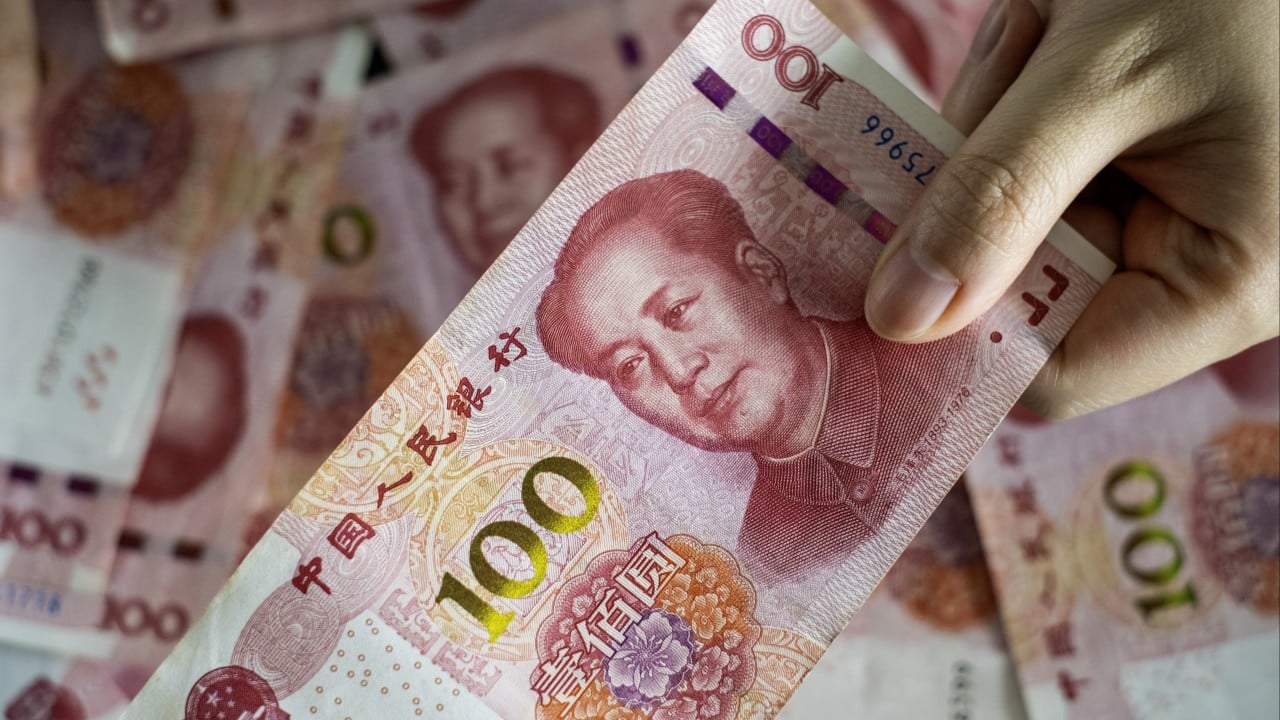
Hong Kong's financial authorities are pushing for banks to utilize the city's expanding offshore yuan liquidity pool, while also anticipating a rise in autonomous AI systems within the financial industry. At the Hong Kong Association of Banks (HKAB) Distinguished Speaker Luncheon, Eddie Yue Wai-man, the chief executive of the Hong Kong Monetary Authority (HKMA), encouraged banks to utilize their international networks to extend the Chinese currency's global presence.
"We want your bank to use your global network to help us channel all this renminbi liquidity to the world," Yue stated.
Regulators are open to eliminating the funding cap on Hong Kong's yuan liquidity facility if demand continues to grow. The facility, which currently operates under a 500 billion yuan (~$74.5 billion) quota, has been expanded from 200 billion yuan in July. Yue emphasized that there would be no cap on the facility's quota, which could be expanded as demand increases and existing capacity is fully utilized. He also urged lenders to report operational issues and client difficulties to refine the system.
The move comes as yuan-denominated transactions make up around 30% of China's total trade settlements, a significant increase from 13% in 2019, according to a Goldman Sachs report in May. This shift has been accompanied by a surge in dim sum bonds – yuan-denominated bonds issued in Hong Kong – and offshore Chinese government bonds.
However, Julia Leung Fung-yee, the chief executive of Hong Kong's Securities and Futures Commission (SFC), cautioned that wider international use of the yuan could be hindered unless financial institutions develop a wider range of yield-bearing and risk-hedging products. She stressed the need for a more robust and comprehensive renminbi ecosystem, stating that if foreign companies only swap back into US dollars, there would be no point in internationalizing the currency.
Leung also mentioned that the SFC is technically prepared to extend Hong Kong's dual-counter stock trading model to Southbound Stock Connect flows, allowing mainland investors to buy and settle Hong Kong-listed shares directly in yuan. Additionally, HKEX's five-year China Government Bond futures contract, launched in August, serves as a new hedging tool.
During the panel discussion, moderated by HKAB chairman and Bank of China (Hong Kong) chief executive Sun Yu, the conversation also touched on how AI and other financial technologies were transforming the sector. Sun highlighted the impact of fintech developments and Beijing's "AI Plus" initiative, now a top national priority under the 15th five-year plan, on the city's wealth management and capital markets.
Leung noted that the SFC was considering further regulatory guidance for financial firms deploying "agentic" AI systems – software capable of executing complex, multi-step tasks with minimal direct human intervention. On the banking side, the HKMA chief revealed that the monetary authority is collaborating with the Bank for International Settlements Innovation Hub, the UK's Financial Conduct Authority, and the Saudi Central Bank to develop an AI explainability toolkit. Testing for the toolkit is set to begin in the next quarter.
Written by urgent.news from SCMP Business's reporting — not their text. Machine-written — may contain errors; check the original before relying on it.
This story
This is one outlet's version. Read the fullest account.