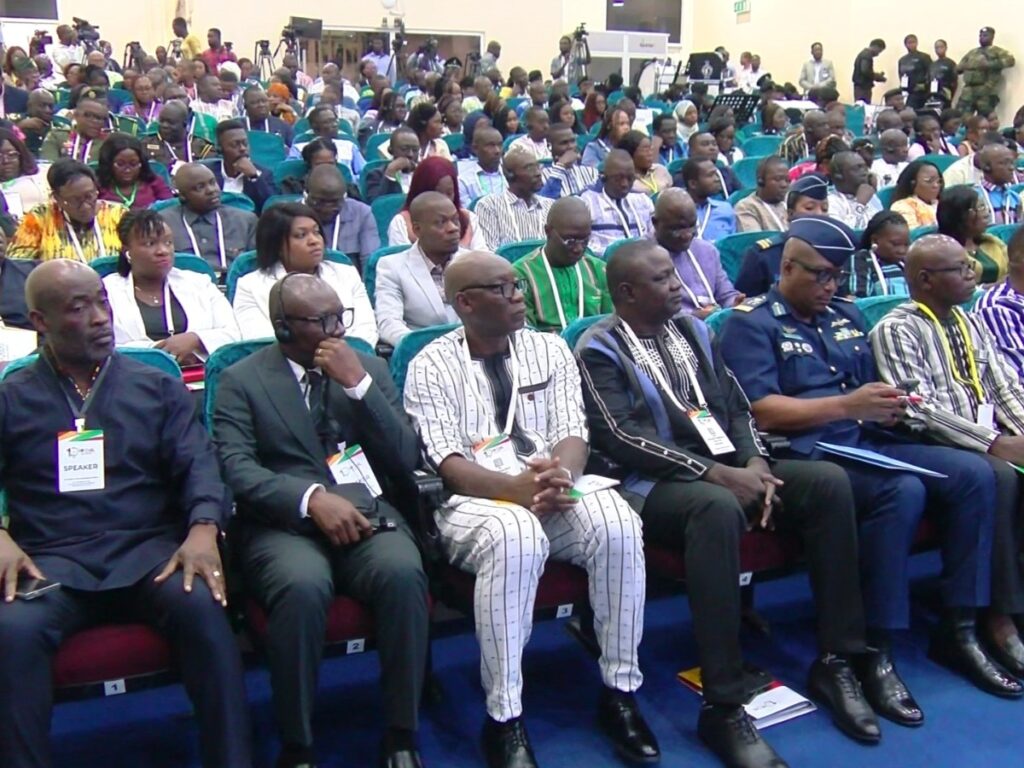
Ghana, Uganda deepen upstream petroleum cooperation through peer learning
The two sides also discussed the need to attract investment, manage petroleum resources efficiently, maintain strong environmental and safety standards and respond to changes in the global energy landscape amid the ongoing energy transition.
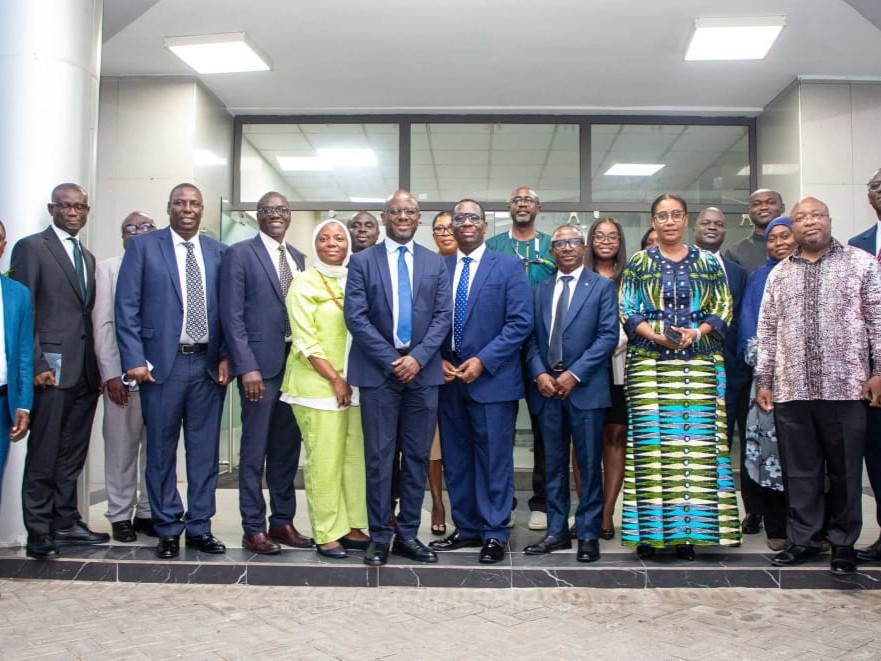
Ghana and Uganda are enhancing their collaboration in the upstream petroleum sector through a peer-learning exchange. Regulators from both nations gathered to share insights and bolster their regulatory capabilities. The Petroleum Commission organized the Board of Directors of Uganda's Petroleum Authority for this high-level dialogue.
The meeting's chief executive, Emeafa Hardcastle, emphasized the significance of both institutions learning from each other's experiences to enhance petroleum governance. Ghana has shared its journey from exploration to commercial production, highlighting aspects such as the legal framework, expenditure oversight, health and safety, environmental standards, and local content development.
Hardcastle stressed that local content is crucial to Ghana's strategy, ensuring citizens and businesses benefit significantly from the industry. Ernest Thompson, Chairman of the Petroleum Commission, highlighted the critical need for African regulators to learn from one another as the sector faces complex challenges. He commended Uganda's progress and the country's advancements in upstream petroleum projects, noting Ghana's shared experiences in onshore resource management, community engagement, and environmental safeguards.
Uganda's Board Chairman, Prof. Vincent Bagire, expressed enthusiasm for the exchange, emphasizing the value of learning from Ghana's experience and sharing Uganda's lessons as the nation prepares for first oil production. The Ugandan delegation aimed to learn, share, and build a lasting relationship. During the meeting, Ghana provided technical presentations on its legal and regulatory framework, policy, institutional arrangements, upstream operations, local content development, and health, safety, and environmental management.
Interactive discussions followed, focusing on practical challenges and approaches to regulating upstream petroleum activities. Both sides discussed attracting investment, managing resources efficiently, maintaining environmental and safety standards, and adapting to the evolving global energy landscape. The engagement concluded with a commitment to deepen cooperation and ongoing knowledge exchange, aiming to ensure their petroleum resources contribute meaningfully to national development.
Written by urgent.news from MyJoyOnline Ghana's reporting — not their text. Machine-written — may contain errors; check the original before relying on it.
This story
This is one outlet's version. Read the fullest account.