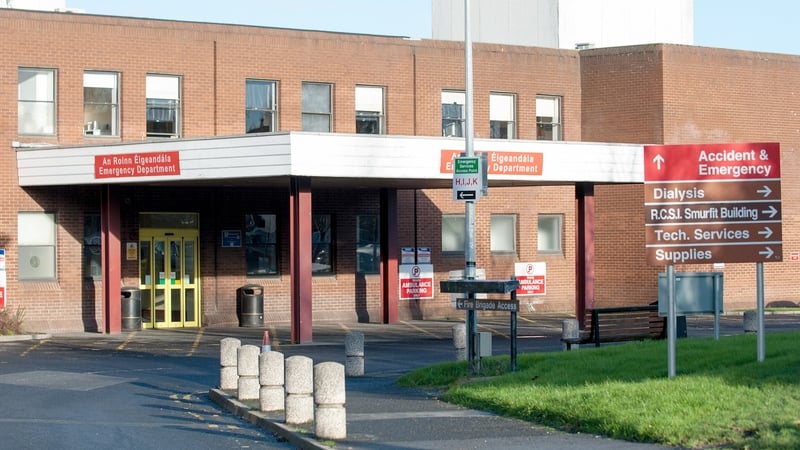
Germany plans “Cyberdome” and mobile anti-drone units after Leipzig airport sabotage attempt
Germany’s Interior Ministry is preparing a package of measures to protect the country from Russian drone attacks, computer network intrusions, and acts of sabotage, according to a Bild report citing Interior Minister Alexander Dobrindt. The measures are being developed following an attempted attack at Leipzig/Halle Airport in early August, which Berlin has blamed on Russia. Dobrindt’s plan calls…
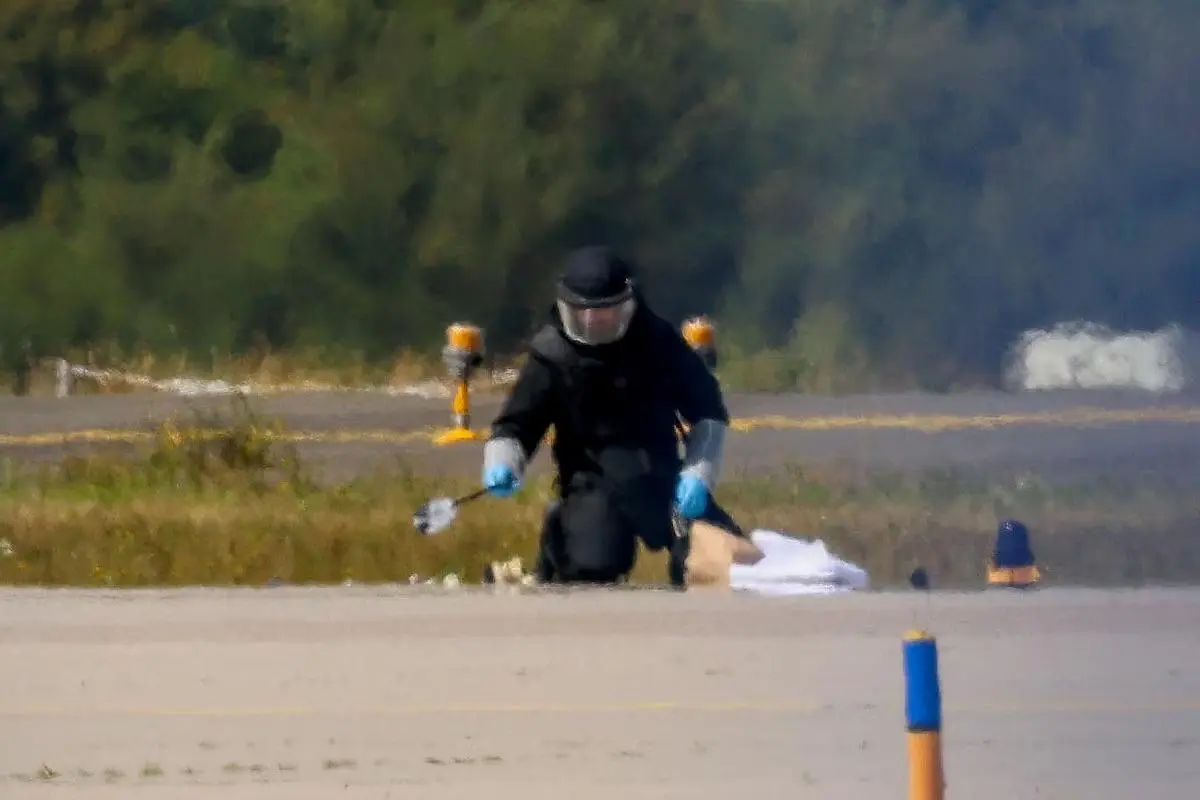
Germany is set to implement a series of measures to safeguard against potential drone attacks, computer intrusions, and sabotage, as reported by Bild. These steps follow an attempted sabotage at Leipzig/Halle Airport in early August, which authorities suspect was orchestrated by Russia. Interior Minister Alexander Dobrindt has outlined plans to enhance the federal police's mobile anti-drone units, deploying them to key locations such as Frankfurt, Munich, Hamburg, Berlin, Stuttgart, Düsseldorf, Leipzig, Hanover, and Cologne.
These units will not only combat drones but also defuse bombs and protect major transport hubs like airports and train stations. In addition, critical infrastructure operators like water and energy companies, as well as defense plants, will be empowered to counter drones independently, equipped with the authority to detect and repel attacks.
Furthermore, the German government aims to bolster its security infrastructure by integrating artificial intelligence, facial recognition technology, and video surveillance in key locations. These technological advancements will aid in identifying individuals involved in potential attacks or espionage activities. To counteract cyber threats, the authorities plan to establish a national system dubbed "Cyberdome," described by Bild as a network of digital sensors designed to detect and repel cyberattacks.
Early in August, Leipzig/Halle Airport briefly halted operations following the discovery of a drone near a Ukrainian An-124 transport aircraft. A second cargo plane was rerouted to Hanover due to the closure and collided with an unidentified object near Leipzig, sustaining damage to its front end upon landing. Investigators later identified two suspects who may have been involved in the preparations for the attack: a Russian-born individual with a Latvian passport and a Belarus-born man with a Russian passport.
German investigators suspect the former individual was responsible for logistics and acting as an instructor, while the latter was identified through DNA traces found on both the drone and an antenna near the airport. In total, three drones were discovered at the scene, either intact or in pieces. Shortly after the incident, on September 1, the German government formally accused Russia of orchestrating the attack, citing evidence from its police investigation and intelligence findings.
In response, Berlin announced plans to close Russia’s consulate general in Bonn, terminate an agreement governing the Russian House cultural center in Berlin, and tighten entry controls for Russian citizens. Russia rejected these accusations, labeling the incident as a "provocation." On August 28, a coalition of Baltic Sea bordering European countries announced plans to establish a task force to combat drones and other hybrid threats.
The initiative, announced during a meeting in Flensburg, aimed to ensure swift information sharing and counter the increasing number of drone sightings near European airports and sabotage incidents involving undersea cables and gas pipelines.
Written by urgent.news from The Insider's reporting — not their text. Machine-written — may contain errors; check the original before relying on it.