Gas crisis divides industry amid claims culprit getting away 'scot-free'
Cracks are appearing in the facade of the gas industry's solidarity and all fingers are pointing towards one player.
In May 2017, Peter Coleman, the then CEO of Australia's largest oil and gas company Woodside, gave a speech at a Perth convention center. He pointed out that the gas industry had lost public trust as it was being seen as unreliable and unaffordable. Coleman felt that the public was justified in expecting reasonable returns in tax payments as they owned the resources. He later admitted that the speech had made him a social outcast.
However, Coleman can't regret making the comments as they have turned out to be accurate. The past decade has been a challenging one for the image of Australia's gas industry, especially on the east coast. While overseas gas prices have soared, domestic prices have also risen, causing trouble for both manufacturers and electricity consumers.
To try and end the turmoil, the federal government is proposing a national reservation scheme under which exporters would have to set aside 20% of their annual production for the local market. Several major players in the industry are cautiously backing this move, primarily due to their frustration with one specific player.
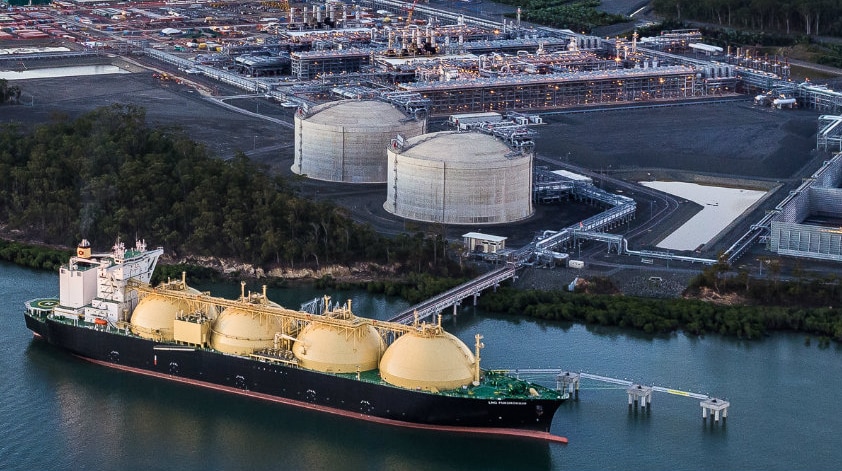
Santos' GLNG project is at the center of this issue. It was one of three major plants set up on Queensland's Curtis Island, converting coal seam gas into LNG for overseas export. Only two of these plants had enough gas to meet their overseas commitments and supply domestic customers. The GLNG project is in a precarious situation, having only enough gas to meet its long-term LNG contracts and not enough to supply local consumers. In fact, it needs to purchase gas from the domestic market to fulfill its overseas commitments.
Santos and its GLNG partners have taken a significant amount of gas, approximately 20% of eastern Australia's supplies since 2016, which would otherwise have been available to local users. This has sparked frustration among other Queensland exporters, particularly those that have been supplying the domestic market as intended.
Written by urgent.news from ABC News AU's reporting — not their text. Machine-written — may contain errors; check the original before relying on it.