Fresh-faced Tata Punch teased ahead of expected 2027 debut
Tata has only confirmed that the updated Punch will go on-sale "in the next 12 months".
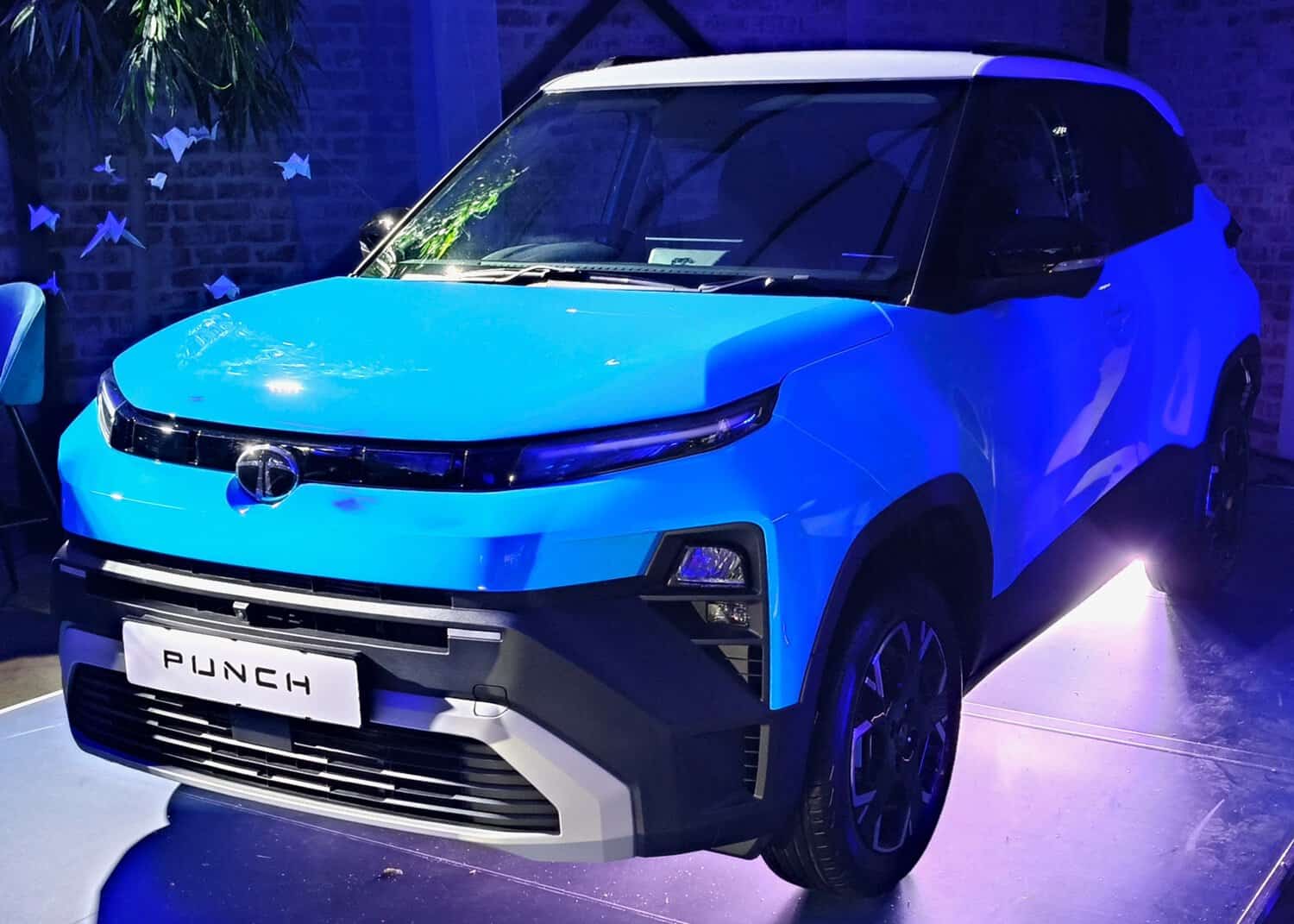
Following its return to South Africa in 2025, Tata unveiled a refreshed version of its Punch SUV at the end of last month. This is the second model to be shown, with the new Sierra under the Styzor nameplate being the first. The Punch sits above the Tiago in the brand's lineup and below the Osprey, which is its flagship SUV. Despite being India's top-selling new vehicle in 2024, with over 200,000 units sold, the Punch received its first updates since hitting South African shelves five years ago.
The mid-life facelift includes a range of exterior enhancements, such as 16-inch alloy wheels, a revised front bumper, a restyled grille, new daytime running lights, and tweaked air intakes. These changes are complemented by several interior upgrades. These include a steering wheel adorned with an illuminated Tata logo, improved materials and fabrics, a new seven-inch digital instrument cluster, and a digitized climate control panel, starting from higher-end variants.
Other notable additions involve the inclusion of six airbags across all models, an eight-speaker sound system, a 360-degree camera display, and an upgraded wireless smartphone charging pad in select trim levels. Interestingly, Tata South Africa has not disclosed the engine options for the Punch but has hinted at the possibility of the 1.2-litre Revotron turbocharged petrol engine, or iTurbo, in future.
This engine, similar to the one seen in the Osprey, produces 88kW/170Nm of power, and will be paired with a six-speed manual transmission.
The current South African pricing for the Punch ranges from R224,900 to R319,900, depending on the model and trim level. However, once the facelift model arrives, expect a significant price increase. As with the Styzor, Tata has only confirmed that the official reveal date for the updated Punch will be announced within the next twelve months.
Written by urgent.news from The Citizen's reporting — not their text. Machine-written — may contain errors; check the original before relying on it.