Families of US soldiers navigate emotional roller-coaster
SINCE the United States went to war with Iran six months ago, Courtney Sanders has been helping soldiers’ families fill the gaps left by their loved ones.
Since the United States went to war with Iran six months ago, Courtney Sanders has been helping soldiers' families navigate the emotional roller-coaster of separation. The Chicagoland chapter head of Blue Star Families, Sanders leads the organization, which serves military families across the nation. Her daughters, both former US Navy personnel, have served overseas over the past six months, including time in the Middle East.
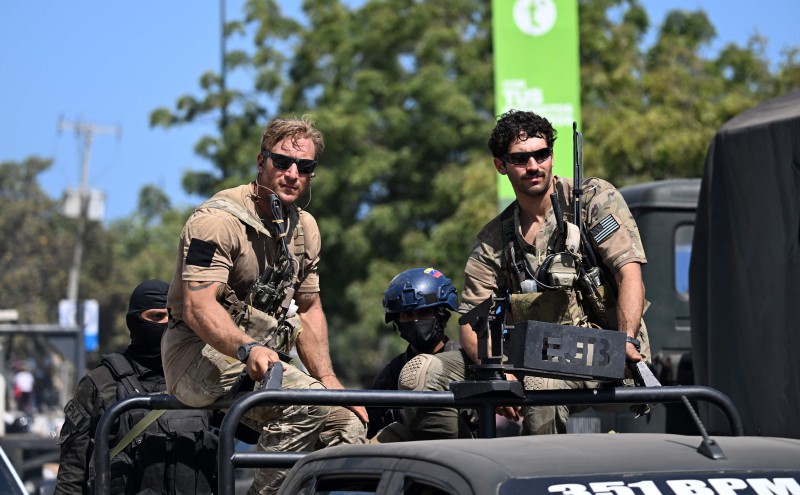
With over 50,000 US troops in the region and thousands more deployed to support the conflict, military families have faced a tumultuous emotional journey, with feelings of anxiety and uncertainty constantly at the forefront.
Eighteen US service members have been killed and more than 750 wounded during the war's intermittent fighting, shuttle diplomacy, and failed peace talks. Military families have experienced a roller coaster of emotions, with a sudden burst of stress followed by temporary relief, only to be struck again by the conflict's unpredictable nature. A recent Blue Star Families poll of over 200 active-duty military families in early March revealed that 81 percent reported heightened stress due to the Iran conflict.
To address these challenges, Blue Star Families has ramped up its programming, offering online resource hubs, webinars, and in-person meet-ups. They have also paired military spouses who are experiencing deployments for the first time with those who have gone through such experiences before. Unexpected deployment extensions have left some military families facing financial difficulties, especially National Guard members who often maintain civilian jobs when not deployed. These sudden income losses compound the emotional strain of separation.
The Pentagon acknowledged the families' concerns and pledged to provide the necessary resources, assistance, and stability during these trying times. Shannon, an Army spouse and mother of three in North Carolina, tries to avoid the news and political debate surrounding the war. Her husband deployed with little notice, and communication has been sporadic in the early stages. Nonetheless, Shannon's children began therapy over the summer, and Shannon continues to support them emotionally.
Pat, a Navy spouse in Virginia, has tried to keep life as normal as possible for her middle and high school children since her husband's deployment about five months ago. Neighbors have been helpful with children pickups and chores, and her family wears red on Fridays to show support for deployed service members. Although her husband has deployed before, this deployment has been more challenging due to the uncertainty surrounding his return. Despite the emotional toll, Pat's children remain resilient.
Written by urgent.news from New Straits Times's reporting — not their text. Machine-written — may contain errors; check the original before relying on it.