Energie: Warum die Industrie ihren Stromverbrauch kaum an den Markt anpasst
Wind- und Solarstrom machen eine flexible Stromnachfrage wichtiger. Vor allem die Industrie könnte einen erheblichen Beitrag zur Stabilisierung des Stromsystems leisten – und Kosten sparen.
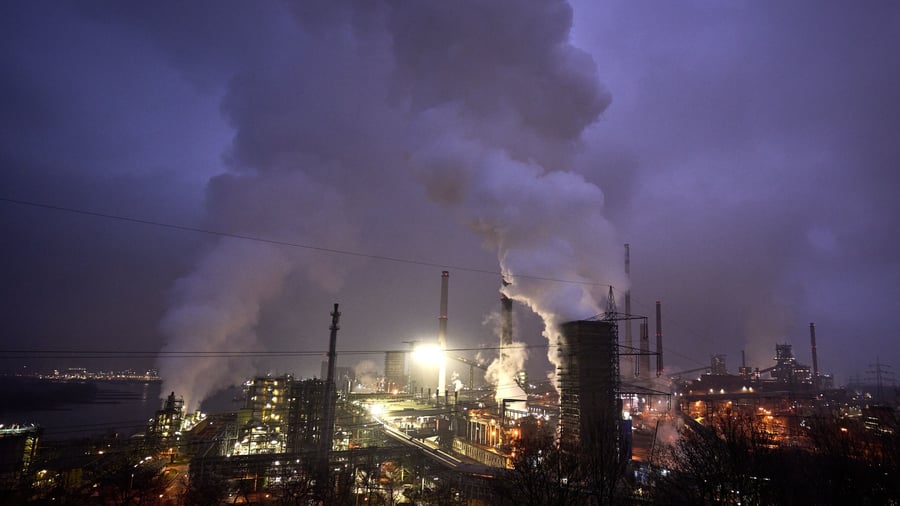
The energy industry in Germany is not effectively adapting its electricity consumption to the market, despite the growing significance of wind and solar power, according to a McKinsey study. Large industrial companies possess significant potential to reduce their consumption by up to seven gigawatts (GW) during peak times, which would lower the peak load from approximately 75 GW to between 68 and 70 GW.
McKinsey's research, based on interviews with over 20 industry professionals, reveals that multiple factors limit the potential for flexibility, including physical constraints, organizational barriers, and economic uncertainty. The study refers to this as a "implementation gap." The potential for energy flexibility in the industrial sector is directly related to plans for building gas-powered backup power plants proposed by Federal Economic Minister Katherina Reiche.
However, many companies struggle to adapt their production processes to renewable energy sources due to uncertainties. The current legal framework in Germany does not provide incentives for flexible consumption, favoring steady consumption to maintain favorable net energy fees. The Federal Network Agency aims to finalize the current system revision quickly, but the proposed future regulation, which would honor flexible consumption, is contentious.
Some industrial sectors argue they lack the ability to adjust their production processes to renewable energy generation.
Written by urgent.news from Handelsblatt's reporting — not their text. Machine-written — may contain errors; check the original before relying on it.