Do tech billionaires dream of shared abundance? We should probably just tax them
Democracy demands that citizens are treated equally under the law. The tax avoidance practices of the ultra-rich violate that principle, a new book argues.
On July 24, Elon Musk shared his vision of a future with "incredible abundance for all" during an interview with The Economist. He believes that within a decade, money for essentials like food, housing, and transportation will become overabundant due to advancements in AI and robotics. Musk suggests that work will become optional and that technological abundance will translate into social abundance, with everyone having a penthouse.
However, Musk's optimism is shared by other tech billionaires, such as Mark Zuckerberg and Marc Andreessen. They all express faith in the idea that technological advancements will lead to a more prosperous society. Yet, these accounts lack serious proposals for distributing the resulting abundance.
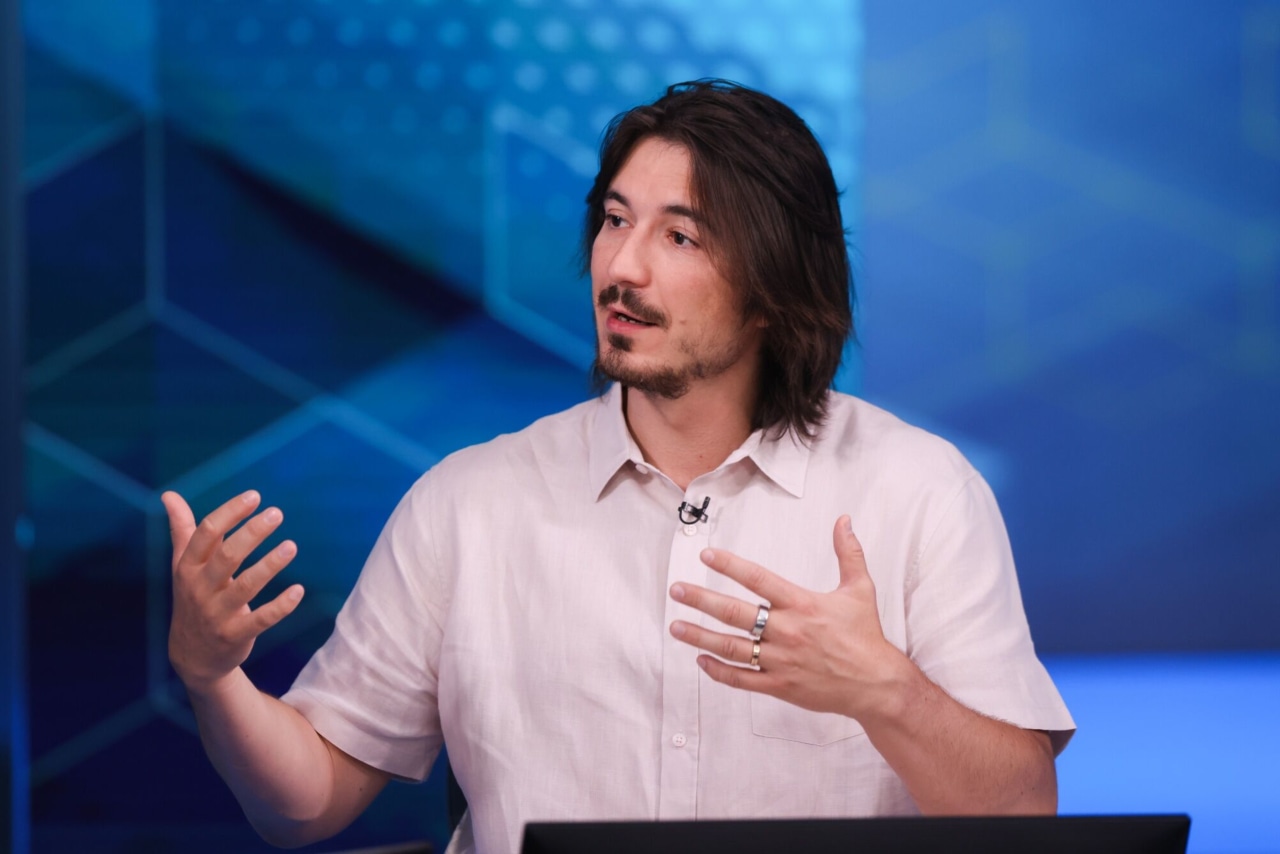
Economist Gabriel Zucman argues that while AI and technological progress are impressive, wealth will still be concentrated under the current political arrangements. Zucman, a professor at the Paris School of Economics, co-director of the World Inequality Lab, and one of the world's leading economists, contends that wealth does not distribute itself and will remain concentrated without proper taxation.
Zucman's book, "We Need to Tax Billionaires," provides a detailed analysis of how the ultra-rich use various techniques to minimize their tax obligations and maintain their privileged position. Through personal holding companies and unrealized capital gains, billionaires grow their fortunes without paying significant income tax. In France, for example, the effective tax rate for the ultra-rich is only 13%, while it is around 45% for working-class people and 50% for middle-class individuals.
Zucman concludes that billionaires are not fulfilling their responsibility to contribute fairly to society. He argues that global tax evasion has fueled rising inequality and government debt, leading to a loss of hope in a fairer society and the rise of reactionary political movements. To address these issues, Zucman advocates for taxing billionaires to ensure a more equitable distribution of wealth and resources.
Written by urgent.news from The Conversation AU's reporting — not their text. Machine-written — may contain errors; check the original before relying on it.