De la Espriella Moves to Prevent Power Rationing as El Niño Intensifies
Colombian President Abelardo de la Espriella has launched a preemptive strategy to protect the country’s electricity supplies as a potentially very strong El Niño threatens to put pressure on reservoirs, rivers, and the national power system. The government says it is acting before the climate phenomenon reaches its expected peak, rather than waiting for water […]
Colombian President Abelardo de la Espriella has introduced a proactive strategy aimed at safeguarding the nation's electricity supply before the anticipated peak of the powerful El Niño weather event. This move comes as the country braces for an unusually intense El Niño, which could severely impact reservoirs, rivers, and the national power system.
The decision to take action before the phenomenon reaches its peak was made to prevent the need for power rationing. The announcement follows the Colombian Institute of Hydrology, Meteorology and Environmental Studies (IDEAM), which predicts a 69% probability of the El Niño reaching "very strong" intensity during October, November, and December 2026, with a 90% chance of the conditions persisting into the first quarter of 2027.
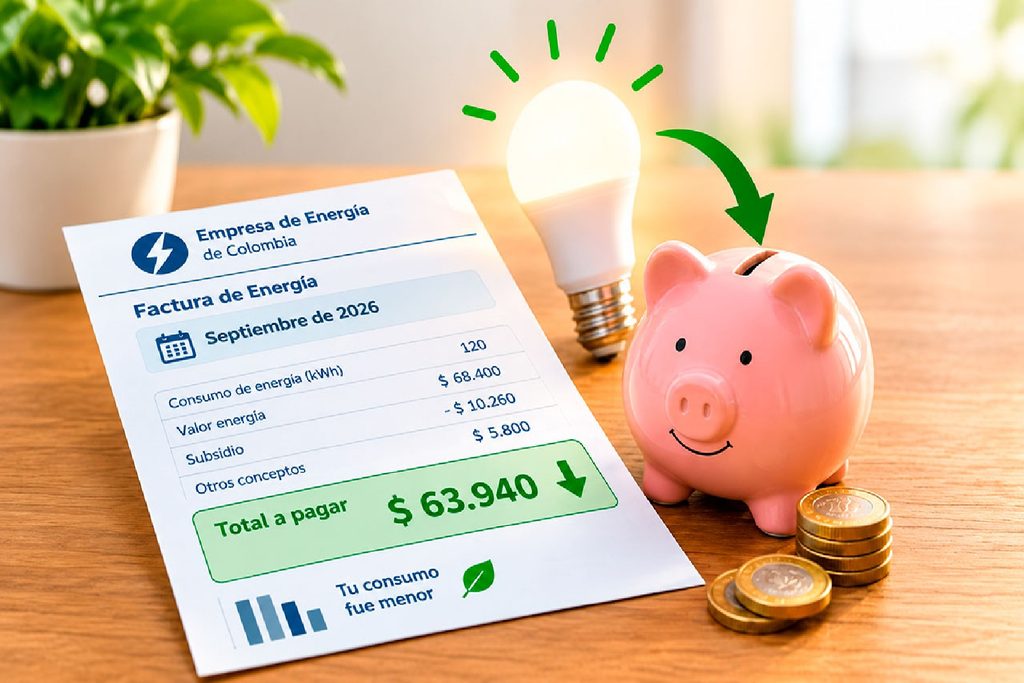
The President's plan to protect electricity supplies includes two key measures. The first, Plan Energia YA, is an incentive system that encourages households to reduce their monthly electricity consumption by more than 10% compared to an individual target. For those who succeed, they will receive a benefit on their bills. Conversely, if consumption exceeds the target by more than 10%, an additional charge will be applied.
This incentive program is exempt for households in municipalities affected by recent earthquakes. The second measure focuses on ensuring the availability of thermal generation when hydroelectric production faces pressure. This is crucial since drought can lower river flows and reservoir levels, thereby restricting the amount of hydropower Colombia can generate.
The government aims to ensure thermal generation during the summer while preserving water stored in reservoirs, with particular attention to regions like the Caribbean and Choco that are considered highly vulnerable to the effects of the dry season.
Addressing water rationing is another significant concern. The President's administration has instructed officials from the start of his term to protect national reserves of water, gas, and energy while strengthening infrastructure to withstand reduced rainfall. Unlike the electricity strategy, which includes a nationwide program with specific consumption targets similar to the 10% electricity goal, no nationwide water-rationing avoidance program has been announced yet.
The threat to water supplies varies across the country, and the immediate challenge for the government is to prevent a chain reaction that could result from less rain: reduced water levels leading to less hydropower, greater reliance on thermal plants, and potentially higher electricity costs. The strategy is based on the belief that early action, such as encouraging consumers to save electricity, protecting reservoir reserves, and securing alternative generation, can prevent the situation from turning into a nationwide crisis.
As El Niño intensifies through the end of 2026, the effectiveness of this strategy in keeping Colombia's lights on and water flowing without the need for widespread rationing will be closely monitored.
Written by urgent.news from Colombia One's reporting — not their text. Machine-written — may contain errors; check the original before relying on it.