Corkboards, Beat Sheets, and Reverse Outlines: Choosing the Right Structure for AI Filmmaking
Beat sheet, corkboard, or reverse outline: how to pick a story-structure method before you spend a single AI generation on the wrong scene.
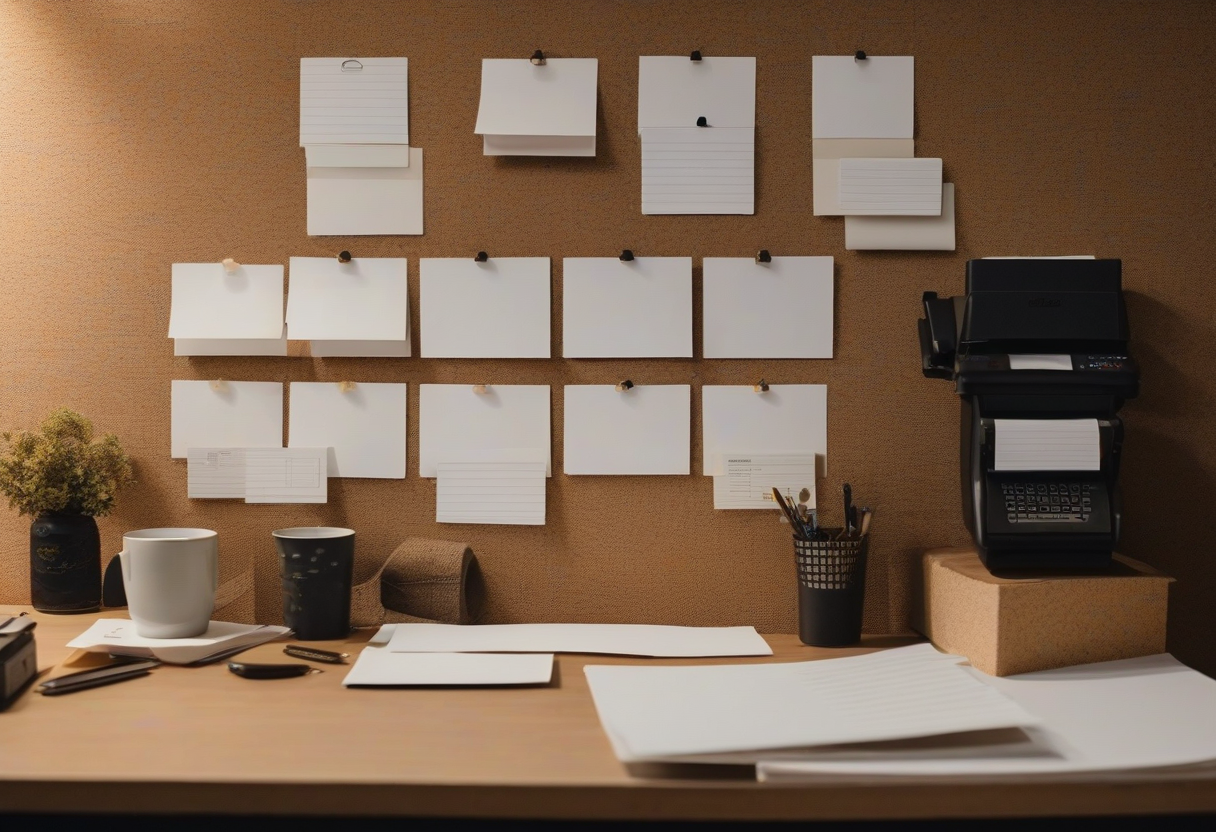
Three main ways exist to outline a story: beat sheet, corkboard, and reverse outline. AI filmmakers should default to the corkboard method as it reveals structural problems before costly mistakes occur. A beat sheet outlines what must happen, while a reverse outline reveals what was actually written. The corkboard method stands out as it shows the overall shape while changing costs nothing.
The corkboard's advantage lies in exposing structural issues before generating any AI-generated content. This single feature makes it most suitable for AI filmmaking compared to traditional methods. To run a corkboard outline for an AI short, create one card per scene, including AI-specific variables like location and visual consistency.
Place all cards in order before generating anything and discard any scene that doesn't contribute to the story. This ensures only essential scenes are produced, saving time and resources. While the corkboard is the best default choice, beat sheets and reverse outlines can also be useful depending on the project's needs. Use a beat sheet when the structure is already known, or a reverse outline to identify pacing issues after generating a rough cut.
For most independent AI filmmakers, the corkboard will be the primary outlining method for their projects.
Written by urgent.news from HackerNoon's reporting — not their text. Machine-written — may contain errors; check the original before relying on it.