Cannabis use alters how the human brain processes nicotine, new research suggests
Recent cannabis use might make higher doses of nicotine feel more unpleasant, according to new research. Scientists discovered that cannabis alters our subjective reaction to the drug without necessarily changing how much we want it.
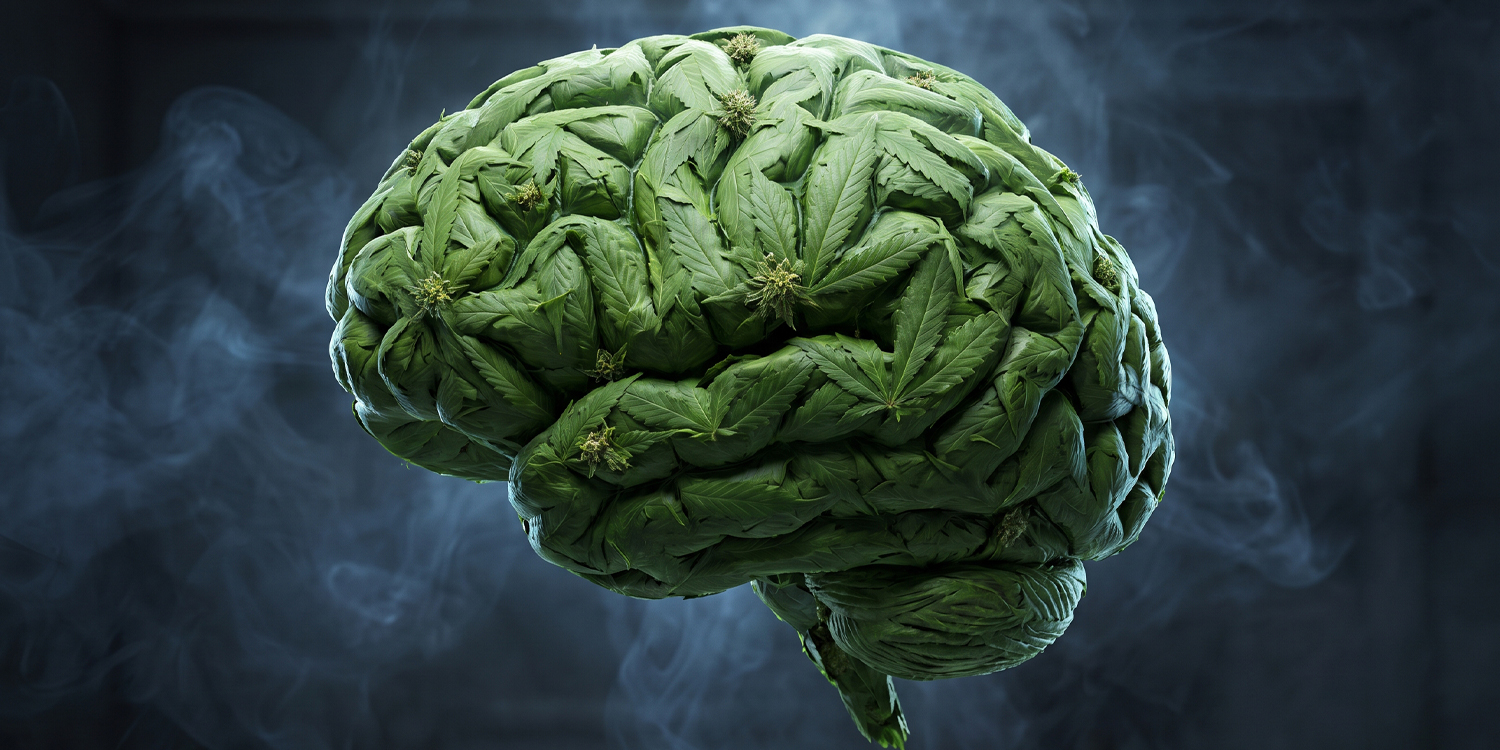
Recent research suggests that the use of cannabis may influence how the human brain processes nicotine. A study published in the International Journal of Neuropsychopharmacology reveals that non-daily cannabis use may make the effects of nicotine feel more unpleasant at higher doses, without necessarily altering the frequency of cannabis consumption.
The study, conducted at the Yale University School of Medicine, aimed to isolate the effects of nicotine by administering it intravenously to 60 regular smokers. Participants were divided into two groups: those who had recently used cannabis and those who had not in the past month. Intravenous nicotine doses were administered, and participants rated their subjective experiences on 100-point scales, assessing factors such as stimulatory feelings, pleasurable sensations, and aversive effects.
The results showed that cannabis-exposed participants reported stronger aversive feelings, particularly at higher nicotine doses, compared to those without recent cannabis exposure. This study provides valuable insights into the complex biological relationship between cannabis and nicotine, highlighting the need for further research in carefully controlled human laboratory settings.
Written by urgent.news from PsyPost's reporting — not their text. Machine-written — may contain errors; check the original before relying on it.