Building an On-Device AR Game With MediaPipe, PixiJS, and Capacitor
From a village in Zulia to the App Store: how an immigrant working construction in Zurich built AURADUEL, an on-device AR game for teens, for Shipaton 2026.
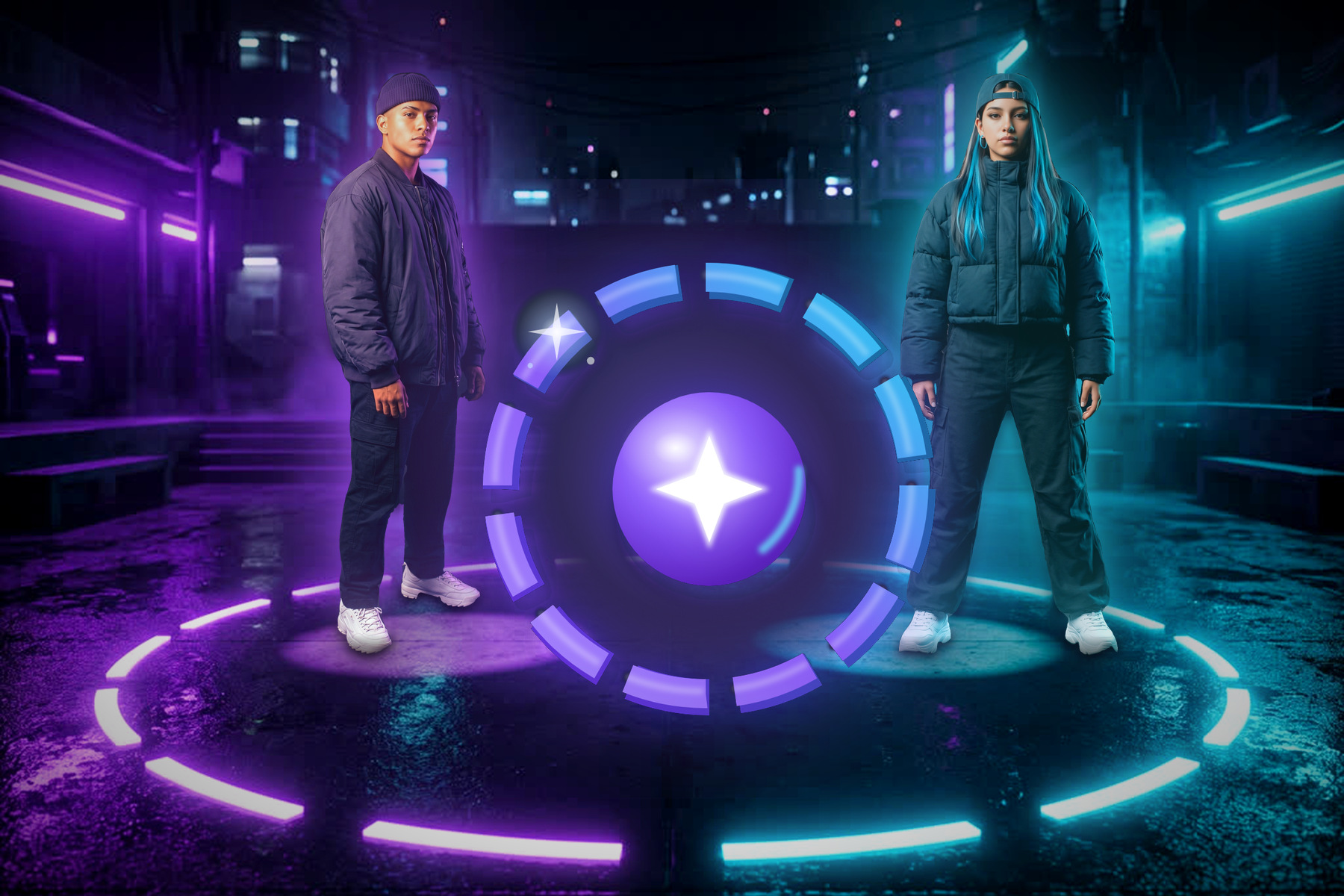
In 2026, Venezuelan national AURADUEL was developed to bring aura battles into a measurable sport through on-device AR, without humiliation and with the player's body in motion. The game's creator, who grew up in a remote village in Zulia, Venezuela, had a passion for technology and science from a young age. After graduating with degrees in Geology and completing a diploma in contemporary art photography, he became a Spanish citizen in 2025 and moved to Switzerland.
The inspiration for AURADUEL came from the popular aura farming trend on social media, which was born from bullying and fear of self-expression in children and teenagers. The game was designed to be a fun system that adds magic and spark, with a single rule that nobody loses in a humiliating way. Biometrics for gesture and pose are processed on the phone, with no data leaving the device.
The AR effects are drawn in real-time with PixiJS on top of the camera, and it is a Progressive Web App wrapped with Capacitor for iOS. The game follows strict rules, including paying never improving the result, no loot boxes, no vote buying, on-screen image consent before every battle, no open chat, and no livestream.
Written by urgent.news from HackerNoon's reporting — not their text. Machine-written — may contain errors; check the original before relying on it.