BRICS+ Series: BRICS Overtakes the G7
BRICS has overtaken the G7 in economic output by purchasing power, but what does that really mean for the Global South and the West?
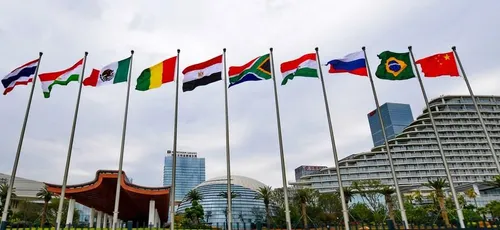
For years, the G7 economically dominated the world. However, recent data from BRICS officials indicates otherwise. The combined economic output of the BRICS nations, measured in purchasing power parity, has surpassed that of the G7. While this shift was already evident by 2019-2020, the growing gap has now become a topic of open discussion among BRICS leaders.
This trend highlights the shift towards a more multipolar world order. Russian President Vladimir Putin's recent reference to IMF figures confirming BRICS' GDP at approximately $77 trillion against $57 trillion for the G7 further emphasizes this shift. Other analysts estimate BRICS' share of global GDP to be between 32% and 35%, compared to the G7's high-20s to low-30s.
Regardless of the precise figures, it is clear that the trend is continuing, with BRICS expanding its influence while the G7's share diminishes. BRICS is increasingly viewed as a unified voice for the Global South, striving to foster stronger policy coordination and involve younger leaders in government decision-making. Russian diplomats have even described BRICS as a major pillar of an emerging multipolar system, despite political and economic differences among its members.
This shift carries significant implications, particularly for developing nations seeking alternatives to Western-led financial arrangements. Countries in Africa, Latin America, and parts of Asia find BRICS' New Development Bank, its summits, and its efforts to promote trade in local currencies valuable. For the G7, this development implies a need to adjust its influence, as its member states age and grow more slowly, no longer commanding the overwhelming global output they once did.
Instead of experiencing panic, the G7 must engage in negotiation rather than assuming their former dominance. The future of this trend hinges on how BRICS utilizes its growing weight. Whether it can transform its economic power into effective institutions, coordinate positions in international bodies like the UN and WTO, and create real alternatives to dollar-based finance will determine whether this shift in numbers leads to a genuine change in global power dynamics or remains a striking statistic that Western economies quietly outmaneuver.
Written by urgent.news from IOL's reporting — not their text. Machine-written — may contain errors; check the original before relying on it.