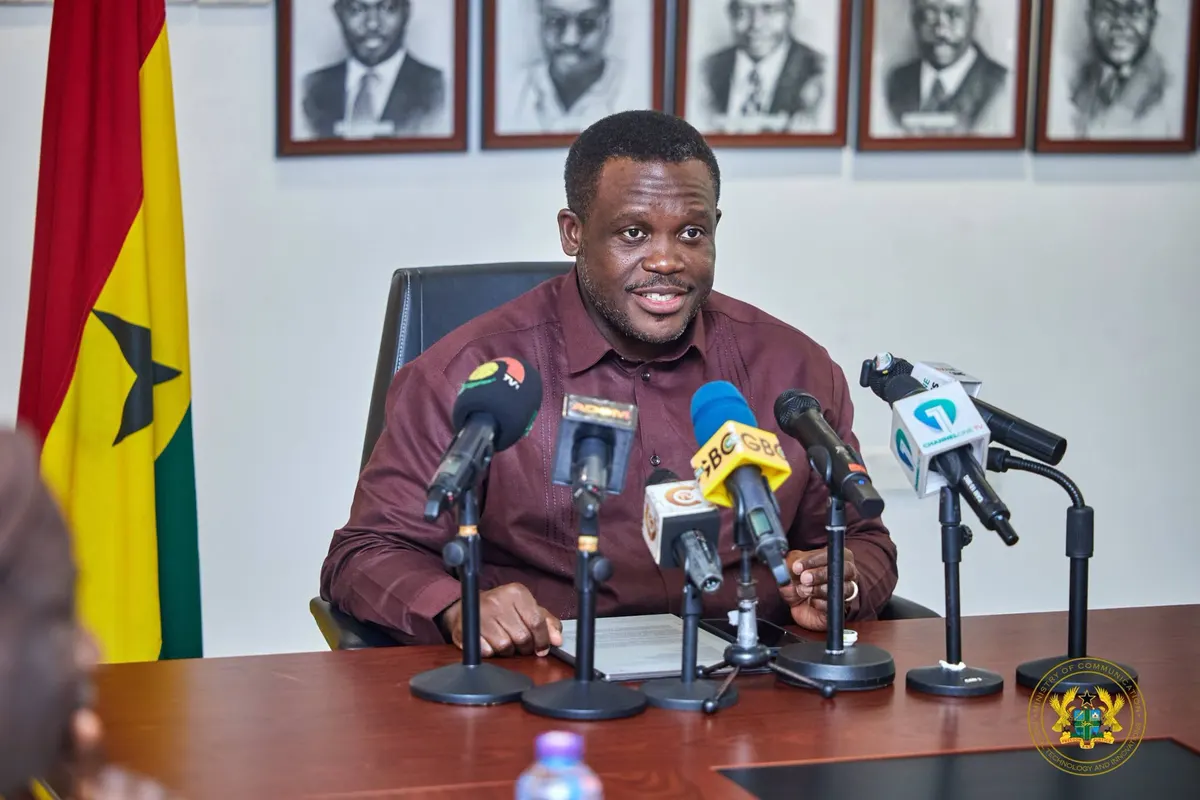
Asiedu Nketia says better government begins before election day
The character and effectiveness of a government are often determined long before an election is won or a minister is appointed, National Chairman of the National Democratic Congress (NDC), Johnson Asiedu Nketia, has argued. According to him, political parties have a critical responsibility to shape the quality of future governments through the people they recruit, […]
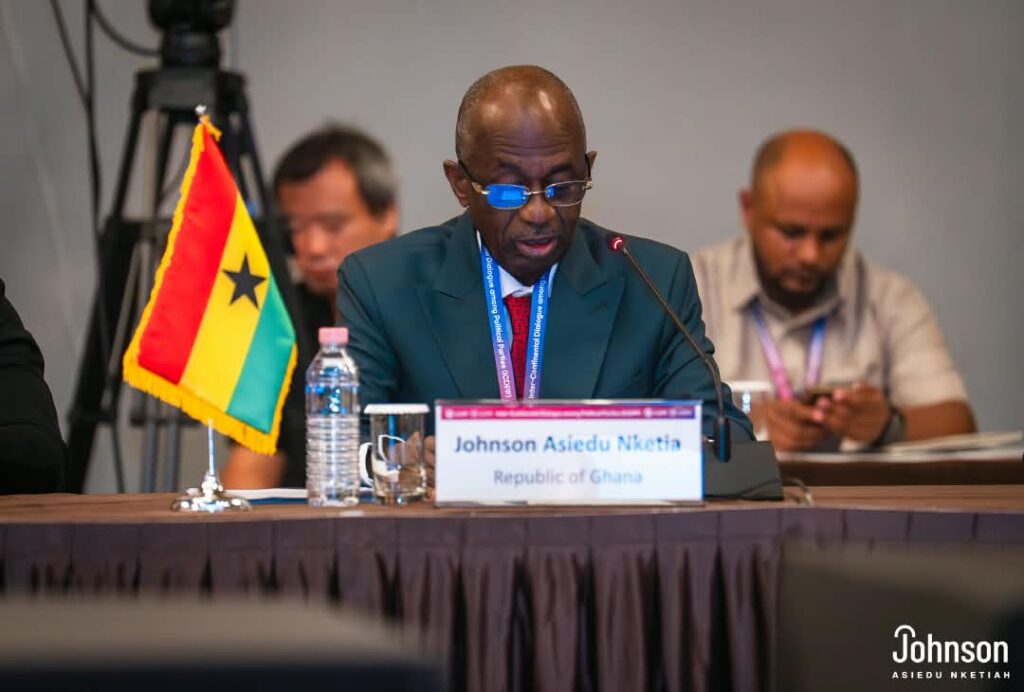
National Chairman of the National Democratic Congress, Johnson Asiedu Nketia, contends that the quality of a government is established well before an election occurs. In a speech at the inaugural Inter-Continental Dialogue on Political Parties in Seoul, South Korea, Nketia argued that political parties play a key role in shaping future governments by recruiting individuals with the right qualities, maintaining high standards, and fostering appropriate behaviors while in opposition.
Nketia challenged the notion that a government's worth can solely be evaluated once it assumes power, emphasizing that the traits and abilities required to govern effectively are often determined years prior to an election. He stated that while elections determine who holds political authority, they do not inherently provide the judgment, competence, or discipline necessary to exercise that authority effectively.
Instead, the habits and standards cultivated within political parties eventually manifest in government as ministers, legislators, and other appointees carry forward the values and approaches they developed during their political careers.
Nketia cautioned that political parties focusing primarily on winning elections without adequately preparing their members for governance may struggle once in office. He noted that campaigning demands organizational skills, persuasion, coalition-building, and political instinct, while governing requires decision-making, understanding of institutions, management of public resources, and dealing with consequences beyond partisan interests.
He emphasized that preparation for governance should commence years before electoral victory to avoid the pitfalls of inadequate leadership development.
The NDC chairman stressed the importance of a party's internal culture and the signals it sends to its members. Every political institution has an informal system of rewards, and members observe who rises through the ranks, what qualities attract recognition, and how competence coexists with political ambition. These signals eventually shape the culture of the organization.
Nketia warned that parties that reward visibility over substance, loyalty without judgment, or aggression without restraint risk reproducing these qualities within public office. In contrast, parties that encourage critical thinking, responsible disagreement, and the ability to handle challenging assignments can develop a more robust pool of leaders for future governments.
Nketia also cautioned against reducing political leadership development to the search for a single presidential or prime ministerial candidate. Effective governments require leadership depth across various sectors, including ministers knowledgeable about their specific portfolios, legislators capable of thorough scrutiny, advisers skilled at distinguishing political convenience from the public interest, and officials who can exercise sound judgment in difficult situations.
He argued that stronger political institutions are those capable of continuously producing competent individuals rather than repeatedly relying on the same limited group when positions of responsibility arise.
Nketia emphasized that the quality of political recruitment ultimately impacts the state's capacity, as public institutions remain dependent on the judgment and competence of those entrusted with leadership. While countries may introduce new laws, reforms, and administrative systems, these cannot fully compensate for weak leadership.
Conversely, capable individuals cannot indefinitely overcome institutional weaknesses if political organizations fail to prepare successors and foster a culture of responsible leadership. Nketia welcomed the Inter-Continental Dialogue and its focus on strengthening political parties to enhance governance.
Written by urgent.news from Adom Online's reporting — not their text. Machine-written — may contain errors; check the original before relying on it.