Analysis: Oil and gas reform accelerates, but will it boost production?
The revision to the Oil and Gas (Migas) Law is now being pushed through the House of Representatives at unusual speed, with lawmakers targeting completion by mid-October 2026 and hoping to conclude deliberations before the current sitting period ends. The pace is notable because the Migas Law revision was not originally included in this year’s national legislation program (Prolegnas), despite…
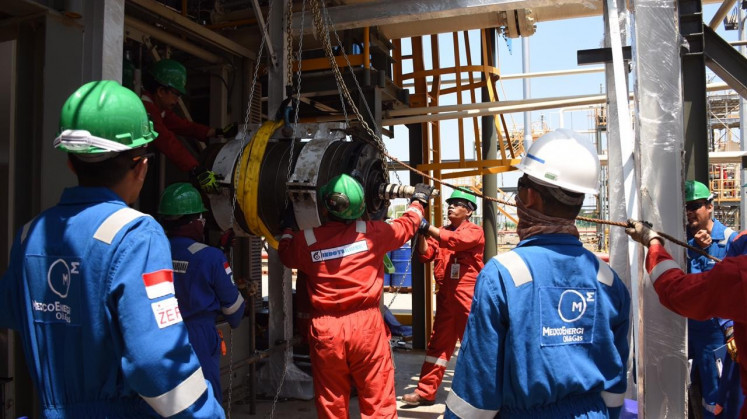
Indonesia's oil and gas sector is undergoing rapid reform, with the revision of the Oil and Gas (Migas) Law making swift progress through the House of Representatives. Scheduled for completion by mid-October 2026, lawmakers aim to finalize deliberations before the end of the current legislative term. The accelerated process is driven by changing global geopolitics and the need to bolster Indonesia's domestic energy supply.
However, the speed of the reform raises questions about its ability to realistically resolve the complex issues surrounding domestic production within such a compressed timeframe.
The case for reform has been growing, especially as the current administration has prioritized energy security. Over the past two decades, national oil production has plummeted from 1.2 million barrels per day (bpd) in the early 2000s to around 600,000 bpd in recent years. This decline has increased Indonesia's reliance on imported crude and fuel, making a revival of domestic production essential for securing the country's energy future.
Simultaneously, the investment landscape has become more challenging. Global oil prices have plummeted from $99 per barrel in 2014 to $44 in 2016, drastically diminishing the commercial viability of exploration and development projects. For Indonesia, where many fields are mature and costly to develop, this has further exacerbated the situation.
Fluctuating oil prices have added an additional layer of uncertainty to long-term planning for both companies and the government, making it difficult to balance investor certainty with the need for increased domestic production aligned with energy security goals.
The draft Migas Law revision proposes a significant institutional restructuring, creating a special oil and gas entity, BUK Migas, to assume the duties of the existing Upstream Oil and Gas Regulatory Task Force (SKK Migas). Under the proposed structure, BUK Migas would wield authority over nationwide work areas, manage upstream operations, and report directly to the President instead of through the Energy and Mineral Resources Ministry.
Advocates argue that this streamlined approach could reduce bureaucratic layers and expedite decision-making.
Written by urgent.news from The Jakarta Post's reporting — not their text. Machine-written — may contain errors; check the original before relying on it.