AMD and Intel Soared as Nvidia Lagged: Has the AI Trade Changed?
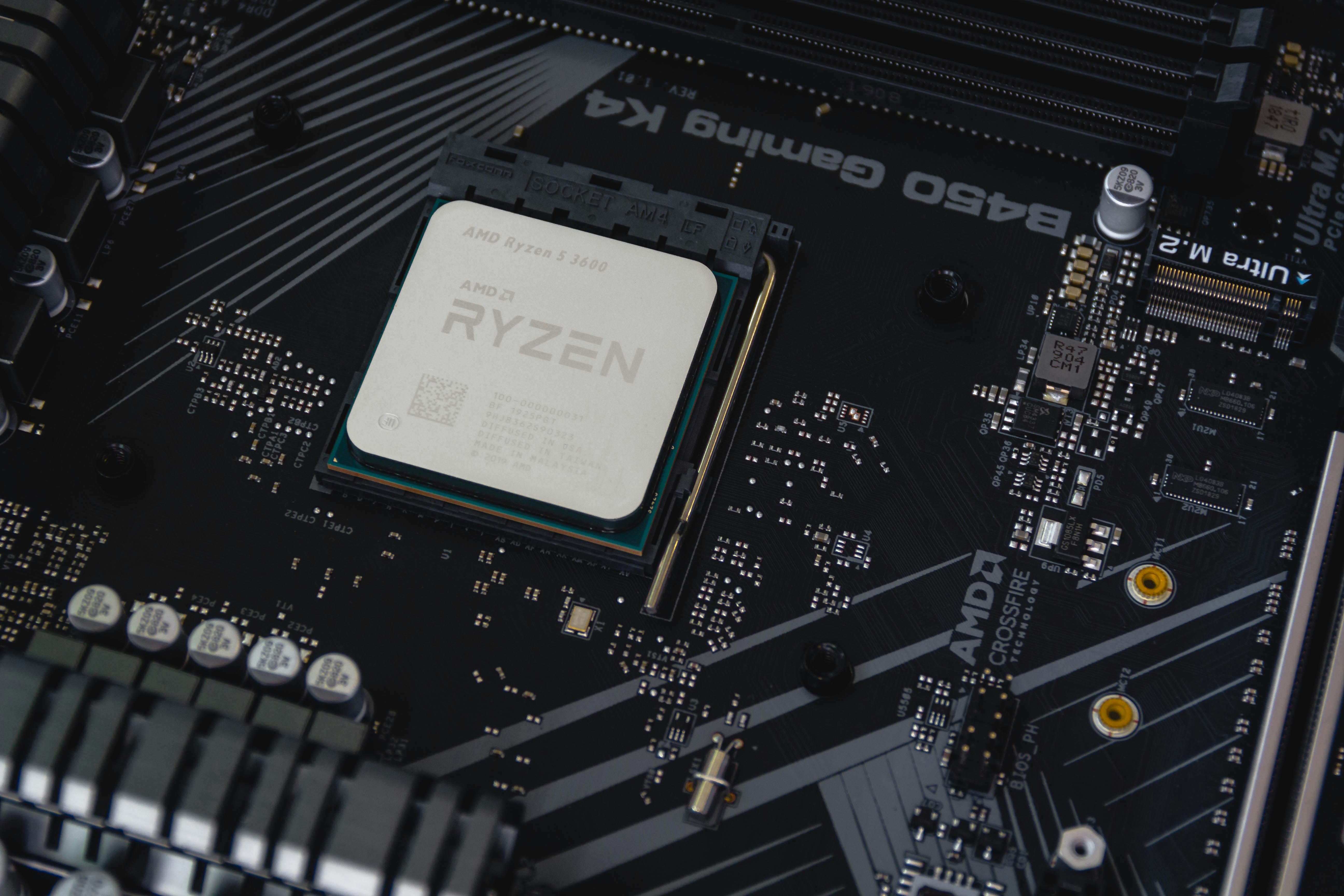
On September 4, AMD's stock rose 4.7% and Intel's increased 4.5%, while Nvidia only climbed 0.8%. This one-day disparity in stock performance highlights an ongoing shift in AI-related investments, although it does not provide insight into the motivations behind the moves. Advanced Micro Devices (AMD) and Intel both offer avenues for engaging in AI spending without relying on Nvidia's dominance.
AMD reported record revenue of $11.5 billion in Q2 2026, a 50% increase from the previous year, with Data Center segment accounting for 58% of the company's revenue. Their product lineup includes MI450 accelerators, sixth-generation EPYC processors, Helios rack-scale systems, and Pensando networking solutions. Investors are drawn to AMD due to its ability to provide a reliable alternative and enhance negotiating power for customers.
On the other side, analysts caution that software maturity, execution across a wide product roadmap, and the substantial capital investment required to challenge Nvidia's ecosystem could hinder AMD's growth. According to Insider Monkey's data, 164 hedge funds held AMD stock in Q2 2026, an increase from 134 in Q1 2026. Marshall Wace was among the notable investors, adding 3,898,210 shares (about 3% more than in Q1).
Intel also experienced a strong Q2 2026, with Data Center and AI revenue reaching $6.3 billion, a 59% increase year-over-year. The company's success is attributed to its resilient CPU business, custom silicon, advanced packaging, and a domestic foundry network. However, the challenge remains to turn these capabilities into acceptable returns on investment.
Intel generated $1.8 billion in GAAP operating income, but its $2.16 GAAP loss per share was largely due to a $12.5 billion noncash mark-to-market loss related to escrowed shares, raising concerns about capital efficiency.
In terms of hedge fund activity, 138 funds held Intel shares in Q2 2026, up from 112 in Q1 2026. AQR Capital Management, for example, reported 10,742,567 shares after reducing its position by approximately 6% from the previous quarter. The Q2 2026 database shows that there are still about 2.6% to 3.0% of shares available for short selling, which suggests that the market is not overly concentrated in short positions.
Despite the rally on September 4, the ultimate success of AMD and Intel will depend on their ability to deliver deployments that validate a more diverse supply chain and secure profitable margins. While both companies may capture portions of the expanding AI market, the decisive evidence will come from actual shipments, margins, and free cash flow.
Written by urgent.news from Yahoo Finance's reporting — not their text. Machine-written — may contain errors; check the original before relying on it.