AI titans’ ‘circular deals’ are starting to look like ‘daisy chains’
The “circular deals” among AI titans increasingly resemble the “daisy chains” of the 1980s savings-and-loan crisis. Forty years ago, interconnected transactions obscured the dangers, multiplied systemic risks and helped inflate asset values before roughly a third of US thrift banks failed. Today’s financial engineering – an incestuous ecosystem of interlocking multi-year commitments to provide…
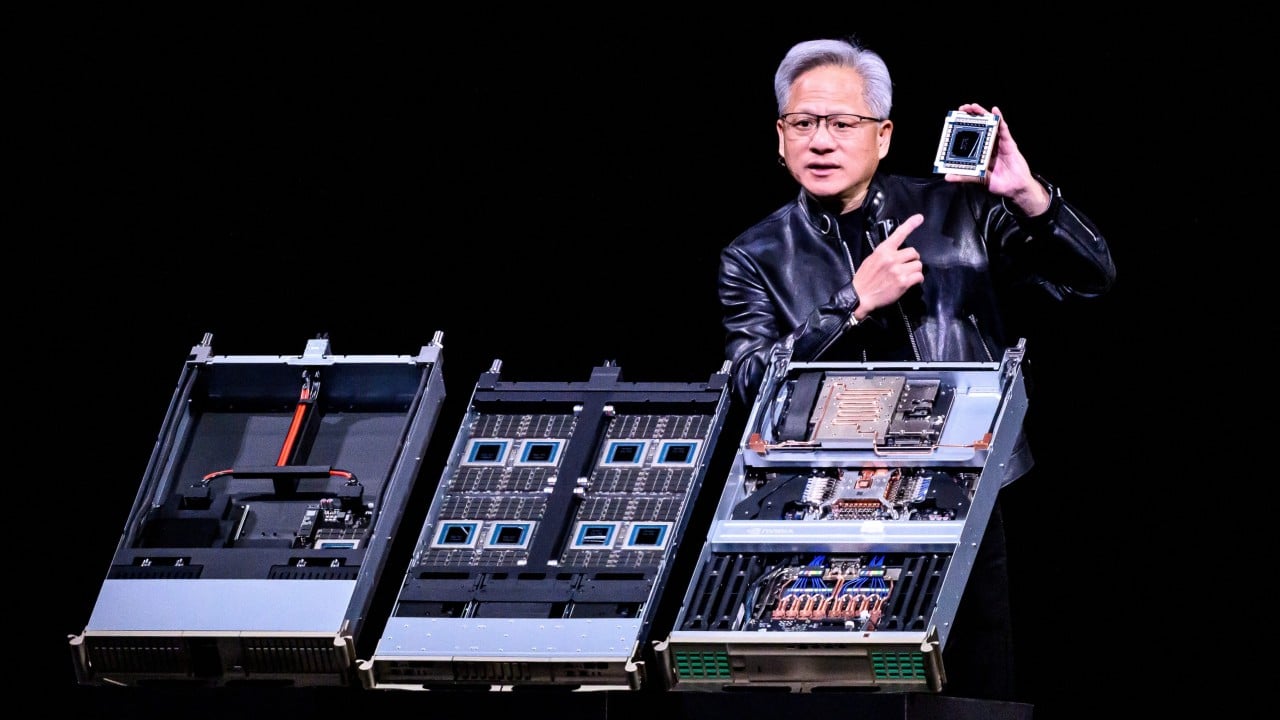
The AI industry is witnessing a new breed of "circular deals" that bear resemblance to the "daisy chains" that led to the 1980s savings-and-loan crisis. These interconnected deals among AI giants, such as OpenAI, Anthropic and xAI, involve multi-year commitments to provide financing, purchase semiconductors, secure gigawatts of power and lease data centers.
This web of financial arrangements is raising concerns that the industry could face a similar fate if revenue fails to exceed costs or an unforeseen event erodes AI growth. OpenAI has struck deals with Nvidia, CoreWeave and others ahead of its IPO, while Anthropic and xAI have pursued similar agreements. The US$35 billion cloud-computing deal between Anthropic and Lambda, and the US$45 billion arrangement between Anthropic and Nscale, are recent examples.
Nvidia, involved in over US$750 billion worth of AI investments, financing deals and partnerships, is a key player in these circular deals. The AI industry's growth is unprecedented, with demand from AI labs receiving Nvidia financial support accounting for roughly a quarter of the company's business next year. However, hidden risks are colliding with a borrowing spree, with the five largest hyperscalers carrying roughly US$1.65 trillion in debt.
The circular nature of these deals can blur where risk sits and concentrate it unevenly across the chain, potentially turning one company's losses into another's impaired investment or stranded asset. While Nvidia's president and CEO, Jensen Huang, claims the deals are not circular, the industry's interconnectedness, leverage, interdependent counterparties and mutually validating assumptions could transform an unexpected setback into something much larger.
Written by urgent.news from South China Morning Post's reporting — not their text. Machine-written — may contain errors; check the original before relying on it.