AI may soon help humans talk to animals and birds
Artificial intelligence may soon enable humans to communicate with animals. Researchers are cataloguing and reproducing animal sounds using machine learning models. This technology raises ethical questions about animal privacy and potential misuse. Understanding animal signals could lead to manipulation and distress for wildlife. The pursuit of animal communication continues despite these…
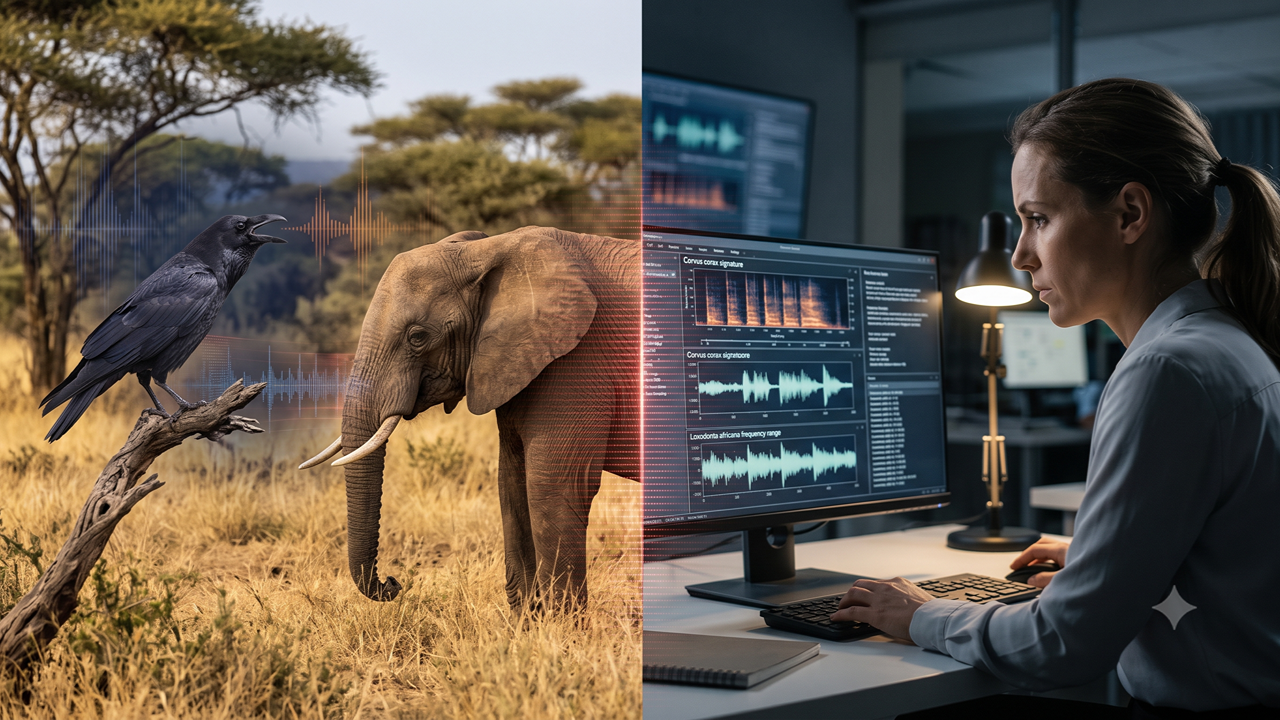
Artificial Intelligence (AI) may soon enable communication between humans and animals, according to researchers exploring machine learning applications in animal communication studies. While this breakthrough could revolutionize our understanding of animal behavior, it also raises ethical concerns regarding the privacy and well-being of non-human species.
Machine learning models are assisting researchers in cataloguing and interpreting animal sounds, identifying patterns that are challenging to discern manually. Biologist Vittorio Baglione, who has studied carrion crow calls using AI, noted the model's ability to detect common features in different calls. One such call, described as "Hey! Come help!", serves as an urgent summons for crows to defend their nests.
However, this newfound ability to interpret animal communication could also be exploited for malicious purposes. For instance, recorded animal calls could be played back in the wild to manipulate animal behavior or disrupt their social environments. Researchers warn that this "playback" technology could distress or harm animals, as evidenced by a 2007 incident where zoologist Katy Payne stressed an elephant with a recording of its deceased grandfather's voice.
The ethical dilemma surrounding animal communication technology is further complicated by the potential for humans to weaponize this knowledge. A 2025 report by More-Than-Human Life (MOTH) Program director César Rodríguez-Garavito highlighted the risk of animals being exposed to large numbers of humans seeking communication or being weaponized by malicious actors.
Previous playback experiments have demonstrated the distressing effects of artificial calls on animals, underscoring the need for responsible development and application of this technology.
Despite these concerns, researchers and technology developers persist in pursuing AI-powered animal communication systems. A $10 million prize offered by private equity billionaire Jeremy Coller aims to establish such communication within the next decade, with confidence that AI will "crack the code" before 2030. The potential implications of this technology are far-reaching, potentially altering our understanding of animal communication while also prompting researchers to consider the ethical implications of using information animals may never have intended to share.
Written by urgent.news from Times of India's reporting — not their text. Machine-written — may contain errors; check the original before relying on it.