AI boom pushes tech giants to cut data centres’ thirst for water
NEW YORK, Sept 7 — Data centres are running into a wall of public anger in the United States over their thirst for...
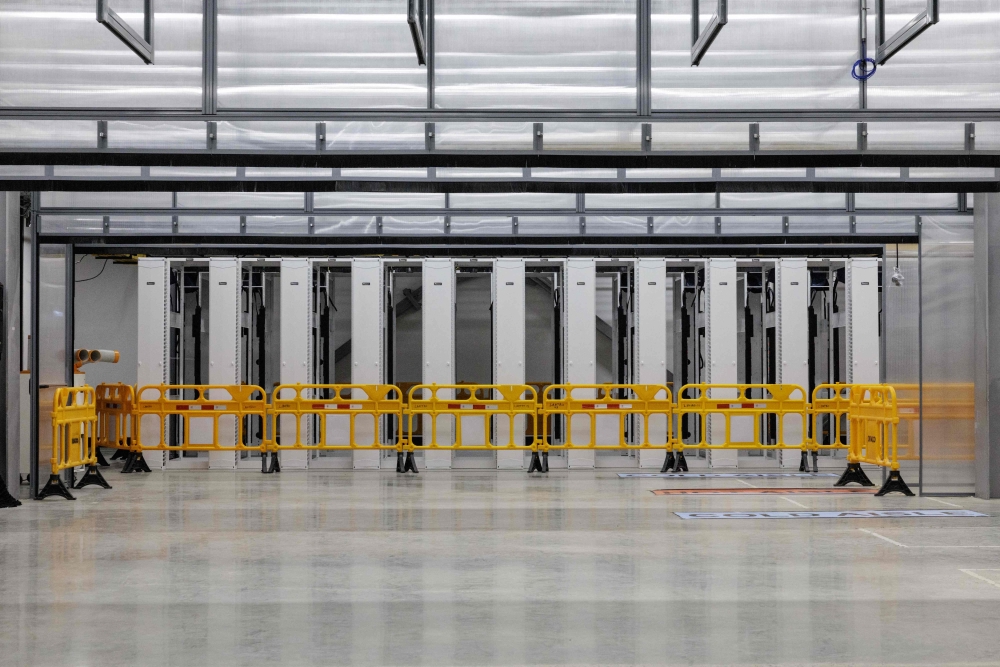
Data centers, the massive computer facilities powering the internet and artificial intelligence, are facing growing public pressure in the United States over their soaring demand for water and energy. These vast warehouses of servers generate substantial heat, which requires significant cooling through water usage.
Industry leaders like Nvidia are claiming to drastically reduce water consumption in some facilities through advanced closed-loop cooling systems. By employing liquid flow directly through servers, Nvidia claims water use can be nearly eliminated, though this approach presents a trade-off with increased energy consumption for temperature control. Nvidia's solution involves operating the liquid at higher temperatures (45°C) compared to the industry norm (32°C), reducing the need for constant air cooling.
Major tech players such as Microsoft, Amazon Web Services (AWS), and Meta have also adopted closed-loop systems, claiming no net water loss. Despite reports of improving water use efficiency, the lack of industry-wide consistency in ESG reporting presents challenges in tracking progress.
The push to reduce water consumption in data centers is driven in part by public relations concerns, as backlash against these facilities grows across the United States. However, upgrading older, less efficient data centers to newer technology can be costly. Additionally, hidden water usage in electricity generation and chip manufacturing can double the water consumption directly attributed to data centers, making the challenge even more complex.
Written by urgent.news from Malay Mail's reporting — not their text. Machine-written — may contain errors; check the original before relying on it.
This story
This is one outlet's version. Read the fullest account.
- AI data centers are less thirsty now, tech giants say economictimes.indiatimes.com
- AI data centres are less thirsty now, say tech giants freemalaysiatoday.com
- Can tech giants curb AI data centres’ growing thirst for water? euronews.com